
Kinship Across the Strait: Why Over Two Million Malaysians Are Exploring Indonesia Ahead of a 70-Year Milestone
As bilateral trade tops US$34.22 billion and investments hit US$4.5 billion, more than two million Malaysian travelers cross into Indonesia, forging a modern cultural bridge ahead of the 2027 diplomatic anniversary.

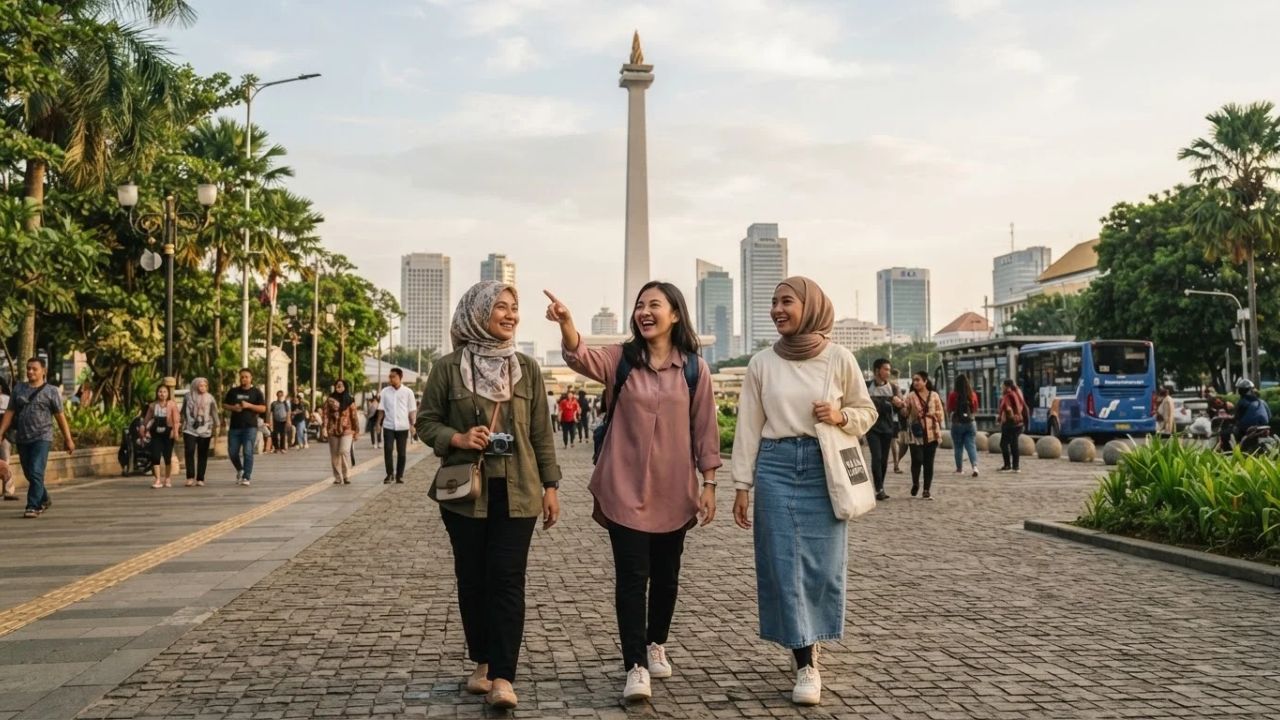
Centuries of shared Austronesian kinship and modern air connectivity fuel record travel between Malaysia and Indonesia
More than two million Malaysian voyagers crossed the Malacca Strait to explore Indonesia in 2025 alone, transforming neighboring borders into the most active corridor of cultural exchange anywhere in Southeast Asia. Announced during a high-profile Malaysia Day celebration hosted by the Embassy of Malaysia in Jakarta, this travel influx coincides with monumental bilateral milestones: two-way trade between the two maritime giants reached US$34.22 billion in 2025, while Malaysia solidified its role as Indonesia's fourth-largest foreign investor with capital commitments touching US$4.5 billion. As both sovereign neighbors prepare to commemorate seventy years of official diplomatic relations in 2027, the connection binding them transcends diplomatic communiqués. It represents an organic homecoming driven by Serumpun—a shared Austronesian cultural ancestry, mutually intelligible national languages, and centuries of maritime commerce.
The sheer volume of movement is altering regional hospitality across the Indonesian archipelago. While Western travelers frequently limit their Indonesian vacations to the southern beaches of Bali, Malaysian voyagers are fanning out into secondary highlands and ancestral homelands. From the volcanic tea plateaus of Bandung and the royal Javanese courts of Yogyakarta to the matrilineal Minangkabau highlands of West Sumatra and the crater rim of Lake Toba in North Sumatra, travelers are rediscovering shared historical roots through food, textile arts, and family heritage.
The Diplomatic Bridge: Seventy Years of Shared Heritage and Economic Momentum
The upcoming 70-year diplomatic milestone in 2027 marks seven decades since formal ties were established following Malaya’s independence, but the formal frameworks anchoring this friendship have deep institutional roots. At the Jakarta gathering attended by Malaysia's Chargé d’Affaires Farzamie Sarkawi, Ambassador-designate Datuk Muzaffar Shah Mustafa, and senior Indonesian cabinet members—including Higher Education, Science and Technology Minister Brian Yuliarto, Coordinating Minister for Law, Human Rights, Immigration and Corrections Yusril Ihza Mahendra, and Home Affairs Minister Muhammad Tito Karnavian—officials highlighted how people-to-people movement serves as the true foundation of regional stability.
Education and intellectual exchange have formed the bedrock of this bilateral relationship since the landmark joint agreement on education and culture signed in 1972. For over half a century, tens of thousands of university scholars, researchers, and religious students have crossed the strait to study in Bandung, Yogyakarta, Kuala Lumpur, and Penang. This intellectual circulation has created an enduring familiarity: Malaysians feel completely at ease navigating Indonesian transport, ordering at street food stalls (warungs), and interacting with local craftspeople.
Within the broader ASEAN architecture, the partnership between Kuala Lumpur and Jakarta represents an economic anchor for over 680 million Southeast Asians. Bilateral investments spanning sustainable agriculture, renewable energy, digital commerce, and modern light rail systems ensure that commercial ties reinforce tourism mobility. As regional airlines operate dozens of daily non-stop flights connecting Kuala Lumpur, Penang, and Johor Bahru directly to Jakarta, Medan, Surabaya, and Banda Aceh, visiting a neighboring country has become as effortless as domestic weekend travel.
What Makes the Archipelagic Corridors Different: Beyond the Tourist Brochure
The travel experience linking Malaysia and Indonesia is defined by profound cultural nuances that generic international guidebooks routinely overlook. In West Java, the mountain city of Bandung—just forty-five minutes from Jakarta aboard the high-speed rail line—has emerged as a beloved weekend escape for Malaysian families. Perched 768 metres above sea level amidst tea plantations, Bandung combines cool mountain air with factory outlet shopping, Dutch colonial Art Deco architecture along Jalan Braga, and Sundanese culinary feasts featuring grilled gourami fish, spicy sambal dadak, and fragrant nasi timbel wrapped in steamed banana leaves.
In Central Java, Yogyakarta serves as the spiritual heart of Javanese classical culture. Surrounded by volcanic peaks, the city preserves traditional court rituals at the Kraton palace alongside monument complexes inscribed under the UNESCO World Heritage Centre, including the 9th-century Buddhist pyramids of Borobudur and the towering Hindu spires of Prambanan. Malaysian visitors are drawn to Yogyakarta's living craft districts, where master artisans hand-draw intricate natural-dye wax batik patterns that share ancestral motifs with Malaysian Terengganu and Kelantan textiles.
Further northwest across Sumatra, the cultural connections become even more intimate. In West Sumatra, the curved buffalo-horn roofs of Minangkabau ancestral homes (Rumah Gadang) in Bukittinggi mirror the traditional architecture of Negeri Sembilan in Peninsular Malaysia, whose early settlers crossed the strait centuries ago. Here, food is an art form; tasting authentic rendang Minang—slow-cooked in rich coconut milk and wild mountain herbs for eight hours until dark and intensely savory—offers travelers a profound encounter with the original source of the region's most celebrated celebratory dish.
Visitor Insider Tips: Navigating the Indonesian Archipelago Like a Local
- Ride the Whoosh High-Speed Rail to Bandung: When arriving at Soekarno-Hatta International Airport in Jakarta, bypass the notorious roadway traffic jams (macet) on the tollway to Bandung. Take the airport train into central Jakarta and board the Whoosh bullet train at Halim Station. Reaching speeds of 350 kilometres per hour, the train whisks you through lush volcanic river valleys and rice paddies to Padalarang/Bandung in just forty-five minutes.
- Master Digital Electronic Customs Declarations (ECD): Complete Indonesia’s mandatory electronic customs declaration (e-CD) on your smartphone within three days prior to arrival. Upon landing at international terminals in Jakarta, Bali, or Medan, simply scan your generated QR code at customs gates to breeze through arrivals without paperwork delays.
- Explore Lake Toba via Silangit International Airport: Rather than enduring a grueling six-hour overland taxi journey from Medan to Lake Toba, book a direct domestic flight to Silangit Airport (DTB). From Silangit, you reach the southern shores of the world's largest volcanic caldera lake in under an hour. Base yourself on Samosir Island in Tuk Tuk, where you can rent a scooter to tour traditional Batak wooden villages and swim in pure volcanic waters.
- Respect Local Etiquette in Cultural and Sacred Sites: When visiting sacred Islamic sites, such as the grand mosques of Banda Aceh or Demak, dress conservatively with legs and shoulders covered, and remove shoes at outer marble borders. When visiting Hindu temples in Bali or historical ruins in Yogyakarta, wear a traditional waist sash (selendang) and respect areas cordoned off for active community prayer.
- Consult Official Portals for Regional Festivals: Keep updated on regional cultural celebrations and travel protocols by visiting Wonderful Indonesia and Tourism Malaysia. Planning visits around cultural festivals like the Borobudur Cultural Feast or the Lake Toba Festival ensures rich encounters with traditional music, dance, and culinary heritage.
Cultural and Environmental Context: Sustainable Stewardship in Shared Waters
The surge of more than two million annual travelers across the Malacca Strait underscores the vital necessity of collaborative environmental protection. The marine ecosystems connecting Peninsular Malaysia, Sumatra, and Java encompass vital mangrove wetlands, delicate coral reef corridors, and crucial transit zones for endangered sea turtles, dugongs, and migratory marine life. Increased ferry movements and coastal resort developments have prompted joint conservation initiatives aimed at reducing maritime plastic runoff, regulating vessel discharge, and restoring coastal mangrove forests that shield fishing villages from storm surges.
In highland ecosystems like Mount Merapi in Java and the tropical rainforests surrounding Lake Toba, community-based tourism is proving vital in preventing deforestation and wildlife poaching. By patronizing local homestays on Samosir Island, hiring indigenous Batak and Sundanese guides, and purchasing certified hand-woven ulos textiles, international visitors ensure that tourism revenue flows directly into village households rather than absentee corporate developers.
Cultural tourism between Malaysia and Indonesia also plays an essential diplomatic role in transcending occasional social media rivalries over culinary origins or folk dances. When citizens travel, break bread together, and explore ancestral villages, they realize that cultural traditions are not static national possessions to be fiercely guarded, but a shared regional inheritance that enriches the entire Southeast Asian family.
FAQ: Traveling Between Malaysia and Indonesia 2026
Do Malaysian passport holders need a visa to travel to Indonesia? No. Under ASEAN visa-exemption agreements, Malaysian citizens can enter Indonesia visa-free for tourist stays of up to 30 days. Travelers must have at least six months of passport validity.
What is the fastest way to travel from Kuala Lumpur to Sumatra? Commercial non-stop flights from Kuala Lumpur International Airport (KUL) reach Kualanamu International Airport in Medan in just 55 minutes, or Padang in West Sumatra in approximately one hour.
Are credit cards and digital payments widely accepted across Indonesia? Major hotels, shopping malls, and restaurants in Jakarta, Bandung, and Yogyakarta accept international credit cards. For rural markets, warungs, and local transport, carry local Indonesian rupiah (IDR) cash or utilize regional QR code payments.
When is the best season to explore Indonesia's cultural heartlands? The dry season from May to September offers optimal travel conditions, featuring sunny days, lower humidity, and minimal rainfall across Java, Sumatra, and Bali, perfect for temple exploration and highland trekking.
Across the gentle swell of the Malacca Strait, two million travelers prove each year that borders cannot divide what centuries of shared culture have woven together.
Related Travel Guides
Disclaimer
This article is for informational and educational purposes only. It does not constitute legal, financial, or professional advice. While we strive to provide accurate and up-to-date information, travel policies, regulations, and conditions change rapidly. Always verify information with official sources before making travel decisions. Nomad Lawyer makes no representations about the accuracy, reliability, completeness, or suitability of the information provided. Readers should consult qualified professionals for advice specific to their circumstances. The views expressed in this article are those of the author and do not necessarily reflect the views of Nomad Lawyer.
Raushan Kumar
Founder & Lead Developer
Full-stack developer with 11+ years of experience and a passionate traveller. Raushan built Nomad Lawyer from the ground up with a vision to create the best travel and law experience on the web.
Learn more about our team →