
Madrid and 50 Spanish Cities Mobilize Over Housing Crisis: Rent Surges, Eviction Protections, and Urban Travel Impacts
With Spanish residential rents doubling over ten years, protests erupt across 50 cities following the defeat of tenant protection decrees in parliament.

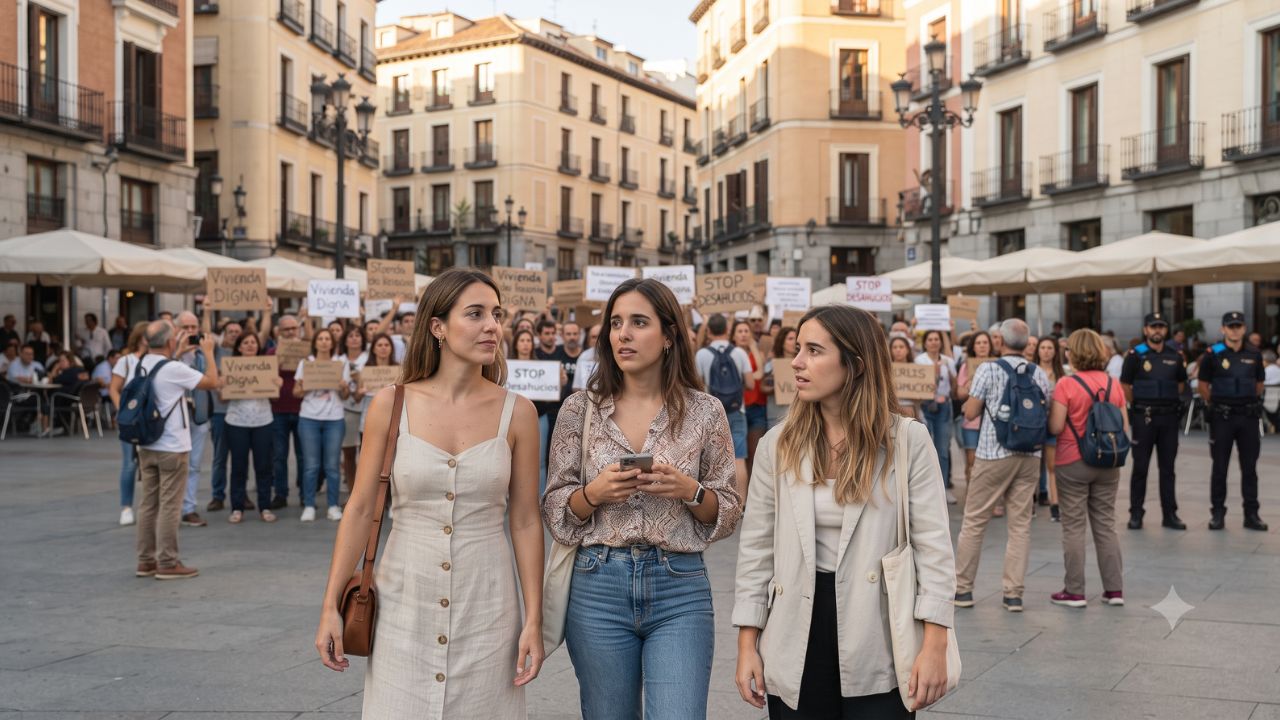
With average residential rents across Spain almost doubling over the past decade and property asking prices surging by 90 percent, demonstrators mobilized across more than 50 Spanish cities on 3 October 2026 following parliament's rejection of two major tenant protection decrees. In Madrid, thousands of residents gathered around Puerta del Sol and marched down Calle de Alcalá toward Plaza de Cibeles, turning neighborhood anger over soaring housing costs and evictions into a national movement for structural urban reform.
The demonstrations intensified after lawmakers defeated government-backed housing measures on Friday that sought to suspend evictions for vulnerable families lacking alternative shelter, regulate short-term room rentals, and restrict speculative real estate acquisitions by corporate investment funds.
While the civic marches reflect deep domestic cost-of-living pressures shared across European capitals from Lisbon to Amsterdam, international travelers in Madrid can easily navigate the city center by staying informed about public transport diversions and pedestrian flows through information provided by the Spain Official Tourism Portal.
The Affordability Divide: Why Housing Pressure Spreads Across Spain
Spain's housing dispute is rooted in a ten-year structural divergence between household wage growth and residential real estate inflation. In major economic and cultural epicenters—including Madrid, Barcelona, Valencia, Málaga, Palma de Mallorca, and Seville—the conversion of residential housing stock into temporary short-term accommodation has severely reduced long-term rental inventory.
SPAIN & EUROPEAN HOUSING COST PRESSURE MATRIX
| Market / Metric | 10-Year Trend Change | Primary Structural Impact |
|---|---|---|
| Average Rental | +100% Increase | Severe affordability squeeze |
| Rates in Spain | (Almost Doubled) | on working families & youth |
| Property Purchase | +90% Rise in | Barrier to homeownership; |
| Asking Prices | Listing Valuations | corporate portfolio buyouts |
| Madrid Protest | Puerta del Sol & | Temporary transit rerouting |
| Convergence Hubs | Plaza de Cibeles | along Calle de Alcalá axis |
| Parallel European | Lisbon, Amsterdam, | Continent-wide metropolitan |
| Housing Actions | Milan, & Prague | tenant rights mobilization |
The political debate gained widespread attention following the high-profile case of an elderly Madrid resident who faced eviction after living in the same apartment for nearly seven decades due to an ownership change and a demand for steep rent increases. Although a negotiated settlement permitted her to remain at a reduced rent, the case became an enduring symbol for tenant rights organizations demanding legal protections against rapid displacement.
Regional Realities: How Major Spanish Cities Experience Housing Shifts
The housing challenge presents distinct localized dynamics across Spain's premier urban destinations:
Madrid: Historic Plazas and Neighborhood Mobilization
In Madrid, demonstrations concentrate around major landmarks, including Puerta del Sol, Gran Vía, and Plaza de Cibeles. The area borders the UNESCO World Heritage Centre inscribed Paseo del Prado and Buen Retiro, celebrated for its grand neoclassical museums and historic green promenades. While marchers pass through these corridors, city museums (including the Prado and Reina Sofía) continue standard daytime operations.
Barcelona and the Mediterranean Coast
In Catalonia, municipal authorities have already committed to ending all 10,000 legal tourist apartment permits by 2028. In Valencia and Málaga, local councils face mounting civic calls to freeze short-term rental registrations in historic quarters where rental inflation has exceeded 20 percent.
The European Context: From Lisbon to Amsterdam
Spain's demonstrations mirror parallel movements across major European metropolitan centers:
- Lisbon: Protests over "golden visas" and holiday rentals pricing out long-term Portuguese residents.
- Amsterdam: A long history of civic housing activism, including massive rallies in 2021 against severe urban housing deficits.
- Milan and Prague: Rising living costs and rental rates challenging student and hospitality worker housing.
Central Madrid Transit and Route Comparison
| Route / Corridor | Normal Transit Option | Protest Day Operational Status | Recommended Workaround |
|---|---|---|---|
| Puerta del Sol to Cibeles | Surface walking / Bus Lines | Heavy pedestrian congestion | Use underground Metro Line 1 & Line 2 |
| Atocha Train Station to Gran Vía | EMT City Buses (Lines 001, 14, 27) | Surface road diversions on Alcalá | Take Cercanías commuter train to Sol/Recoleto |
| Barajas Airport (MAD) to Central | Line 8 Metro to Nuevos Ministerios | 100% Normal Underground Operations | Connect via Cercanías C-1 / C-10 train |
| Prado Museum to Retiro Park | Walking via Paseo del Prado | Open; minor perimeter crowds | Use pedestrian paths through Retiro Park gates |
Visitor Insider Tips
Navigating Madrid comfortably during civic demonstrations requires simple local awareness:
- Rely on Underground Rail via Metro de Madrid: Surface bus routes crossing Plaza de Cibeles and Gran Vía experience temporary detours during large marches. Use the extensive Metro de Madrid Official Transit Portal network; underground stations like Sol, Gran Vía, and Banco de España remain fully operational.
- Plan Monument Visits Outside Peak Demonstration Hours: Marches typically assemble in late afternoon (around 17:00 to 19:00). Schedule visits to the Royal Palace or Thyssen-Bornemisza Museum during morning hours between 09:30 AM and 13:00 PM.
- Explore Neighborhood Quarters Away from the Central Axis: Spend time in quieter residential quarters like Chamberí, Salamanca, or Madrid Río. These districts offer traditional tapas bars, tree-lined avenues, and artisanal bakeries free from central crowds.
- Support Local Neighborhood Tabernas: Patronize independent, family-owned tabernas in La Latina and Lavapiés. Ordering traditional dishes like Cocido Madrileño or Tortilla de Patatas supports generational merchants who form the social bedrock of Madrid's neighborhoods.
- Allow Extra Buffer Time for Train Connections: If departing from Atocha or Chamartín railway stations on high-speed AVE trains, leave your central hotel at least 45 minutes earlier to ensure smooth transit connections.
Cultural and Environmental Context
Civic demonstrations in Spain are a peaceful, democratic expression of neighborhood solidarity (vecindad). Madrid's cultural identity has always been rooted in its open public squares, where citizens gather to debate civic life, express community identity, and protect the social character of their historic quarters.
Sustainable tourism in Spain increasingly requires travelers to acknowledge the balance between visitor hospitality and resident well-being. By choosing registered hotels over unvetted short-term holiday flats, respecting residential neighborhood quiet hours, using electrified metro transit, and shopping at municipal neighborhood markets (mercados municipales), travelers contribute constructively to the preservation of authentic Spanish urban life.
FAQ: Visiting Madrid During Civic Demonstrations 2026
Are the Madrid housing protests dangerous for tourists?
No. The demonstrations are peaceful civic marches focused on rental affordability and tenant security. Travelers simply need to plan around temporary street diversions.
Are Madrid's Metro and public transit lines open during protests?
Yes. The underground Metro de Madrid network operates on regular schedules, providing the fastest way to move beneath crowded surface streets.
Why are rents rising sharply in Spanish cities?
Average rents have nearly doubled over ten years due to limited residential housing construction, strong population demand, and the conversion of long-term leases into short-term tourist lets.
Are major museums like the Prado and Reina Sofía open?
Yes. National museums and cultural monuments in Madrid maintain standard opening hours during weekend demonstrations.
By choosing subterranean transit, exploring historic residential quarters with cultural respect, and savoring local culinary traditions, travelers experience Madrid's enduring warmth and vibrant civic spirit.
Related Travel Guides
Disclaimer
This article is for informational and educational purposes only. It does not constitute legal, financial, or professional advice. While we strive to provide accurate and up-to-date information, travel policies, regulations, and conditions change rapidly. Always verify information with official sources before making travel decisions. Nomad Lawyer makes no representations about the accuracy, reliability, completeness, or suitability of the information provided. Readers should consult qualified professionals for advice specific to their circumstances. The views expressed in this article are those of the author and do not necessarily reflect the views of Nomad Lawyer.
Raushan Kumar
Founder & Lead Developer
Full-stack developer with 11+ years of experience and a passionate traveller. Raushan built Nomad Lawyer from the ground up with a vision to create the best travel and law experience on the web.
Learn more about our team →