Madrid Joins London, Berlin and More as Pride Celebrations Boost European City Tourism: All You Need to Know

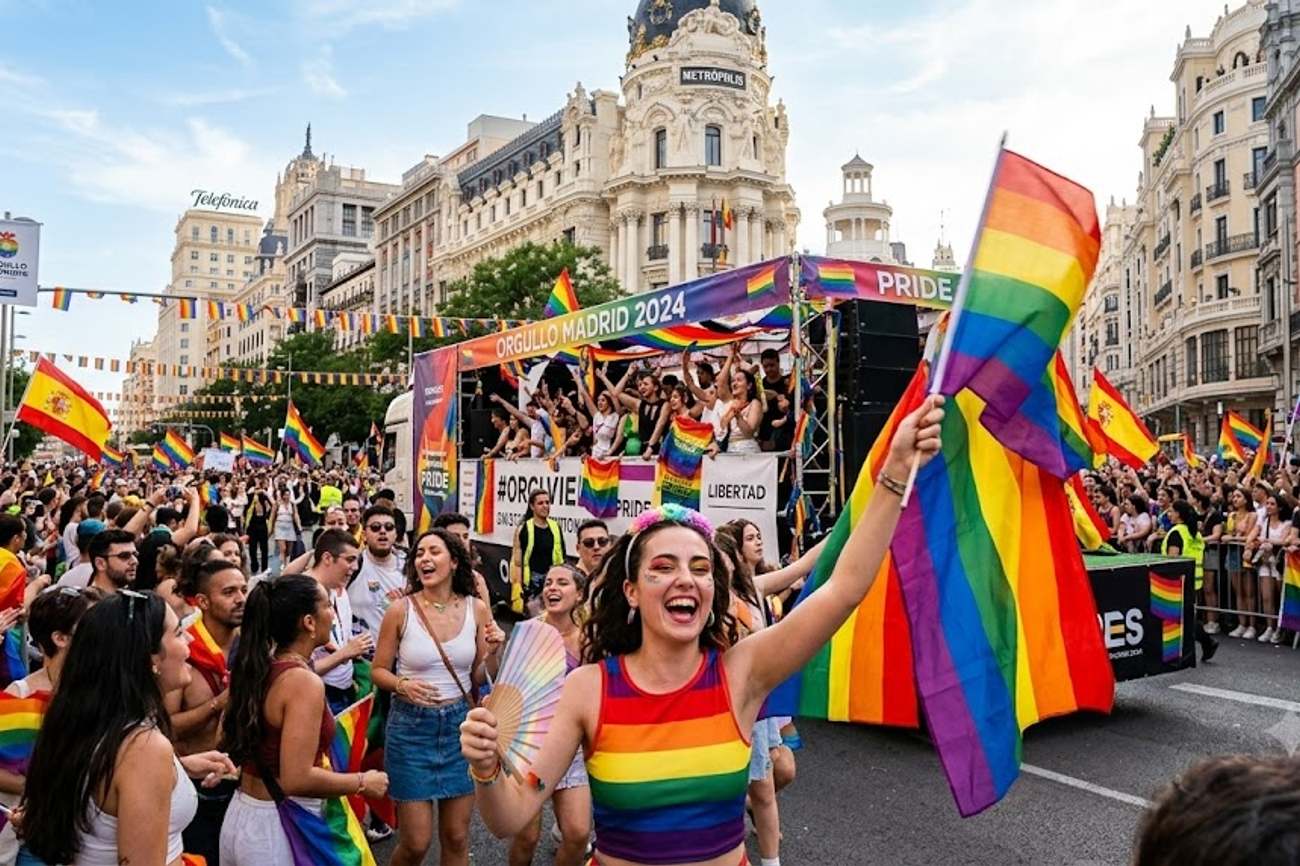
Image generated by AI
Four primary European capitals—Madrid, London, Berlin, and Amsterdam—now anchor a specialized sector of festival-based tourism that transforms traditional city breaks into high-yield cultural pilgrimages. These destinations have shifted from hosting single-day parades to implementing extended, multi-week programmatic calendars. By integrating LGBTQ+ celebrations with established heritage sites and luxury hospitality infrastructure, these cities have successfully decoupled Pride from being a niche community event, repositioning it as a cornerstone of their international tourism strategy.
The Institutionalization of Pride Tourism
The evolution of Pride in Europe represents a strategic shift in how municipal governments and tourism boards manage "event-driven demand." Rather than treating celebrations as temporary disruptions, cities like Madrid and London have integrated these events into their permanent cultural identities. This institutionalization allows for a predictable surge in hotel occupancy and retail spending, creating a symbiotic relationship between social advocacy and economic growth.
The transition toward "extended programmes" is a calculated move to increase the Average Length of Stay (ALOS). By scheduling concerts, academic discussions, and art exhibitions across several weeks, these cities encourage visitors to move beyond the "parade-and-leave" model. This shift maximizes the revenue potential for the International Air Transport Association (IATA) member airlines and local hospitality groups, as travelers transition from short-term visitors to multi-day tourists.
Regional Specialization and Visitor Draw
Each of the four primary hubs has carved out a specific market position to avoid direct competition and instead offer a diversified European "circuit" for the high-spending LGBTQ+ traveler.
| Destination | Primary Strategic Hook | Core Tourism Synergy | Key Geographic Focus |
|---|---|---|---|
| Madrid | High-Energy Festivalism | Gastronomy & Fine Art | Chueca District |
| London | Global Metropolitanism | Historic Landmarks & Theatre | Westminster & West End |
| Berlin | Counter-Culture & History | Creative Arts & Street Culture | Brandenburg Gate/Museum Island |
| Amsterdam | Aquatic Integration | Canal Heritage & Cycling | City Canal Ring |
In Madrid, the strategy centers on the Chueca neighborhood, which acts as a concentrated hub for social and cultural activity. This allows the city to funnel tourist traffic into a specific district, easing the logistical pressure on the wider city while concentrating spending in local businesses.
London leverages its status as a global financial and cultural capital. By aligning Pride in London with the Visit Britain ecosystem, the city ensures that visitors are diverted toward high-value attractions like the British Museum and West End theaters, effectively cross-pollinating the event with traditional luxury tourism.
Berlin’s approach is fundamentally different, utilizing "Christopher Street Day" to lean into its reputation for alternative culture. The draw here is not luxury, but authenticity and historical depth, attracting a demographic interested in street art and the city's complex 20th-century narrative.
Amsterdam utilizes its unique geography to differentiate its offering. The integration of Pride events into the canal system creates a visual and logistical experience that cannot be replicated in land-locked capitals, reinforcing the city's brand as a center for openness and unconventional urban design.
Expert Analysis: The Economics of Identity Tourism
For the modern traveler, the direct consequence of this professionalization of Pride is a "bundled" travel experience. We are seeing the emergence of "Identity Tourism," where the primary driver for travel is a cultural or social identity, but the secondary spending is captured by traditional tourism pillars (museums, luxury retail, and fine dining).
The pricing pressure created by this trend is significant. Because these events are now "established event organizations" with "structured visitor experiences," hotels in districts like Chueca or the West End can command premium surge pricing during Pride windows. This is no longer accidental; it is a result of the "strong hospitality sectors" mentioned in the data, which have optimized their revenue management systems to capitalize on these specific dates.
From a regulatory and logistical standpoint, the shift toward city-wide experiences means that transport services must scale rapidly. The "international transport connections" that make these cities accessible also make them vulnerable to extreme congestion. For the traveler, this means that booking windows for flights and accommodation have shifted earlier in the year, mirroring the booking patterns of major sporting events like the Olympics or the World Cup.
Furthermore, the integration of "cultural landmarks" into Pride itineraries—such as visiting the Royal Palace in Madrid or Museum Island in Berlin—indicates a strategic effort to broaden the appeal of the event. By linking a social celebration to a UNESCO World Heritage site, cities are effectively "legitimizing" the event for a wider, more conservative demographic of global tourists, thereby expanding the total addressable market.
Key Takeaways
- Shift to Multi-Day Programming: Pride has evolved from a single-day parade into an extended series of concerts, exhibitions, and cultural events designed to increase tourist stay duration.
- Strategic Geographic Clustering: Cities are using specific neighborhoods (e.g., Madrid's Chueca) to concentrate economic impact and manage urban flow.
- Diversification of Appeal: By blending LGBTQ+ celebrations with traditional sightseeing (e.g., the British Museum or Amsterdam's canals), cities are attracting a broader spectrum of international visitors.
- Economic Multiplier Effect: The surge in demand extends beyond event venues to create significant revenue spikes for hotels, transport providers, and the retail sector.
- Infrastructure Dependence: The success of these destinations relies on a combination of high-capacity international transport and a sophisticated hospitality ecosystem.
FAQ: European Pride Tourism 2024
When is the best time to book hotels for Pride in Madrid or London? Due to the "established event organization" and high demand, it is recommended to book 4-6 months in advance. Hotels in central hubs like Chueca or Westminster reach capacity quickly and implement surge pricing as the dates approach.
Are Pride events in Berlin different from those in other cities? Yes. Berlin's "Christopher Street Day" focuses more on alternative culture, creativity, and historical significance compared to the more commercialized, large-scale festival atmospheres found in Madrid or London.
Can I visit major museums during Pride celebrations? Absolutely. These cities intentionally combine Pride with traditional tourism. You can easily integrate visits to the Prado Museum in Madrid or the British Museum in London into a Pride-focused itinerary.
Is public transport reliable during these large-scale events? While these cities have "international transport connections," local networks experience extreme congestion. It is advised to use apps like FlightAware for arrival timing and local transit maps to avoid parade-closed zones.
The intersection of social celebration and urban economics has turned the European Pride circuit into a masterclass in destination branding.
Tags: Madrid Pride, Pride in London, Christopher Street Day Berlin, Pride Amsterdam, European Festival Tourism, LGBTQ+ Travel Economics
Related Travel Guides
This article is for informational purposes. Flight routes, passenger regulations, visa rules, and transit advisories are subject to change by airlines and aviation authorities. Readers are advised to verify schedules and travel documentation with relevant carriers and border agencies before departure.
Related Stories

Spain Tourism 2030 Strategy: New Logistics and Regulations for Barcelona, Madrid, and the Islands

European Mass Protests Disrupt Travel Across France, Italy, Belgium, and Turkey in 2026