
U.S. Air Force's Aging Fighter Fleet Raises Questions as Aircraft Approach Pilot Ages
Breaking airline news and aviation industry updates for 2026.

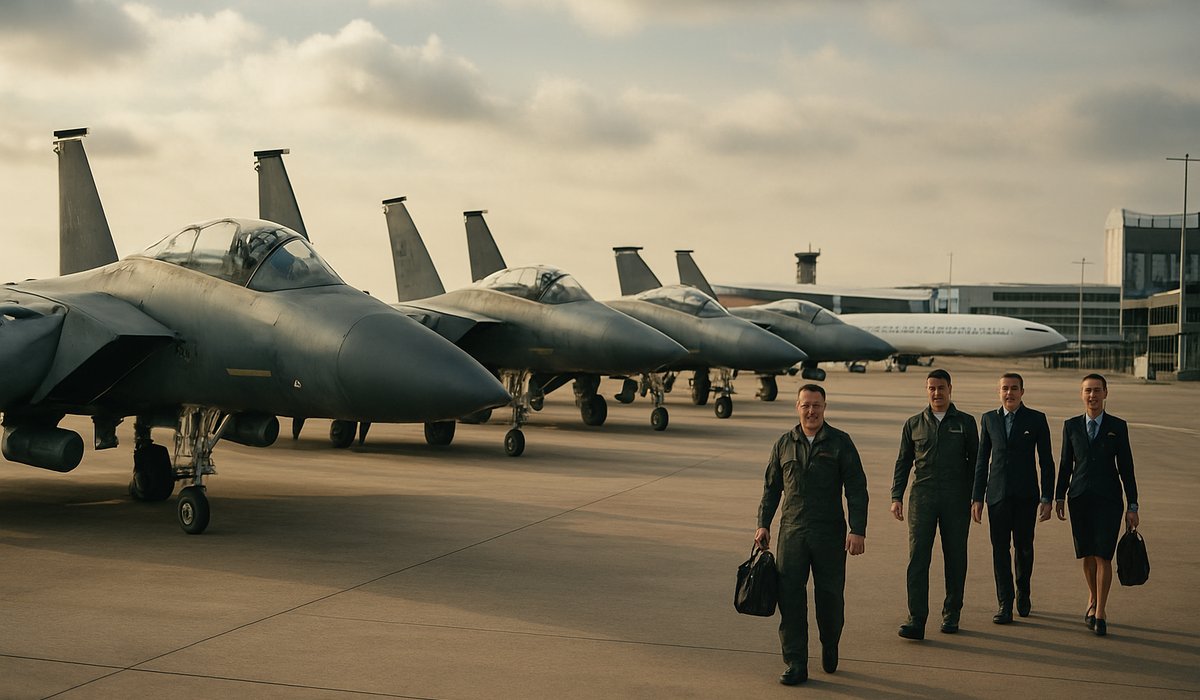
Image generated by AI
U.S. Air Force's Aging Fighter Fleet Raises Questions as Aircraft Approach Pilot Ages
Pentagon maintains operational readiness with jets spanning five decades, creating unique maintenance and modernization challenges
A Fleet Older Than Its Operators
The United States Air Force faces an unprecedented generational paradox: its frontline combat aircraft—some introduced during the Vietnam War era—continue flying alongside pilots young enough to be their children. The F-22 Raptor, which achieved operational status in December 2005 after its maiden flight in 1997, now stands as old as many of the officers commanding these jets, with the service branch projecting these aircraft will remain mission-critical through 2026.
The disparity underscores a broader sustainability challenge within American military aviation. Personnel data indicates USAF pilots typically range from their late twenties to mid-thirties during active combat deployments, creating a two-decade age gap between aircraft platforms and their operators—a reality that carries significant implications for operational doctrine, pilot training, and long-term defense spending.
Five Aircraft Defining Modern American Airpower
Beyond the F-22, multiple platforms introduced during the Cold War and early post-Cold War periods remain integral to USAF operations. These aircraft represent hundreds of billions in historical investment and continue generating substantial maintenance costs as aging systems require specialized spare parts and technical expertise that becomes increasingly difficult to sustain.
The Pentagon has committed to extending the operational lifespan of these platforms through comprehensive modernization programs, software upgrades, and structural reinforcement initiatives—a strategy driven partly by budget constraints and partly by delays in next-generation aircraft development.
The Cost of Operational Longevity
Keeping aircraft combat-ready across their fourth and fifth decades demands extraordinary resources. Engineering teams must continually address metal fatigue, avionics obsolescence, and compatibility challenges with newer defense systems. The Air Force's logistics framework has adapted to accommodate these aging platforms, but experts warn that the cost-per-flight-hour continues escalating as original manufacturers discontinue specialized components.
Military officials acknowledge the strategic necessity of maintaining these aircraft while accelerating development of their replacements. Budget projections show that by 2030, sustainment costs for legacy fighters could consume resources previously allocated to new platform acquisition and pilot training expansion.
Looking Forward: Modernization vs. Replacement
The USAF faces a critical inflection point. While next-generation fighter programs advance through development, current operational commitments require maintaining Vietnam-era airframes and early-2000s platforms simultaneously. This dual-track approach stretches procurement budgets and technical expertise across an increasingly diverse fleet.
Strategic planners are accelerating timelines for emerging platforms while implementing aggressive life-extension programs for current assets—a balancing act that will define American air superiority for the next decade.
FAQ: Military Aircraft Operations and Aging Fleet Management
Why does the U.S. Air Force keep aircraft in service for 50+ years? Modern fighter jets represent enormous capital investments ($100+ million per unit). Extending operational lifespans through modernization is often more cost-effective than wholesale fleet replacement, particularly when next-generation platforms experience development delays.
How does aircraft age affect pilot safety and performance? Newer avionics and structural improvements enhance safety systems, but age-related maintenance becomes critical. Regular inspections, component replacement, and fatigue analysis prevent catastrophic failures, though accident risk increases with operational hours.
What's the cost difference between maintaining legacy fighters versus purchasing new ones? Legacy fighter sustainment averages $30,000-$50,000 per flight hour, while next-generation platforms cost significantly more upfront ($150+ million) but offer lower per-hour operational costs over extended service lives.
When will the F-22 Raptor be retired from USAF service? Current projections extend F-22 operations through the 2060s, with continuous modernization programs. Retirement timelines depend on next-generation replacement platform readiness and congressional budget allocations.
How does pilot experience level affect combat effectiveness with aging aircraft? Experienced pilots can maximize aging platform capabilities, but younger aviators require specialized training on legacy systems. Mixed-generation crews create knowledge-transfer opportunities but complicate operational standardization.
Related Travel Guides
Flight Delay Compensation Guide 2026
Understanding Airline Route Changes
Airport Security Process Updated (2026)
External Resources
Disclaimer
This article is for informational and educational purposes only. It does not constitute legal, financial, or professional advice. While we strive to provide accurate and up-to-date information, travel policies, regulations, and conditions change rapidly. Always verify information with official sources before making travel decisions. Nomad Lawyer makes no representations about the accuracy, reliability, completeness, or suitability of the information provided. Readers should consult qualified professionals for advice specific to their circumstances. The views expressed in this article are those of the author and do not necessarily reflect the views of Nomad Lawyer.
Preeti Gunjan
Contributor & Community Manager
A passionate traveller and community builder. Preeti helps grow the Nomad Lawyer community, fostering engagement and bringing the reader experience to life.
Learn more about our team →