
Los Angeles, United States – Delta’s 18 Percent Seat Power Move on 2 New Transcon Hubs and What Others Are Missing in the 2028 Route War
Delta Air Lines targets Philadelphia and Washington Dulles from LAX by 2028, challenging United and American Airlines fo

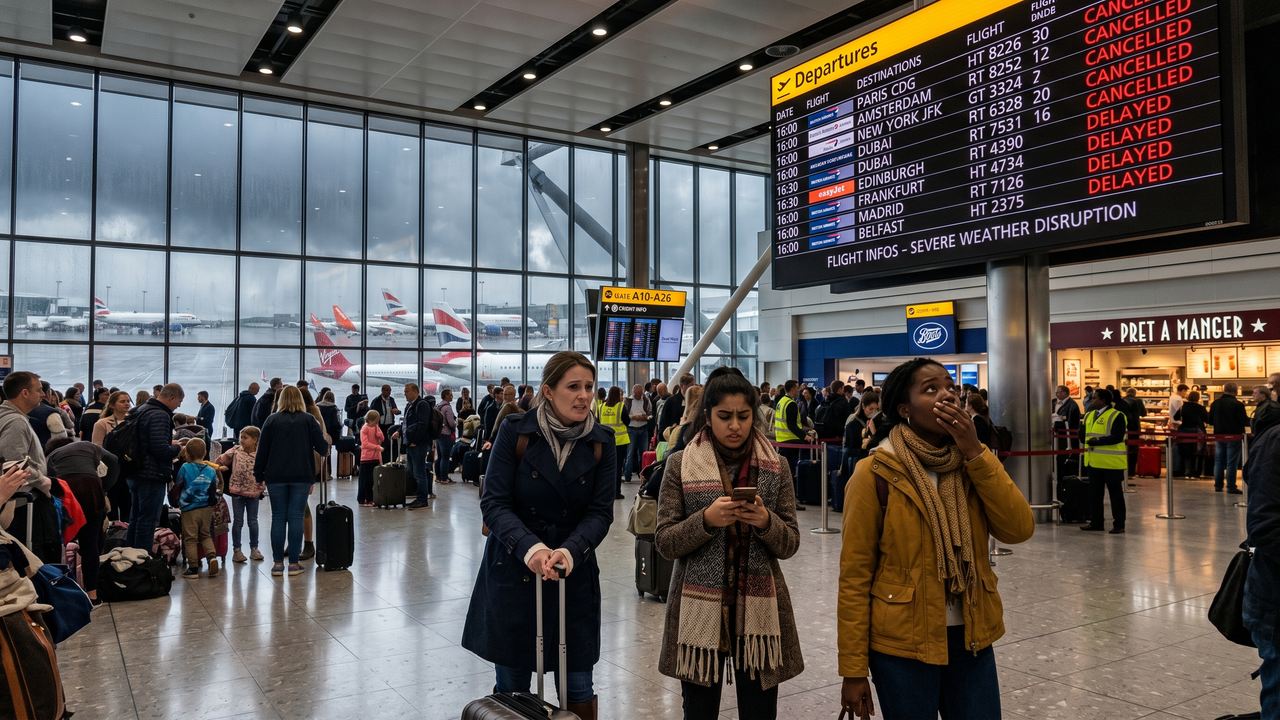
Image generated by AI
[Los Angeles, June 29, 2026] — Delta Air Lines is initiating a strategic expansion of its West Coast operations, targeting a significant increase in transcontinental connectivity from Los Angeles International Airport (LAX). Industry reports indicate the carrier is evaluating the launch of nonstop services to Philadelphia and Washington Dulles, with potential operations beginning around 2028.
This move represents a calculated effort to challenge the dominance of American Airlines and United Airlines on high-yield corridors. By targeting these specific East Coast hubs, Delta aims to capture a larger share of the premium corporate travel market, which remains a primary revenue driver for legacy carriers.
Delta Targets Key East Coast Hubs from Los Angeles
The proposed addition of routes to Philadelphia International Airport and Washington Dulles International Airport is designed to close existing gaps in Delta's transcontinental network. According to industry observers, the airline is prioritizing the completion of its business hub coverage to ensure seamless connectivity for high-value passengers traveling between the West Coast and the Atlantic seaboard.
This expansion is not an isolated event but part of a broader domestic growth phase. Delta has already integrated new services between Los Angeles and Chicago O’Hare and is preparing for the launch of Los Angeles to Newark Liberty International Airport in April 2027. By stitching together these major markets, the airline is building a comprehensive grid focused on frequency and premium cabin revenue.
The strategy places Delta in direct competition with American Airlines, which maintains a stronghold in Philadelphia, and United Airlines, which currently dominates the Washington Dulles market.
Market Share Dynamics at Los Angeles International Airport
LAX has emerged as one of the most fiercely contested aviation hubs in the United States. Current flight tracking and capacity data reveal a tight race for dominance among the three largest US legacy carriers.
| Airline | Approximate Seat Capacity at LAX |
|---|---|
| Delta Air Lines | 18% |
| United Airlines | 16% |
| American Airlines | 15% |
Despite not holding a majority share, Delta currently leads the pack in terms of total seat capacity. This slim margin of victory underscores the intensity of the competition for premium transcontinental traffic. The airline is specifically targeting high-yield corporate contracts and frequent cross-country flyers who typically gravitate toward the established hub-and-spoke systems of its rivals.
A321neo Fleet Constraints and Certification Hurdles
While the route expansion plans are ambitious, Delta is facing operational headwinds regarding its fleet modernization. The airline has 21 Airbus A321neo aircraft specifically configured for premium transcontinental service. These planes are intended to feature 16 Delta One suites with lie-flat seating, a critical product for competing in the luxury business segment.
However, certification delays involving the cabin seat systems have stalled the full deployment of these suites. Currently, these aircraft are operating with a temporary interior consisting of 44 domestic first-class recliner seats.
These constraints have forced the airline to adapt its deployment strategy. The A321neo fleet is currently serving select routes connecting Los Angeles with Atlanta, San Francisco, San Diego, and Seattle. There is ongoing industry speculation regarding whether Delta will proceed with the original seat design or opt for a full interior redesign. This uncertainty creates a potential bottleneck for the 2028 expansion, as the ability to offer a true lie-flat product is essential for disrupting the loyalty structures of corporate travelers.
Infrastructure Investments and Premium Lounge Strategy
To complement its aerial expansion, Delta is investing heavily in the ground experience at LAX. The airline is currently developing a second Delta One lounge, which is expected to open by 2028.
The synchronization of the lounge opening with the potential launch of the Philadelphia and Washington Dulles routes suggests a holistic "ecosystem" approach. Delta is not merely adding flights; it is building an integrated premium environment that combines high-end aircraft hardware with luxury airport facilities. This strategy is intended to neutralize the advantage held by rivals who already possess established hub dominance on the East Coast.
Why This Matters: The Shift in Transcontinental Competition
The maneuvers by Delta Air Lines signal a fundamental shift in how US carriers compete for the most profitable domestic segments. Historically, transcontinental travel was dominated by "fortress hubs"—where one airline controlled the vast majority of slots and passenger loyalty at a specific city.
By aggressively expanding its 18% capacity lead at LAX and targeting the heart of American and United's territories, Delta is attempting to break these monopolies. The "Route War of 2028" is not just about adding destinations; it is about the commoditization of the premium experience.
If Delta successfully deploys its A321neo lie-flat suites and opens its expanded lounge infrastructure by 2028, it will have created a seamless "premium corridor" that removes the incentive for corporate travelers to stick with traditional hub carriers. This puts immense pressure on United and American to either upgrade their own hardware or engage in pricing wars to retain their corporate contracts. The outcome of this expansion will likely redefine the standard for West Coast connectivity and determine which carrier dominates the high-margin business travel sector for the next decade.
Related Travel Guides
Disclaimer
This article is for informational and educational purposes only. It does not constitute legal, financial, or professional advice. While we strive to provide accurate and up-to-date information, travel policies, regulations, and conditions change rapidly. Always verify information with official sources before making travel decisions. Nomad Lawyer makes no representations about the accuracy, reliability, completeness, or suitability of the information provided. Readers should consult qualified professionals for advice specific to their circumstances. The views expressed in this article are those of the author and do not necessarily reflect the views of Nomad Lawyer.
Raushan Kumar
Founder & Lead Developer
Full-stack developer with 11+ years of experience and a passionate traveller. Raushan built Nomad Lawyer from the ground up with a vision to create the best travel and law experience on the web.
Learn more about our team →