
London Rail Safety Department Mandates Emergency Systems for Digital Network Failures in 2026
London rail authorities are implementing critical mechanical emergency systems to ensure passenger survivability when digital networks and power grids fail during worst-case rail incidents.

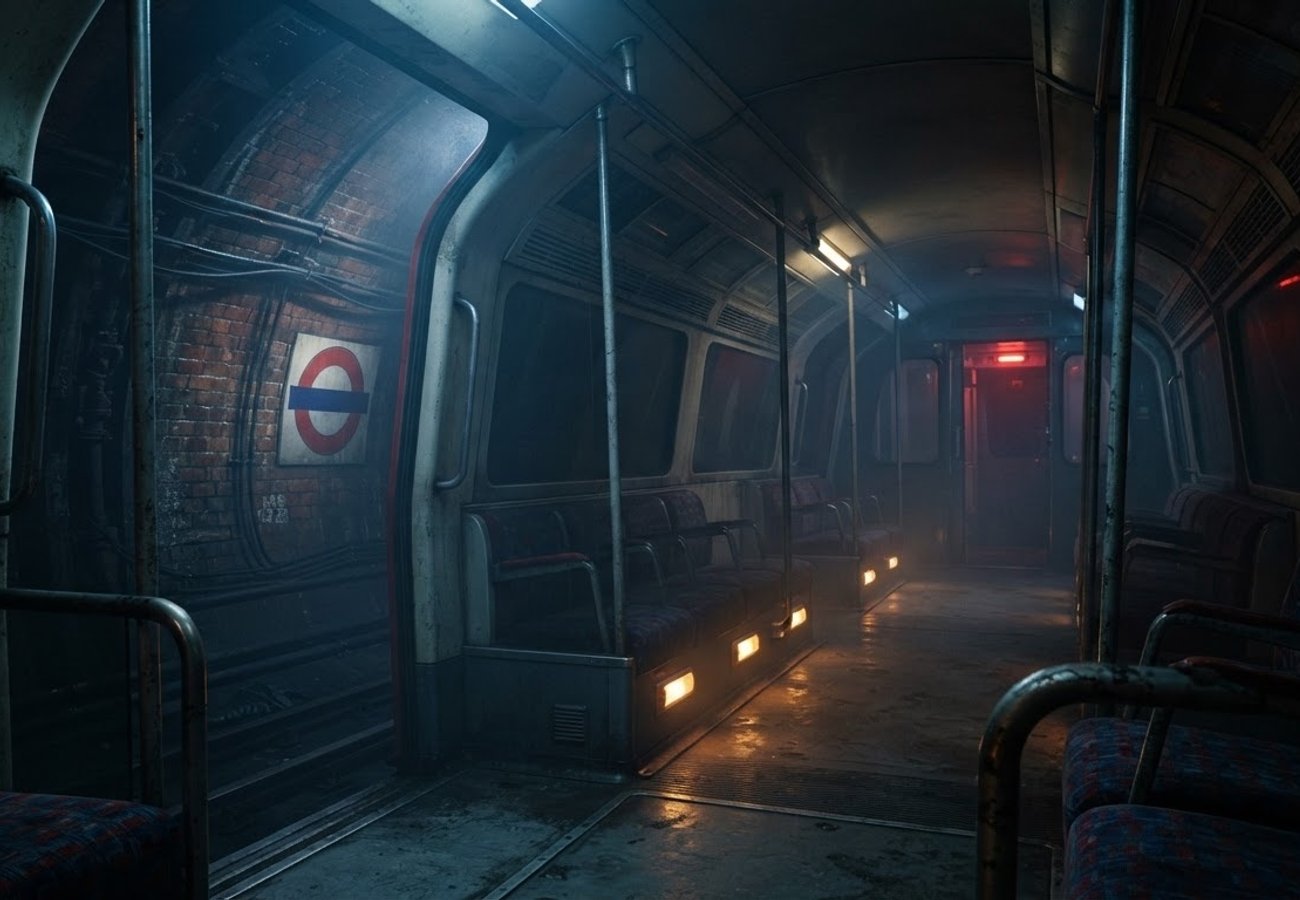
Image generated by AI
London rail safety officials are introducing specialized emergency systems designed to function independently when digital networks collapse during worst-case scenarios. This move addresses a critical vulnerability in modern transit: the inability of passengers to summon help or exit vehicles during total power outages or communication failures.
The transition toward fully digital rail infrastructure has historically prioritized operational efficiency and predictive maintenance. However, industry reports indicate that this shift has inadvertently created safety gaps. When traditional mechanical systems are replaced by electronic controls, a systemic failure—such as a massive power surge, software crash, or physical infrastructure damage—can leave passengers trapped without a reliable means of communication or egress.
The Vulnerability of Digital Rail Infrastructure
Modern railways now rely heavily on automated train controls, connected infrastructure, and electronic passenger information systems. While these technologies have improved daily reliability, they operate under the assumption of a stable power supply and active data networks.
Emergency conditions, by definition, occur when normal operations have already failed. In the event of a collision, tunnel fire, or total electrical blackout, the very systems designed to manage the train can become liabilities. Passengers in these scenarios often face a combination of limited visibility due to smoke, unstable communication networks, and automated systems that may fail to respond as programmed.
The central debate among safety engineers has shifted from the sophistication of emergency technology to its resilience. The critical question is no longer how advanced a system is, but whether it remains functional when every other supporting network around it has failed.
Addressing Technology Dependency in Passenger Transit
A significant risk in contemporary transport is "technology dependency." Digital safety systems require a chain of supporting conditions: electricity, software stability, and integrated control links. If any link in this chain breaks, the safety system may vanish.
To counter this, safety experts are advocating for layered protection. A resilient rail network must not rely on a single digital pathway. Instead, it should integrate:
- Real-time digital monitoring for early detection.
- Automated emergency management for rapid response.
- Strict human-led safety procedures.
- Physical, mechanical escape options that require no power.
This philosophy aligns with the Reliability, Availability, Maintainability, and Safety (RAMS) principle. Specifically, the IEC 62278 frameworks emphasize that safety must be demonstrated throughout the entire lifecycle of the system, focusing heavily on how it behaves during "degraded conditions" rather than standard operation.
Prioritizing Passenger Survivability Over Automation
While much of the industry's attention is focused on artificial intelligence and "smart" infrastructure, there is a growing movement toward "survivability engineering." This discipline focuses on the immediate physical experience of a passenger during a crisis.
For a person trapped in a carriage, the sophistication of the control center is irrelevant. Their survival depends on four basic physical questions:
- Where is the exit located?
- Is the exit reachable?
- Can the exit be opened manually?
- Does the mechanism function without electrical power?
This need has brought mechanical emergency egress solutions back into the spotlight. Systems such as Safe-T-Punch™ are designed to operate as independent solutions, relying on direct physical force rather than software or external networks. The industry is realizing that the safest trains are not necessarily the smartest ones, but those that provide a manual fallback when intelligence fails.
European Regulatory Frameworks and Safety Mandates
The shift toward mechanical redundancy is already reflected in European law. The EU Locomotives and Passenger Rolling Stock Technical Specification for Interoperability (LOC&PAS TSI) mandates that passenger emergency exits must be train-based provisions that allow for immediate evacuation.
Under these regulations, emergency exits must meet strict criteria:
- They must be clearly indicated to all passengers.
- They must be easily accessible.
- They must be adequate in size for rapid egress.
- They must be capable of being operated by passengers from inside the train.
These mandates ensure that emergency systems are viewed not as optional add-ons, but as fundamental components of the passenger protection framework.
Resilience Challenges in London’s Urban Network
London serves as a primary example of why these systems are vital. As one of the world's most densely populated transport hubs, the city's network faces unique challenges, including deep underground environments and extremely limited evacuation space.
In underground tunnels, the risks are magnified. Restricted visibility and confined spaces make it difficult for passengers to find exits if electronic guidance systems fail. This mirrors concerns raised by the United States Federal Transit Administration, which emphasizes that physical evacuation routes are essential when trains are stranded between stations.
For global metropolitan areas, the lesson is clear: expanding rail capacity must be matched by an equal investment in "stop-state" protection—ensuring people can get out safely when movement suddenly ceases.
The Future of Survivability Engineering
The emergence of survivability engineering marks a departure from traditional safety engineering. While traditional methods focus on preventing a failure from occurring, survivability engineering accepts that failures are inevitable and focuses on the aftermath.
This shift is expected to influence several key areas of the rail industry:
- Manufacturing: New train designs will integrate more manual overrides.
- Refurbishment: Older fleets may be retrofitted with independent egress tools.
- Infrastructure: Tunnel and station planning will prioritize physical markers over digital signage.
- Training: Emergency drills will focus on manual evacuation without the aid of electronic communication.
The strongest future rail systems will not choose between digital intelligence and mechanical independence; they will integrate both. While AI and predictive monitoring will prevent the majority of accidents, mechanical systems will ensure that the remaining few do not become catastrophes.
The ultimate safety feature of a high-tech train is the one that works when the power goes out.
Related Travel Guides
Disclaimer
This article is for informational and educational purposes only. It does not constitute legal, financial, or professional advice. While we strive to provide accurate and up-to-date information, travel policies, regulations, and conditions change rapidly. Always verify information with official sources before making travel decisions. Nomad Lawyer makes no representations about the accuracy, reliability, completeness, or suitability of the information provided. Readers should consult qualified professionals for advice specific to their circumstances. The views expressed in this article are those of the author and do not necessarily reflect the views of Nomad Lawyer.
Raushan Kumar
Founder & Lead Developer
Full-stack developer with 11+ years of experience and a passionate traveller. Raushan built Nomad Lawyer from the ground up with a vision to create the best travel and law experience on the web.
Learn more about our team →