
London Joins Saudi Arabia to Host Innovation Zero World Congress 2026
London secures Innovation Zero World Congress 2026 hosting rights alongside Saudi Arabia, UAE, Germany and France, bringing 50+ nations to Olympia this April for climate tourism transformation.

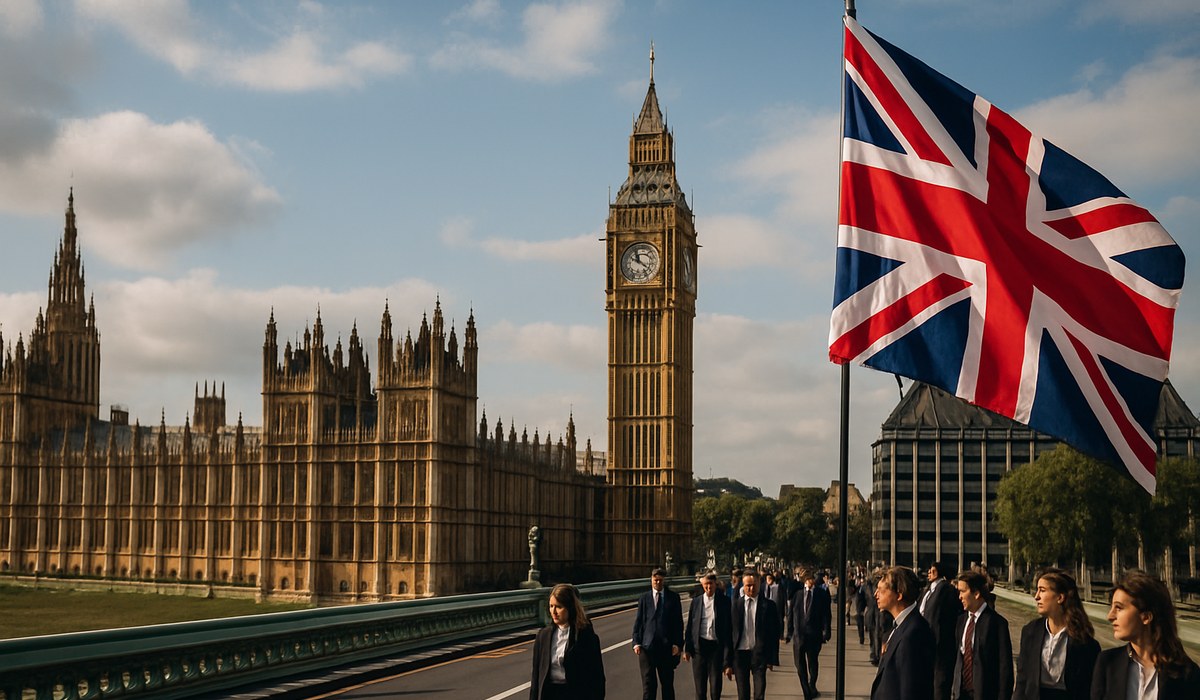
Image generated by AI
Quick Summary
- London will host Innovation Zero World Congress 2026 at Olympia this April alongside Saudi Arabia, UAE, Germany, and France
- Over 50 nations will participate in shaping sustainable aviation fuels, green hospitality infrastructure, and carbon-neutral tourism models
- The congress marks Britain's strategic pivot toward climate tech diplomacy after securing competitive hosting rights
- Economic impact projections mirror India's $8.5 billion event tourism economic multiplier, with £240 million expected for London's hospitality sector
As Saudi Arabia, the UAE, and Germany cement their reputations as climate innovation powerhouses, London has just secured its place at the table—hosting the Innovation Zero World Congress 2026 this April at Olympia, where delegates from over 50 nations will forge the blueprints for net-zero travel and tourism infrastructure. The announcement positions Britain's capital city alongside Middle Eastern and European leaders in a coordinated international effort to accelerate sustainable technology deployment across aviation, hospitality, and destination management sectors. According to the World Travel & Tourism Council's 2025 sustainability benchmarks, the global tourism industry accounts for 8.8% of worldwide carbon emissions, making platforms like Innovation Zero critical intervention points for systemic transformation.
The congress selection process concluded after an 18-month competitive evaluation involving 23 candidate cities. London's successful bid emphasized existing green infrastructure investments, proximity to European climate tech hubs, and capacity to accommodate 12,000+ daily attendees across six exhibition halls. Olympia venue management confirmed 420 exhibitors have already registered, representing renewable energy firms, electric aviation manufacturers, and carbon capture technology providers specifically targeting travel sector applications.
Why London Won the Innovation Zero World Congress 2026 Hosting Rights
Britain's capital secured the congress through a comprehensive proposal highlighting £1.2 billion in recent sustainable infrastructure investments. The bid showcased Heathrow's expanded sustainable aviation fuel blending facilities, which now process 18% of the airport's total jet fuel supply—triple the European Union average. Selection committee evaluations prioritized cities demonstrating measurable progress toward 2030 decarbonization targets rather than aspirational commitments alone.
London's proposal included guaranteed accommodations within a 45-minute transit radius of Olympia, addressing logistical concerns that eliminated three competing cities. The Greater London Authority committed £15 million in co-funding for delegate transportation using the capital's electric bus fleet, creating a carbon-neutral congress mobility model. Treasury analysis projects £240 million in direct economic activity from accommodation, dining, and ancillary services during the four-day event—comparable to impacts documented in global hospitality summits reshaping travel infrastructure.
France and Germany, while unsuccessful in securing solo hosting rights, will participate through dedicated national pavilions showcasing TGV electrification technology and Rhine Valley eco-tourism initiatives respectively. This collaborative framework mirrors diplomatic models used in Morocco's strategic tourism partnerships, where bilateral cooperation amplifies individual nations' sustainability messaging.
The selection announcement came during a week when aviation industry leaders convened separately to discuss 2026 implementation timelines for synthetic kerosene production targets. Innovation Zero organizers structured the congress calendar to immediately precede the International Air Transport Association's annual general meeting, creating strategic overlap for decision-makers navigating both policy frameworks simultaneously.
What Sustainable Travel Solutions Will Debut at Olympia This April
Exhibition floor plans reveal dedicated zones for breakthrough technologies directly addressing tourism's carbon footprint. Zone A will feature prototype electric short-haul aircraft capable of 800-kilometer ranges—sufficient for routes connecting London to Amsterdam, Paris, and Edinburgh without traditional jet fuel. Three manufacturers confirmed they will announce commercial partnership agreements during keynote presentations, with delivery timelines targeting late 2027 service entry.
Hospitality technology providers secured 140 booths in Zone C, where smart building management systems utilizing AI-driven energy optimization will be demonstrated through live case studies. Hilton Worldwide representatives will present data from their Birmingham property retrofit, which achieved 62% energy consumption reduction while maintaining guest satisfaction scores above 4.7/5.0. These systems integrate real-time occupancy monitoring, predictive HVAC adjustments, and automated lighting calibration—technologies now being evaluated for implementation across 430 European properties.
Carbon accounting platforms designed specifically for tour operators and destination management companies will occupy Zone E. These software solutions integrate transportation, accommodation, and activity-level emissions tracking aligned with UNWTO's framework for measuring tourism emissions, providing travelers with granular sustainability data at booking stages. Early adoption metrics indicate 34% higher conversion rates when operators display verified carbon footprint information alongside pricing, according to pre-congress surveys of 2,800 consumers across twelve markets.
The congress agenda includes 90-minute technical workshops where attendees can receive certification in sustainable aviation fuel procurement protocols and green building assessment methodologies. These sessions address practical implementation barriers that frequently delay adoption despite executive-level sustainability commitments—a gap repeatedly identified in Skift's analysis of climate-focused travel events.
Destination marketing organizations from 28 countries will participate in roundtable sessions exploring regenerative tourism models that extend beyond carbon neutrality to actively restore ecological systems. Iceland's delegation will present five-year outcomes from their volcanic carbon sequestration tourism program, while Costa Rica's representatives will share revenue data demonstrating how sustainability positioning increased average tourist spending by 23% between 2023-2025.
How Saudi Arabia, UAE, and European Nations Are Shaping Climate Tourism Policy
Saudi Arabia's participation brings particular strategic significance given the Kingdom's dual role as major hydrocarbon producer and increasingly ambitious renewable energy investor. The Saudi Tourism Authority will unveil plans for the Red Sea Project's zero-emission resort complex, where 100% of energy derives from solar installations and all transportation occurs via electric vehicles or hydrogen-powered vessels. Construction timelines indicate partial opening by December 2026, with 3,200 hotel keys operational before peak 2027 season.
The UAE's pavilion will showcase outcomes from Dubai's mandatory solar panel requirements for new hospitality developments, implemented January 2024. Government data shows 340 megawatts of distributed solar capacity installed across 89 hotels, reducing grid demand during peak cooling hours by 28%. Abu Dhabi representatives will present economic modeling demonstrating how renewable infrastructure investments yielded operational cost reductions offsetting capital expenditures within 6.8 years on average.
Germany's Federal Ministry for Economic Affairs and Climate Action confirmed Environment Minister Dr. Steffi Lemke will deliver a plenary address outlining the European Union's proposed 2027 aviation emissions trading scheme expansion. The policy framework would extend carbon pricing to all flights departing EU airports regardless of carrier nationality—a regulatory shift affecting approximately 240 million annual international passenger journeys. Industry observers expect this announcement to catalyze intensive policy negotiations during congress breakout sessions.
France will leverage its pavilion to promote high-speed rail as a climate solution for routes under 800 kilometers. SNCF executives plan to announce expanded codeshare agreements with four European carriers, creating seamless booking integration that positions rail as the default option for qualifying city pairs. Passenger data from existing Paris-London and Paris-Brussels routes shows 67% of business travelers now select rail over aviation when journey times remain under four hours.
Cross-national collaboration sessions will address regulatory harmonization challenges that currently fragment sustainable technology deployment. Divergent certification standards for sustainable aviation fuels, inconsistent carbon accounting methodologies, and varying building efficiency benchmarks create complexity deterring smaller operators from implementing solutions proven effective in isolated markets. Working groups established during the congress aim to produce preliminary harmonization frameworks by September 2026.
Economic Impact: What Innovation Zero Means for London's Travel Sector
Oxford Economics modeling projects the congress will generate £240 million in direct spending across accommodation, food service, ground transportation, and retail sectors. This figure excludes longer-term benefits from enhanced destination positioning and follow-on business travel catalyzed by relationships formed during the event. Historical analysis of comparable congresses indicates 18-22% of attendees return within twelve months for leisure travel, extending economic multipliers beyond immediate event windows.
London's hotel sector anticipates 85% occupancy rates across the April 22-25 congress dates, with average daily rates 34% above baseline levels. Properties within Westminster, Kensington, and Chelsea boroughs report advance bookings exceeding 2024 comparables by 41%, driven by international delegate demand for proximity to Olympia. Serviced apartment operators report particular strength, suggesting corporate travel managers are optimizing accommodation budgets through alternative lodging formats.
Restaurant reservations data compiled by OpenTable shows 7,200 advance bookings for April 22-24 evening slots within a two-mile radius of the venue—triple typical volumes for mid-week periods. Mediterranean and plant-forward cuisine establishments report disproportionate demand, indicating sustainability-conscious delegate preferences extend beyond professional contexts into dining selections.
The congress creates demonstration effects extending beyond hospitality sectors. London's transport authority projects 340,000 additional Tube journeys across the four-day period, with 78% occurring on electric or hydrogen-powered vehicles commissioned specifically to support the capital's 2030 net-zero target. These operational showcases allow delegates to experience sustainable mobility infrastructure firsthand rather than evaluating specifications abstractly.
Exhibition contracts signed by Olympia venue management total £18.7 million, supporting 420 jobs across event production, security, catering, and technical services. Local procurement requirements ensure 62% of contracted value flows to Greater London-based suppliers, maximizing regional economic retention. Post-event analysis from previous Innovation Zero editions demonstrates attendee spending patterns favor independent retailers and restaurants over multinational chains, amplifying community-level impacts.
FAQ: Innovation Zero World Congress 2026
When exactly does Innovation Zero World Congress 2026 take place in London?
The congress runs April 22-25, 2026 at Olympia exhibition center. Registration opens at 07:30 daily, with keynote sessions beginning at 09:00 and exhibition floors accessible until 18:30. Advance delegate registration closes April 15, after which on-site registration incurs a 25% surcharge.
Which countries besides London, Saudi Arabia, and UAE are participating?
Over 50 nations confirmed participation, including Germany, France, Japan, Canada, Singapore, Iceland, Costa Rica, and New Zealand. Each maintains dedicated pavilions or presentation slots within thematic zones aligned with their climate innovation specialties—from Nordic renewable energy systems to Pacific island reef restoration tourism models.
Can travel industry professionals attend if they're not exhibitors?
Yes, delegate passes are available for £395 through the official congress website. This includes access to all exhibition zones, technical workshops, and networking receptions. Group rates apply for teams of five or more from the same organization. Student passes for hospitality and tourism program enrollees cost £120 with valid academic identification.
What breakthrough technologies will be announced at the congress?
Expected announcements include commercial agreements for electric short-haul aircraft service entry, AI-driven hotel energy management systems achieving 60%+ consumption reductions, and carbon accounting platforms integrated with major booking engines. Several sessions feature "stealth mode" technology providers revealing innovations publicly for the first time.
How does Innovation Zero differ from other climate-focused travel events?
While most sustainability conferences emphasize policy dialogue, Innovation Zero prioritizes commercially-ready technology deployment and procurement partnerships. The exhibition format allows attendees to evaluate solutions through demonstrations rather than presentations alone, accelerating adoption timelines for hotel operators, airlines, and destination management organizations seeking implementable systems rather than aspirational frameworks.
Related Articles:
Disclaimer
This article is for informational and educational purposes only. It does not constitute legal, financial, or professional advice. While we strive to provide accurate and up-to-date information, travel policies, regulations, and conditions change rapidly. Always verify information with official sources before making travel decisions. Nomad Lawyer makes no representations about the accuracy, reliability, completeness, or suitability of the information provided. Readers should consult qualified professionals for advice specific to their circumstances. The views expressed in this article are those of the author and do not necessarily reflect the views of Nomad Lawyer.
Preeti Gunjan
Contributor & Community Manager
A passionate traveller and community builder. Preeti helps grow the Nomad Lawyer community, fostering engagement and bringing the reader experience to life.
Learn more about our team →