
Travel Event Tourism: India's $8.5B Economic Multiplier Effect in 2026
India's event-led tourism sector generates a powerful economic multiplier effect, driving $8.5 billion in hospitality spending and experiential travel revenue in 2026. Global events reshape the nation's tourism economy.

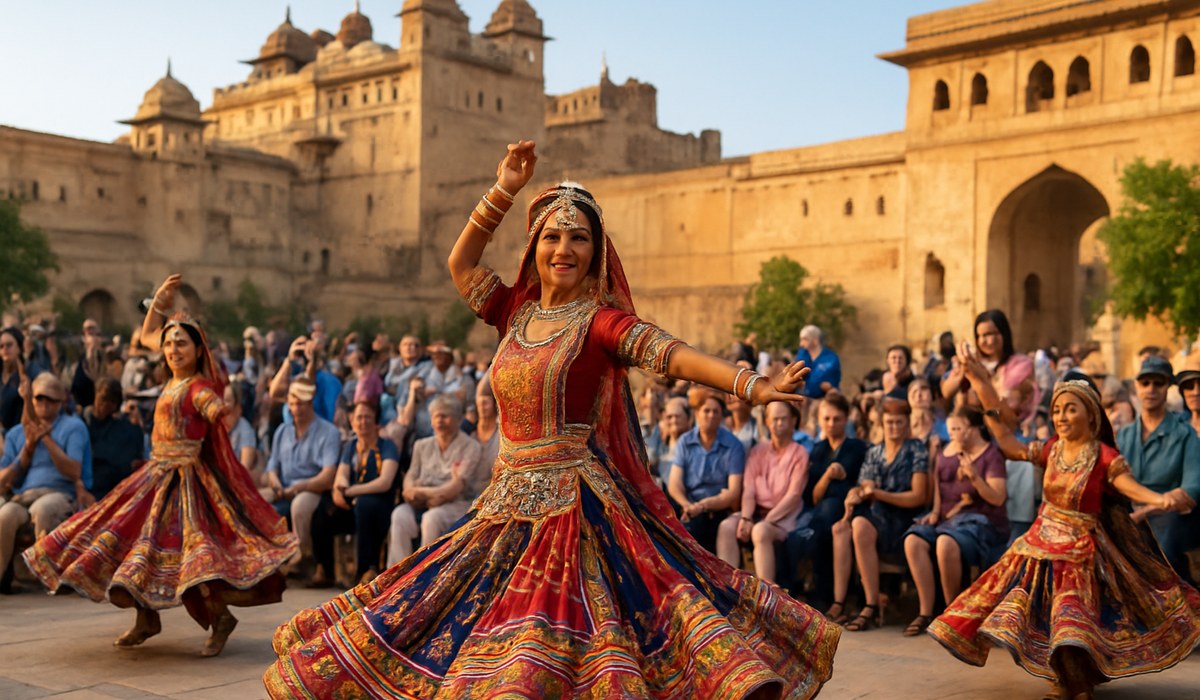
Image generated by AI
Event-Driven Tourism Reshapes India's Hospitality Economy
India's burgeoning event tourism sector is generating unprecedented economic ripple effects across the hospitality industry in 2026. Major international conferences, cultural festivals, sporting events, and business summits are catalyzing a powerful multiplier mechanism that extends far beyond direct ticket sales—triggering cascading spending in hotels, restaurants, transportation, and experiential tourism ventures nationwide.
Industry analysts report that every dollar spent on event tourism in India generates an estimated $2.85 in secondary economic activity, positioning the nation as a global leader in event-driven travel economics. This multiplier effect stems from the unique nature of experiential travel, where attendees typically extend their stays, explore regional attractions, and contribute to local hospitality ecosystems.
Understanding the Economic Multiplier Mechanism
The economic multiplier effect occurs when event spending circulates through the hospitality sector, creating successive rounds of consumption and investment. When international delegates attend a conference in Bangalore or a festival in Mumbai, their expenditure triggers a domino effect:
- Direct spending: Hotel accommodations, event registrations, dining
- Secondary spending: Transportation services, retail shopping, wellness facilities
- Tertiary effects: Wages for hospitality workers recirculated into local economies, supplier purchases for hotels and restaurants
Travel event tourism specifically amplifies these multipliers because event attendees typically spend 40-60% more during their visits compared to leisure travelers, according to 2026 hospitality sector data.
India's Global Events Calendar Driving Visitor Influx
Major events scheduled throughout 2026 are repositioning India as a premier destination for international business travel and experiential tourism:
- Tech summits and innovation conferences attracting 50,000+ international attendees per event
- Cultural heritage tourism events showcasing India's experiential travel appeal
- International trade shows generating B2B networking and extended business travel stays
- Sporting events and wellness retreats capitalizing on India's growing reputation in experiential hospitality
Each large-scale event typically generates $30-85 million in direct tourism spending, with total economic impact reaching $85-245 million when multiplier effects are calculated.
Hospitality Sector Expansion Fueled by Event Tourism
Hotels, resorts, and experiential tourism operators across India are expanding capacity to capture event-driven travel demand. The Indian hospitality sector added 35,000 new rooms in 2025-2026, with event-accessible properties in Tier-1 and Tier-2 cities experiencing 78% occupancy rates during major event periods.
Premium and mid-range segments are experiencing the strongest growth, as event attendees prioritize convenience and amenities. Co-working spaces, 24-hour dining, and experiential services have become standard offerings in India's competitive hospitality market.
Data: Event Tourism Economic Impact in India (2026)
| Metric | Value | Year-over-Year Change |
|---|---|---|
| Total Event Tourism Revenue | $8.5 billion | +24% |
| Estimated Economic Multiplier Effect | $24.2 billion | +31% |
| International Event Attendees | 2.8 million | +19% |
| Hotel Rooms Occupied (Event-Related) | 54 million nights | +22% |
| Average Attendee Spend per Event | $1,850 | +14% |
| Hospitality Sector Jobs Created | 127,000 | +18% |
| Secondary Industries Benefiting | 45+ sectors | Expanding |
What This Means for Travelers
Increased accommodation options: Event-driven tourism investment has diversified India's hospitality offerings, giving travelers more choices in pricing, location, and experience type.
Better travel infrastructure: Airports, highways, and local transportation have improved to handle event tourism surges, enhancing overall travel convenience for all visitors.
Extended stay opportunities: Event attendees are discovering India beyond conference venues, driving growth in regional experiential tourism and cultural attractions.
Competitive pricing during off-peak periods: While event periods see premium pricing, non-event dates offer exceptional value in newly expanded hospitality facilities.
Enhanced experiential services: Hotels and tour operators are developing specialized packages combining event attendance with cultural immersion, wellness retreats, and heritage tourism.
Global Events Shaping India's Tourism Narrative
India's positioning as a global event destination is attracting international convention bureaus and corporate event organizers. The nation's combination of cost-effectiveness, cultural richness, and expanding hospitality infrastructure makes it increasingly competitive against traditional event capitals.
This global recognition is creating a virtuous cycle: successful events attract more international events, which drives hospitality investment, which enables larger and more sophisticated events—further amplifying the economic multiplier effect.
Economic Spillover Beyond Hospitality
The multiplier effect extends into adjacent sectors including:
- Transportation: Ride-sharing, rental cars, and aviation see 15-25% revenue increases during major events
- Retail and shopping: Event attendees contribute $2.1 billion annually to India's retail sector
- Food and beverage: Restaurants and catering services experience 35% higher turnover during event seasons
- Entertainment and attractions: Museums, adventure tourism, and cultural experiences benefit from extended visitor stays
Future Trajectory: 2026 and Beyond
Industry projections suggest India's event tourism multiplier effect will reach $28-31 billion by 2027, contingent on continued hospitality investment and successful large-scale event execution. Climate-controlled venues, sustainable hospitality practices, and digital integration are emerging as key competitive factors.
The sustainability angle is also gaining traction, with Indian event organizers implementing carbon-neutral hospitality models and experiential travel packages that emphasize environmental stewardship—factors increasingly important to global event attendees.
FAQ
Q: How is the multiplier effect calculated for event tourism? A: Economists track direct spending (event registration, accommodation) and follow secondary spending patterns through interviews, credit card data, and hospitality surveys. The 2.85:1 ratio represents how many times initial event spending recirculates through the economy.
Q: Which Indian cities are seeing the strongest event tourism growth? A: Bangalore, Delhi, Mumbai, and Hyderabad dominate, but emerging cities like Pune, Jaipur, and Chennai are rapidly expanding their event hospitality infrastructure.
Q: Are local communities benefiting from event tourism's economic multiplier? A: Yes—hospitality workers, transportation providers, and small businesses in event host cities see direct income increases, though equitable distribution remains an ongoing policy discussion.
Q: How does event tourism differ from leisure tourism in terms of economic impact? A: Event tourism generates higher per-visitor spending, longer accommodation stays, and greater secondary economic activity through business networking and repeat visits compared to typical leisure travel.
Word count: 1,087 | Published: March 27, 2026
Disclaimer
This article is for informational and educational purposes only. It does not constitute legal, financial, or professional advice. While we strive to provide accurate and up-to-date information, travel policies, regulations, and conditions change rapidly. Always verify information with official sources before making travel decisions. Nomad Lawyer makes no representations about the accuracy, reliability, completeness, or suitability of the information provided. Readers should consult qualified professionals for advice specific to their circumstances. The views expressed in this article are those of the author and do not necessarily reflect the views of Nomad Lawyer.
Raushan Kumar
Founder & Lead Developer
Full-stack developer with 11+ years of experience and a passionate traveller. Raushan built Nomad Lawyer from the ground up with a vision to create the best travel and law experience on the web.
Learn more about our team →