
LNER Increases Rail Capacity for 2026 Great North Run with Expanded Newcastle Service Frequency
LNER is deploying additional rail services for the 2026 Great North Run on September 13, leveraging a transformed East Coast Main Line timetable that increases Newcastle-London frequency to three trains per hour.

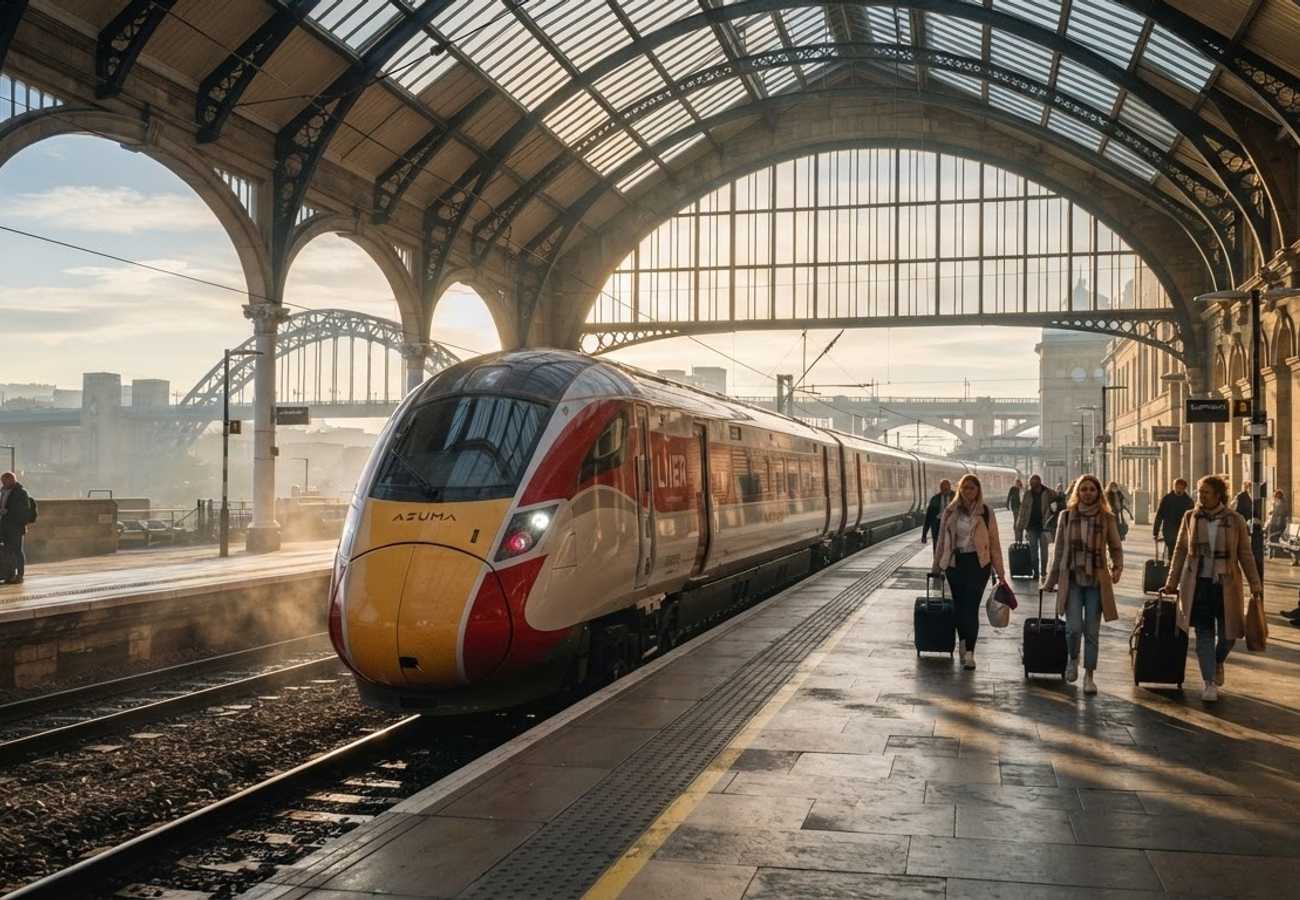
Image generated by AI
LNER is scaling up rail capacity for the 2026 AJ Bell Great North Run on Sunday, September 13, integrating event-specific services into a newly expanded East Coast Main Line timetable.
The operational shift comes as LNER implements a significant frequency increase between Newcastle and London King’s Cross, moving from two to three trains per hour in each direction. This baseline growth, effective from December 2025, provides a higher capacity floor for the world's largest half marathon, which typically draws 60,000 runners and tens of thousands of spectators to Tyneside.
Strategic Capacity Expansion for September 13, 2026
To manage the surge in demand for the race from Newcastle to South Shields, LNER is expected to mirror its 2025 strategy by deploying bespoke morning services. In previous iterations, this included five additional services from key hubs including Leeds, Doncaster, York, and Edinburgh. These "overlay" services are designed to arrive in Newcastle before mid-morning, ensuring participants reach assembly areas on the city side of the River Tyne before the race start.
The 2026 planning is bolstered by the reintroduction of InterCity 225 sets on selected North East services, adding critical seat capacity to the modern Azuma fleet.
Revised East Coast Main Line Specifications
The baseline connectivity for Newcastle has undergone a structural transformation. The new timetable increases weekday services by 37 trains compared to previous patterns, focusing on reducing transit times and increasing frequency.
| Route Parameter | Previous Specification | 2026 Updated Specification | Impact/Change |
|---|---|---|---|
| Newcastle $\leftrightarrow$ London Frequency | 2 trains per hour | 3 trains per hour | +50% frequency increase |
| Daily Weekday Service Increase | Base Level | +37 additional services | Higher baseline capacity |
| Limited Stop Service | Variable | 1 per hour (7 days a week) | Streamlined connectivity |
| Newcastle $\to$ London Transit Time | Standard | Under 2 hours 50 minutes | Faster turnaround (via York) |
| Regional Economic Impact | Base | +£13 million annually | Projected North East growth |
Traveler Logistics Guide: Navigating Race Day
From a ground-level perspective, the best way to navigate the Great North Run weekend is to decouple your long-distance rail arrival from your local transit to the start line.
Booking and Timing Because LNER's event-day extras overlay the base timetable, seats fill rapidly. Book your arrival for Saturday, September 12, or the earliest possible Sunday morning service. If arriving Sunday, target a Newcastle Central arrival time no later than 08:00 to account for the heavy pedestrian congestion around the city center.
The "Last Mile" Connection The journey from Newcastle Central to the start area and the subsequent return from the South Shields finish line is the primary bottleneck.
- Tyne and Wear Metro: This is the primary artery for the event. Expect extreme crowding. Use contactless payment or pre-loaded Smart cards to bypass ticket machine queues.
- South Shields Return: Do not rely on standard schedules for the return journey. Utilize the dedicated shuttle buses and event-day Metro tickets typically offered by local operators to move from the seafront back to the city.
- Digital Transit: Ensure your rail apps are updated to reflect the December 2025 timetable changes, as many legacy booking platforms may not immediately show the "limited stop" hourly service.
Infrastructure and Regional Impact
The integration of high-frequency intercity rail with a constrained regional network remains a challenge. The approach to Newcastle Central is a known capacity pinch point. By increasing the base frequency to three trains per hour, LNER reduces the reliance on "emergency" extra trains that can often cause knock-on delays across the East Coast Main Line.
The economic implications are substantial. With an estimated £13 million annual boost to the North East economy attributed to the new timetable, the Great North Run serves as a primary catalyst for this growth. The ability to move 60,000 athletes and their supporters efficiently reduces the carbon footprint of the event and minimizes the gridlock typically seen on Tyneside roads.
The synergy of increased baseline frequency and event-specific overlays marks a shift toward a more resilient transit model for major UK sporting events.
Related Travel Guides
Disclaimer
This article is for informational and educational purposes only. It does not constitute legal, financial, or professional advice. While we strive to provide accurate and up-to-date information, travel policies, regulations, and conditions change rapidly. Always verify information with official sources before making travel decisions. Nomad Lawyer makes no representations about the accuracy, reliability, completeness, or suitability of the information provided. Readers should consult qualified professionals for advice specific to their circumstances. The views expressed in this article are those of the author and do not necessarily reflect the views of Nomad Lawyer.
Raushan Kumar
Founder & Lead Developer
Full-stack developer with 11+ years of experience and a passionate traveller. Raushan built Nomad Lawyer from the ground up with a vision to create the best travel and law experience on the web.
Learn more about our team →