
Latin America Travel Growth Strengthens As Regional Aviation Reaches 43.1 Million Passengers
Latin America Travel Growth Strengthens As Regional Aviation Reaches 43.1 Million Passengers

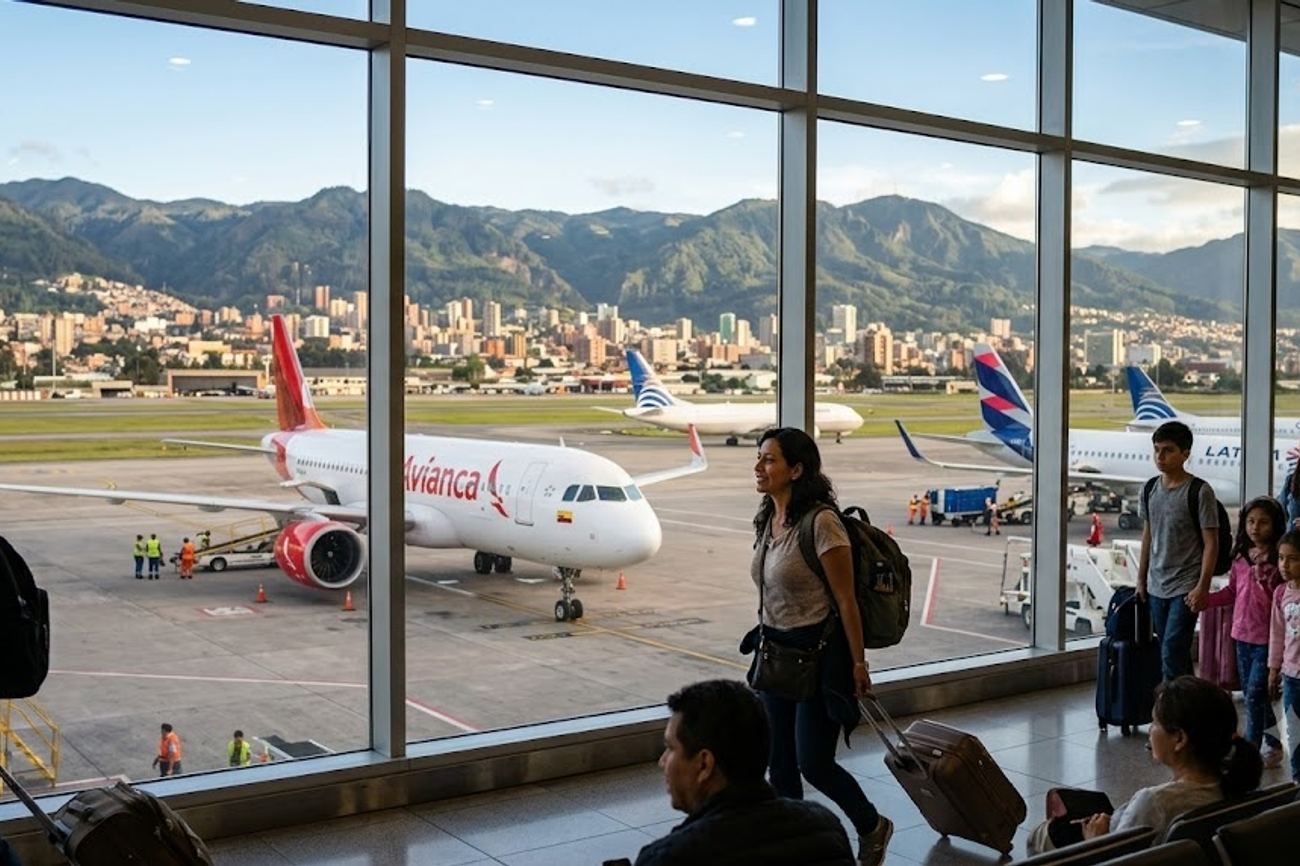
Image generated by AI
[Miami, July 2026] — Air traffic across Latin America and the Caribbean surged to 43.1 million passengers in July 2026, marking a steady climb in regional mobility.
The Latin American and Caribbean Air Transport Association (ALTA) reports that passenger volume grew by 0.7% compared to July 2025. This uptick represents an additional 310,000 travelers entering, exiting, or moving within the region, signaling sustained traveler confidence and a resilient appetite for both leisure and corporate transit.
The Drivers of July Growth
The increase is attributed to a stabilized recovery in travel demand and a strategic shift by carriers to optimize route networks. While the growth rate is more moderate than the explosive surges seen immediately following the global travel recovery, the current trajectory indicates a transition toward long-term stability.
Aviation serves as the primary economic artery for the region's diverse geography. From the coastal resorts of Mexico to the urban hubs of Brazil and the remote landscapes of Chile, the dependence on air connectivity remains absolute. The July data suggests that travelers are increasingly diversifying their destinations, moving beyond primary gateways to explore secondary cities and regional airports.
Markets and Hubs Under Impact
The growth is distributed across several key geographic segments and aviation hubs that facilitate the movement of these 43.1 million passengers.
| Market Segment | Primary Impact / Driver | Key Destinations |
|---|---|---|
| International Inbound | High reliance on North American and European markets | Caribbean islands, Mexico's coastline |
| Domestic Networks | Essential for connectivity in large territories | Brazil, Mexico, Argentina, Colombia |
| Regional Hubs | Critical transit points for multi-market connectivity | Mexico City, Bogotá, São Paulo, Lima, Santiago, Panama City |
| Emerging Markets | Distribution of visitor flows to reduce gateway pressure | Secondary regional airports |
The International Air Transport Association (IATA) and regional bodies note that this passenger flow directly feeds the broader hospitality ecosystem, including hotel occupancy, ground transportation, and local retail sectors.
Practical Traveler Advisory and Strategic Insights
For the average passenger booking a trip to the Americas or the Caribbean right now, this growth translates into several practical changes:
1. Route Availability: Airlines are aggressively adjusting capacity and schedules. Travelers are likely to find more options for "point-to-point" travel between secondary cities, reducing the need to transit through massive hubs like São Paulo or Mexico City.
2. Pricing Pressure: While airlines are expanding, they are doing so by focusing on "affordable fares" and operational efficiency. This suggests a competitive environment where budget-conscious travelers have more leverage, provided they utilize digital booking tools.
3. Airport Experience: With 43.1 million passengers moving through the system, major hubs are under pressure. Travelers should expect continued infrastructure upgrades. While this means better facilities in the long run, it may result in short-term construction delays at major terminals.
4. Flexibility: The industry is pivoting toward "flexible schedules" to meet new consumer behaviors. Passengers should look for updated fare classes that allow for easier changes, as airlines compete for the modern, agile nomad.
The Future of Regional Connectivity
The trajectory for the remainder of 2026 depends on the continued modernization of airport infrastructure and the ability of airlines to maintain a balance between domestic and international demand.
Governmental tourism bodies are now treating aviation accessibility as a foundational element of national development. In countries like Colombia and Brazil, the focus is shifting toward making domestic air travel a viable alternative to long-haul ground transport, which would further boost internal tourism and economic redistribution.
The surge in regional aviation reflects a broader trend of increased connectivity across the continent, supported by strategic infrastructure upgrades. Travelers can monitor real-time flight data and operational updates through the International Air Transport Association (IATA), which tracks global aviation standards and passenger trends.
Furthermore, the Caribbean region continues to refine its dependence on international links. By diversifying the source markets—moving beyond the US and Canada to include more European and intra-regional flights—the Caribbean aims to insulate itself from economic volatility in any single foreign market.
As airports in Panama City and Bogotá continue to evolve as "super-connectors," the efficiency of passenger processing systems will be the deciding factor in whether the region can sustain this growth without hitting operational ceilings.
FAQ: Latin America Air Travel 2026
Are flight prices increasing due to higher demand? Not necessarily. While passenger numbers are up, airlines are focusing on operational efficiency and affordable fare structures to attract a wider demographic of travelers, keeping the market competitive.
Which cities are the best hubs for connecting flights in the region? Panama City, Bogotá, Mexico City, and São Paulo remain the primary gateways. However, there is a growing trend of using secondary airports to avoid congestion at these major hubs.
Is domestic travel becoming easier in South America? Yes. Countries like Brazil and Argentina are expanding domestic routes to connect economic centers with remote tourism sites, making internal travel more accessible for foreigners and locals.
How has the passenger experience changed in 2026? There is a heavy emphasis on digital services and flexible booking. Airports are also upgrading terminals to handle the increased flow of millions of monthly passengers more efficiently.
Regional aviation is no longer just recovering; it is redesigning the economic map of the Americas.
Tags: ALTA, Latin America Aviation 2026, Caribbean Air Traffic, MEX-BOG-GRU Hubs, Regional Connectivity 2026
Related Travel Guides
Disclaimer
This article is for informational and educational purposes only. It does not constitute legal, financial, or professional advice. While we strive to provide accurate and up-to-date information, travel policies, regulations, and conditions change rapidly. Always verify information with official sources before making travel decisions. Nomad Lawyer makes no representations about the accuracy, reliability, completeness, or suitability of the information provided. Readers should consult qualified professionals for advice specific to their circumstances. The views expressed in this article are those of the author and do not necessarily reflect the views of Nomad Lawyer.
Kunal K Choudhary
Co-Founder & Contributor
A passionate traveller and tech enthusiast. Kunal contributes to the vision and growth of Nomad Lawyer, bringing fresh perspectives and driving the community forward.
Learn more about our team →