
Latest Europe Travel Advisory: Crucial New Heatwave Bans Are Taking Effect Right Now—Check Your Destinations Before Takeoff!
Europe heatwave alert: France and Spain implement public bans, school closures, and €150 fines in Bordeaux, Paris, and M

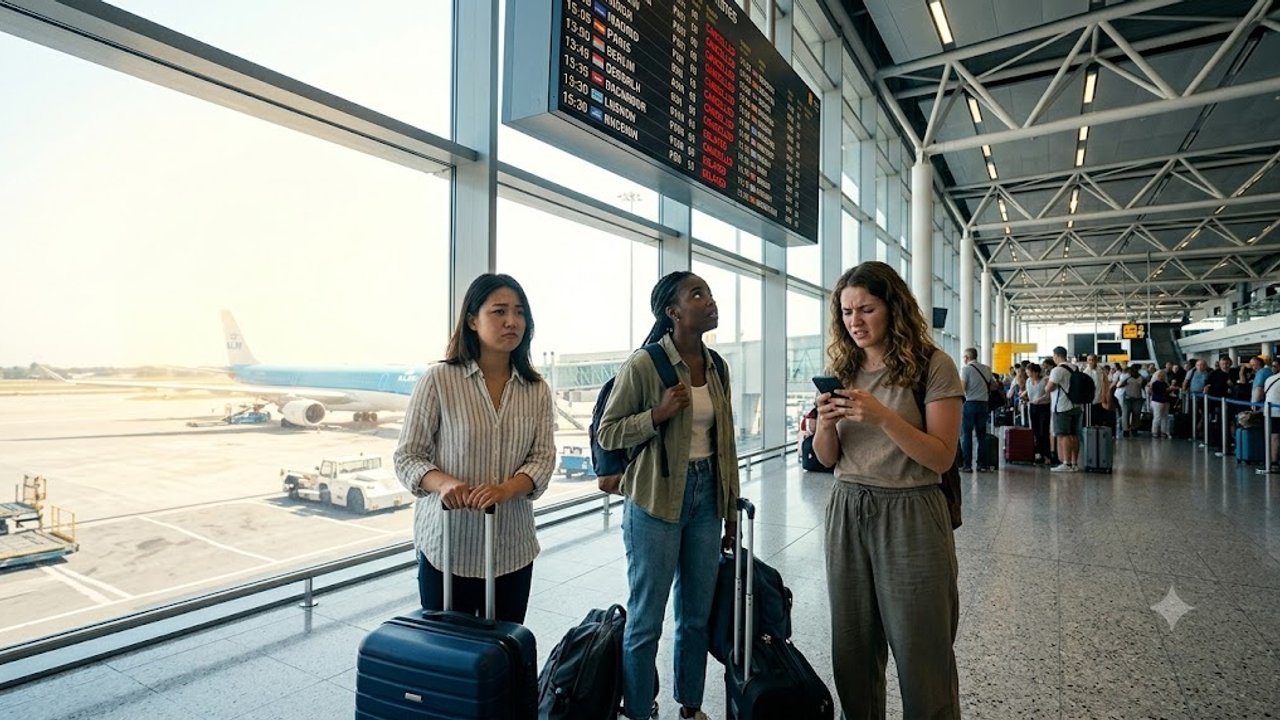
Image generated by AI
[Paris, June 24, 2026] — A massive subtropical weather system is currently triggering emergency restrictions across Western Europe, as extreme heatwaves force cities to implement public bans and school closures. An intense Saharan air mass has trapped thermal energy across the continent, leading municipal authorities in France and Spain to activate urgent safety protocols to protect both residents and international tourists.
Atmospheric Disruptions and Regional Climate Shifts
The current meteorological crisis is driven by a powerful African anticyclone that has pushed scorching air deep into the European interior. According to data from Spain’s State Meteorological Agency (AEMET) and Meteo France, this atmospheric anomaly is creating dangerous conditions that deviate significantly from traditional summer weather patterns.
Industry observers note that the scale of this heat event is compelling local governments to move beyond simple weather warnings and into the realm of active public conduct regimes. The shift is designed to mitigate the risk of heat-stroke and other thermal injuries as temperatures reach historic peaks.
Emergency Measures in Bordeaux and Paris
In France, the city of Bordeaux is currently facing some of the most severe impacts of the heatwave, with official thermometers recording temperatures as high as 42 degrees Celsius. To ensure public safety, regional administrators have taken the drastic step of shutting down school facilities. The national weather service has maintained the highest level of public danger signaling, indicating that these extreme temperatures will likely persist through the weekend.
In the capital, Paris has implemented specific emergency codes to manage the Fête de la Musique celebrations. To prevent health crises and maintain public order during the intense heat, municipal leaders have issued a strict ban on the consumption of alcohol in public spaces during the festivities.
Additionally, coastal regions from Arcachon to Deauville have introduced strict modesty ordinances. Local authorities are now imposing fines of up to 150 Euros for individuals who walk through urban areas or away from the beach without a shirt, citing a need to maintain community standards and cleanliness during the climate emergency.
Critical Weather Alerts Across Spain and the Basque Country
The environmental situation in Spain is equally precarious, with 13 of the country's 17 autonomous communities currently under orange weather alerts. The crisis is most acute in the northern Basque Country, where meteorologists have escalated the status to a full red alert. This is due to ground temperatures consistently surpassing the 40-degree Celsius threshold.
Spanish government officials have warned that these anomalies make long-distance road travel and outdoor excursions hazardous. In response, public safety departments have deployed localized hydration networks and stationed emergency medical teams near major historic monuments to provide immediate assistance to distressed visitors.
International travelers are being urged to consult the UK Government Foreign Travel Advice dashboard and other official resources to review regional restrictions before finalizing their travel plans.
Operational Shifts in Central European Transit Hubs
The reach of the African anticyclone extends beyond the Mediterranean, impacting major transit hubs in Italy, Belgium, and Germany. While flight schedules remain largely stable, transport networks are implementing real-time operational modifications to protect commuters. This includes the deployment of active cooling measures within airport terminals and railway stations.
Tourism infrastructure is also evolving to accommodate the heat. Many world-class galleries and cultural institutions have extended their operating hours into the night. This allows tourists to explore the cities during cooler evening windows, avoiding the peak thermal intensity of the midday sun.
| Region | Alert Level | Key Restriction/Impact | Max Temp Recorded |
|---|---|---|---|
| Bordeaux | High Danger | School Closures | 42°C |
| Paris | Emergency | Public Alcohol Ban (Fête de la Musique) | High |
| Basque Country | Red Alert | Extreme Outdoor Hazard | 40°C+ |
| Coastal France | Modesty Order | €150 Fine for Shirtless Pedestrians | High |
| Spain (13 Regions) | Orange Alert | Hydration Network Deployment | High |
Impact on the Global Hospitality Paradigm
The severity of these seasonal heatwaves is prompting a broader discussion among hospitality experts regarding the sustainability of traditional summer tourism. Industry analysts suggest that the "traditional" summer vacation window may no longer be viable without significant structural changes.
Experts argue that the travel sector must move toward a more climate-resilient framework. By shifting cultural events to the evening and implementing proactive safety ordinances, cities like Madrid and Bordeaux are providing a blueprint for how destinations can protect visitors while preserving their cultural heritage. This evolution suggests that flexibility and adaptation will become the primary cornerstones of international travel planning.
Essential Safety Guidelines for Travelers
For those currently visiting or planning a trip to France and Spain, officials emphasize that travel is still permitted, as no formal entry bans have been issued. However, the following health and legal precautions are strongly advised:
- Legal Compliance: Adhere to regional dress codes in coastal resorts to avoid municipal fines of up to 150 Euros.
- Thermal Protection: Use high-SPF sun protection and wear loose, light-colored clothing to minimize heat absorption.
- Hydration: Drink large quantities of water and utilize the public cooling zones established by municipal authorities.
- Scheduling: Limit high-exertion sightseeing to the early morning (before 11:00 AM) or late evening (after 6:00 PM).
The ongoing atmospheric disruption serves as a reminder that real-time monitoring via mobile applications is essential for navigating the current European summer.
As these extreme weather patterns become more frequent, the travel industry is expected to permanently shift its operational playbook, prioritizing passenger wellness and environmental adaptation over rigid seasonal schedules.
Related Travel Guides
Disclaimer
This article is for informational and educational purposes only. It does not constitute legal, financial, or professional advice. While we strive to provide accurate and up-to-date information, travel policies, regulations, and conditions change rapidly. Always verify information with official sources before making travel decisions. Nomad Lawyer makes no representations about the accuracy, reliability, completeness, or suitability of the information provided. Readers should consult qualified professionals for advice specific to their circumstances. The views expressed in this article are those of the author and do not necessarily reflect the views of Nomad Lawyer.
Preeti Gunjan
Contributor & Community Manager
A passionate traveller and community builder. Preeti helps grow the Nomad Lawyer community, fostering engagement and bringing the reader experience to life.
Learn more about our team →