
South America Emerges as Primary Long-Haul Alternative for U.S. Travelers Amid Global Instability
A significant realignment in global tourism is underway as U.S. travelers pivot toward South American destinations, driv

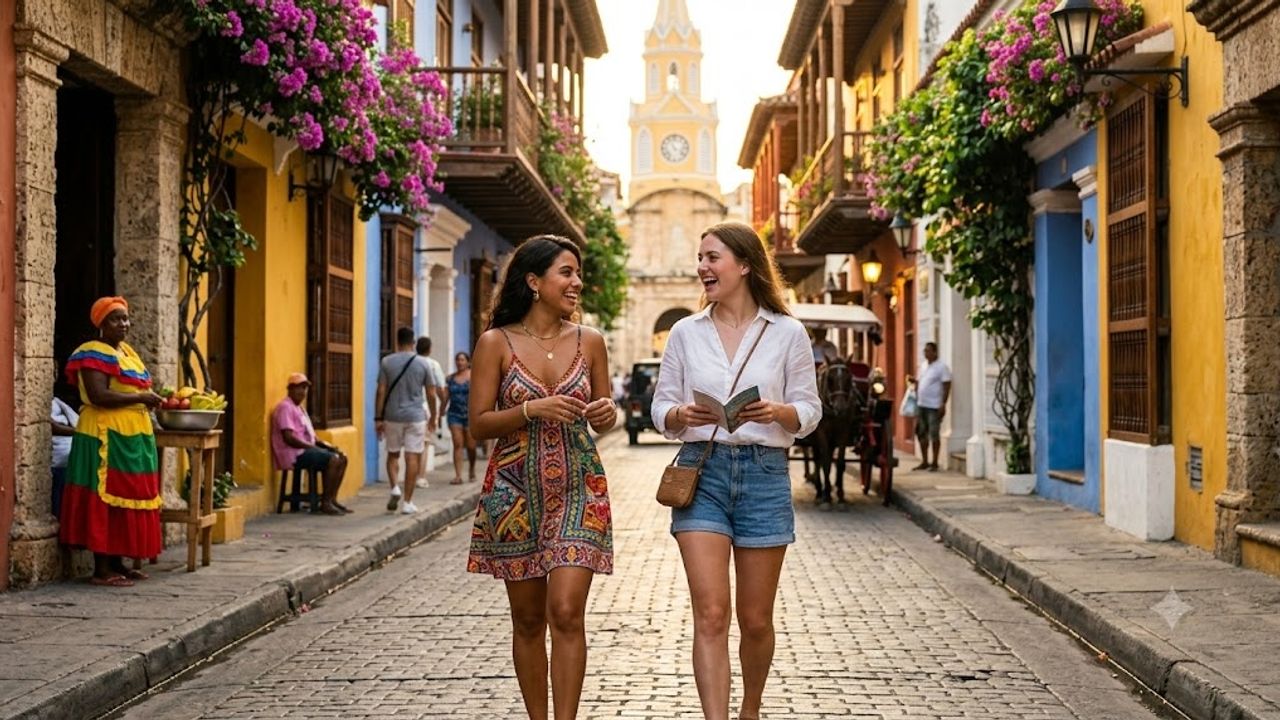
Image generated by AI
Geopolitical Shifts Drive Demand Toward South American Hubs
A major transformation in international tourism patterns is unfolding as travelers from the United States reassess their long-haul destination choices. Ongoing geopolitical volatility in the Middle East has led to heightened caution levels within the U.S. Department of State’s travel advisory framework, prompting a strategic shift in itinerary planning.
As a result, South America is increasingly positioned as a safer, diversified alternative for long-haul exploration. Nations including Colombia, Chile, Peru, and Brazil are seeing a rise in demand as travelers prioritize stability, accessibility, and favorable risk assessments over traditional routes currently affected by regional conflicts.
The Influence of the U.S. Travel Advisory System
The U.S. Department of State categorizes global destinations into four distinct risk levels, ranging from "Normal Precautions" to "Do Not Travel." This system serves as a primary decision-making tool for American outbound travelers.
In 2026, this framework continues to dictate travel flows. With several Middle Eastern destinations maintaining high-risk ratings, the comparatively stable outlook for South American countries—many of which hold Level 1 or Level 2 ratings—has accelerated a global tourism realignment.
Regional Analysis: South America’s Strategic Destinations
South America's appeal lies in its combination of robust tourism infrastructure and relative geopolitical predictability. Below is a detailed look at the key countries driving this trend:
The Stability Leaders: Chile and Uruguay
Chile is recognized as one of the region's most dependable destinations, boasting modern infrastructure and strong governance. With low-risk classifications in most areas, it attracts U.S. visitors to the Atacama Desert, Patagonia, and Santiago.
Uruguay has emerged as a discreet but highly reliable option. Consistently maintaining low risk profiles, its hubs in Montevideo and Punta del Este offer a calm, secure environment that appeals to travelers seeking predictability over mass tourism.
Cultural and Heritage Powerhouses: Peru and Argentina
Peru serves as a direct alternative to Middle Eastern heritage circuits. By utilizing structured visitor systems around Machu Picchu, Cusco, and Lima, Peru offers a regulated and safe environment for archaeological tourism.
Argentina leverages its vast geographic diversity—from the urban culture of Buenos Aires to the glaciers of Patagonia—to function as a versatile substitute for multiple travel types, including adventure and leisure.
Biodiversity and Eco-Tourism: Ecuador, Brazil, and Guyana
Ecuador is leading the shift toward ecological travel, with well-managed zones in the Galápagos Islands and the Amazon that provide a structured alternative to other global nature destinations.
Brazil remains a dominant market due to its sheer scale and developed aviation networks. While regional safety variations exist, major hubs like Rio de Janeiro and Iguazu Falls continue to draw significant U.S. long-haul demand.
Guyana represents the new frontier of "low-density" travel. Offering exclusive experiences at Kaieteur Falls and within its rainforests, it appeals to the niche market of travelers seeking untouched landscapes and minimal overcrowding.
The Repositioned Market: Colombia
Colombia has undergone a significant reputational transformation. The expansion of hospitality infrastructure in Bogotá, Medellín, and Cartagena has repositioned the country as a central player in the region's tourism narrative, proving that safety improvements can rapidly reshape global perception.
Aviation Connectivity and Infrastructure
The rise of South America as a travel substitute is underpinned by strengthened aviation corridors. Direct flights from major U.S. gateways—including Miami, New York, and Houston—to cities like São Paulo, Bogotá, Lima, and Santiago have reduced travel friction. This operational stability provides a sharp contrast to regions experiencing aviation disruptions due to conflict, making the Southern Hemisphere a more practical choice for long-haul transit.
Comparative Risk and the Shift Toward Nature
The pivot toward South America is not merely about safety, but a shift in traveler values. There is a growing preference for nature-based and sustainable experiences over traditional urban tourism. The region's diverse ecosystems—mountains, deserts, and rainforests—combined with government-backed safety frameworks, align with current global sustainability trends.
Furthermore, the increased uptake of travel insurance among U.S. citizens has made the State Department’s advisory ratings even more critical, as these ratings often influence insurance premiums and coverage terms.
Summary of Regional Travel Profiles
| Country | Primary Appeal | Risk Profile (U.S. Advisory) | Key Tourism Hubs |
|---|---|---|---|
| Chile | Stability & Infrastructure | Low / Manageable | Santiago, Patagonia, Atacama |
| Uruguay | Security & Calm | Very Low | Montevideo, Punta del Este |
| Peru | Heritage & Archaeology | Manageable / Structured | Lima, Cusco, Machu Picchu |
| Ecuador | Biodiversity & Eco-Tourism | Moderate / Managed | Galápagos, Amazon |
| Brazil | Scale & Diversity | Regional Variation | Rio de Janeiro, Iguazu Falls |
| Argentina | Culture & Natural Landscapes | Manageable | Buenos Aires, Patagonia |
| Guyana | Low-Density Eco-Tourism | Stable / Niche | Kaieteur Falls, Rainforests |
| Colombia | Urban Recovery & Culture | Variable / Improving | Bogotá, Medellín, Cartagena |
Key Takeaways
- Risk Diversification: U.S. travelers are substituting volatile Middle Eastern routes with more stable South American destinations.
- Advisory-Driven: The U.S. Department of State’s risk levels are a primary driver of this shift in destination selection.
- Connectivity Gains: Increased direct flights from U.S. hubs (Miami, NYC, Houston) have made the region more accessible.
- Eco-Tourism Pivot: A global trend toward sustainable and nature-based travel is boosting demand for Ecuador, Peru, and Guyana.
- Infrastructure Growth: Improved safety policing and hospitality expansion in countries like Colombia are enhancing regional competitiveness.
FAQ
Why is South America becoming a substitute for Middle Eastern travel? Due to geopolitical instability and higher U.S. State Department travel advisories in parts of the Middle East, travelers are seeking regions with more predictable safety profiles and similar cultural or heritage appeal.
Which South American countries are considered the safest for U.S. tourists? According to general advisory trends, Uruguay and Chile are among the most stable, while countries like Peru and Ecuador offer highly structured and managed tourism zones.
How has aviation impacted this trend? Enhanced direct connectivity from major U.S. hubs to South American cities has reduced travel friction and made the region a more viable long-haul alternative.
Related Travel Guides
Disclaimer
This article is for informational and educational purposes only. It does not constitute legal, financial, or professional advice. While we strive to provide accurate and up-to-date information, travel policies, regulations, and conditions change rapidly. Always verify information with official sources before making travel decisions. Nomad Lawyer makes no representations about the accuracy, reliability, completeness, or suitability of the information provided. Readers should consult qualified professionals for advice specific to their circumstances. The views expressed in this article are those of the author and do not necessarily reflect the views of Nomad Lawyer.
Kunal K Choudhary
Co-Founder & Contributor
A passionate traveller and tech enthusiast. Kunal contributes to the vision and growth of Nomad Lawyer, bringing fresh perspectives and driving the community forward.
Learn more about our team →