Las Olas Beach Fort Lauderdale Visitor Guide: Parking, Access, and Dining Tips for 2026

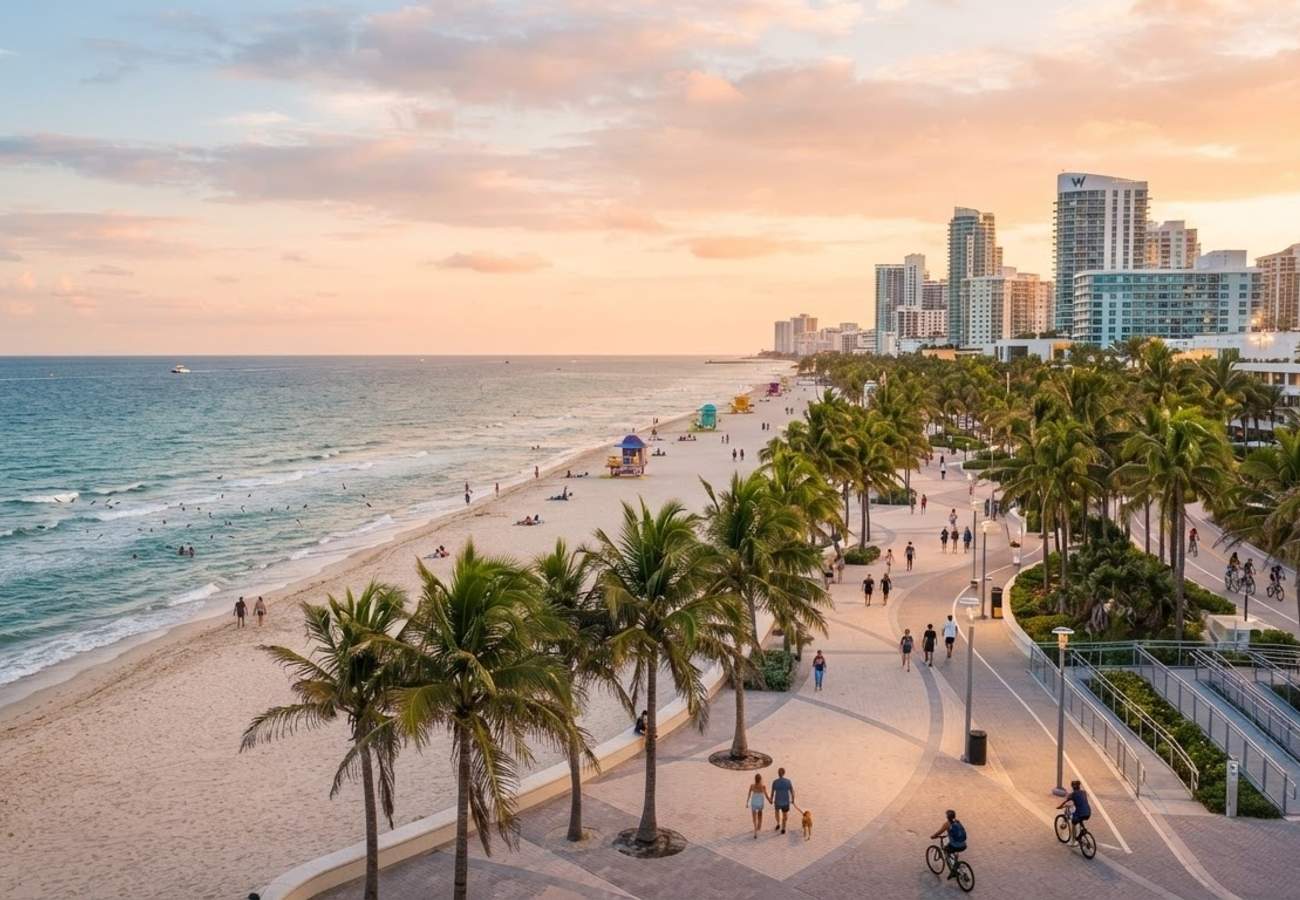
Image generated by AI
Las Olas Beach serves as the primary gateway for first-time Fort Lauderdale visitors, blending a high-energy waterfront promenade with a relaxed Atlantic shoreline.
Located at the intersection of Las Olas Boulevard and State Road A1A, this zone acts as the unofficial center of Fort Lauderdale Beach. For those unfamiliar with the geography, it is vital to distinguish between the two "Las Olas" areas: the downtown district (west of the Intracoastal), known for galleries and boutiques, and the beach section (east of the Intracoastal), where the sand and surf are located.
The transit time between the downtown restaurant district and the beach typically ranges from 10 to 15 minutes, depending on drawbridge openings and traffic congestion.
Beach Access and A1A Logistics
Access to the shoreline is public and straightforward. Visitors can enter the sand via Las Olas Oceanside Park or by crossing A1A from the sidewalk. The area is designed for accessibility, featuring ramps rather than just stairs to accommodate strollers, wheelchairs, and beach carts.
The beachfront promenade is a paved, palm-lined pathway running parallel to A1A. A full stroll from the Las Olas intersection toward Sunrise Boulevard and back covers approximately 1.5 to 2 miles. This route is optimized for pedestrians, cyclists, and scooter users.
A1A serves as the primary coastal artery. The ocean side contains lifeguard stands and the promenade, while the inland side hosts a dense concentration of hotels, cafes, and convenience stores.
Parking and Transportation Analysis
Parking is the most significant logistical challenge for visitors. The area is one of the city's highest-traffic beachfront corners.
- Las Olas Garage: This multi-story public facility is the most reliable option for day-trippers. It is located just inland of the beach and provides a short walk to Las Olas Oceanside Park.
- On-Street Parking: Metered spaces and pay-by-app spots are available along A1A. These are highly contested during peak winter weekends and major events like the Fort Lauderdale Air Show or July 4th celebrations.
- Rideshares: Uber and Lyft are the most efficient ways to avoid parking fees. Drop-off points are typically located on the inland side of A1A near hotel entrances.
- Local Shuttles: Electric carts and small shuttle services operate between the beach and downtown Las Olas.
Dining and Accommodations
The culinary landscape around Las Olas Beach is split between casual beachfront fare and high-end resort dining.
Casual Options: Open-air spots along A1A specialize in tropical cocktails, fish tacos, and grilled mahi sandwiches.
- Price Point: Fish sandwiches or burgers generally range from the mid-teens to low twenties.
- Cocktails: Typically start in the mid-teens.
Upscale Options: The W Fort Lauderdale and The Ritz-Carlton offer signature restaurants focusing on sushi and chef-driven seafood. These venues generally require a higher dress code for evening service.
Hotel Landscape: The A1A corridor is anchored by major brands including the Hilton Fort Lauderdale Beach Resort, The Ritz-Carlton, and W Fort Lauderdale to the north, and the Bahia Mar area to the south.
Local Amenities Overview
| Feature | Detail | Note |
|---|---|---|
| Primary Hub | Las Olas Oceanside Park | Hosts farmers markets, concerts, and movies |
| Main Road | State Road A1A | Primary north-south coastal artery |
| Promenade Length | 1.5 to 2 miles (round trip) | Paved and bike/scooter friendly |
| Key Landmarks | Las Olas Boulevard Drawbridge | Connects downtown to the beach |
Why This Matters: Industry Implication
From a logistical perspective, Las Olas Beach represents a specific model of "managed tourism." Unlike the sprawling nature of some Florida coasts, this area is highly compact. For the traveler, this means the "last mile" of the journey—getting from the car to the sand—is where the most friction occurs.
Our analysis of the layout suggests that the reliance on the Las Olas Garage and A1A meters creates a bottleneck. Visitors who prioritize rideshares or stay at the beachfront resorts (like the W or Ritz-Carlton) gain a significant time advantage over those attempting to park on-street during peak season. Furthermore, the distinction between "Downtown Las Olas" and "Beach Las Olas" is a common point of confusion that can lead to unnecessary transit delays for first-timers.
Forward Outlook
Expect continued intensification of the "pedestrian-first" approach along the A1A promenade. As Fort Lauderdale continues to compete with Miami's South Beach, the focus will likely shift toward increasing the density of "walkable" amenities between the beach and the Intracoastal. Visitors should anticipate higher parking premiums during the 2026-2027 peak winter season and should plan for bridge-related traffic delays when moving between the downtown and beachfront sectors.
The key to a seamless visit is avoiding the A1A parking hunt and leveraging the Oceanside Park hub.
Related Travel Guides
This article is for informational purposes. Flight routes, passenger regulations, visa rules, and transit advisories are subject to change by airlines and aviation authorities. Readers are advised to verify schedules and travel documentation with relevant carriers and border agencies before departure.
Related Stories

South America Emerges as Premier Long-Haul Choice for European Travelers in 2026: Cultural and Luxury Travel Guide

United Airlines Launches Nonstop Newark to St. Croix Flights: US Virgin Islands Travel Guide and Crucian Heritage