
LaGuardia Meltdown: Hundreds of Flights Disrupted Across Networks
LaGuardia Airport's laguardia meltdown hundreds cascade across North America as 249 delays and 22 cancellations cripple Delta, American, JetBlue and Air Canada in April 2026, affecting Caribbean and Canadian routes.

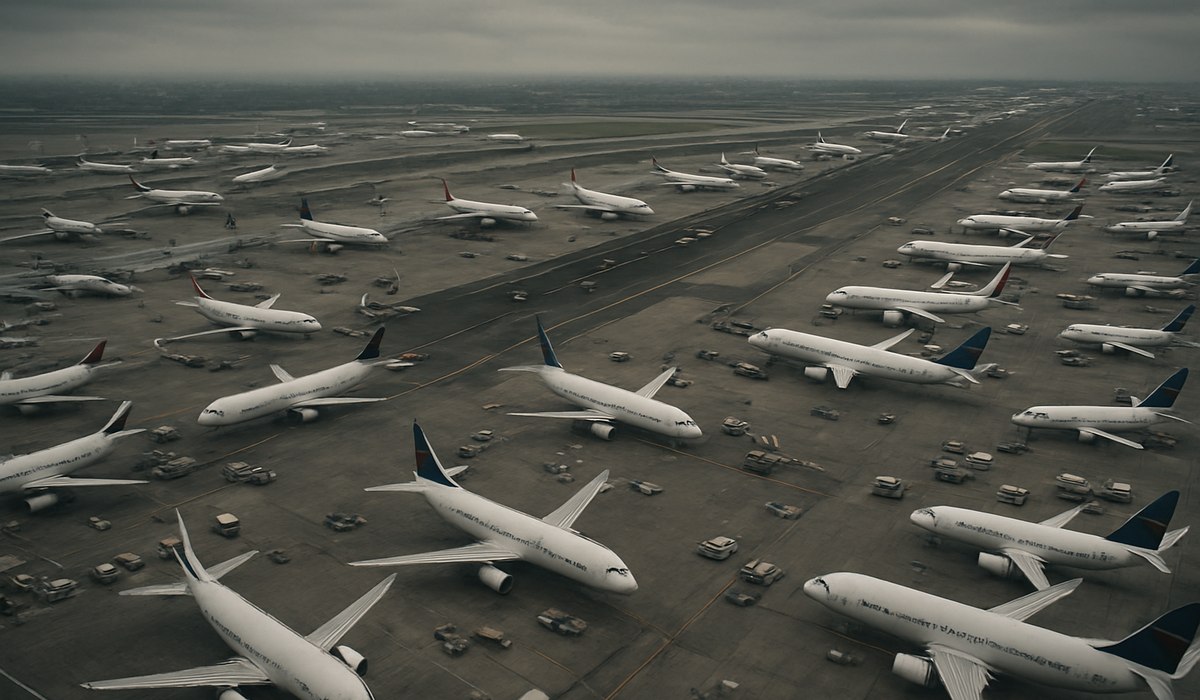
Image generated by AI
LaGuardia's Slot-Controlled Bottleneck Triggers Cascading Disruptions
LaGuardia Airport descended into operational chaos on April 7, 2026, recording 249 flight delays and 22 cancellations that rippled across North American networks during peak spring travel season. The disruption crippled connections on major carriers including Delta Air Lines, American Airlines, JetBlue, and Air Canada, affecting routes spanning U.S. domestic hubs, Canadian gateways, and Caribbean leisure destinations. The laguardia meltdown hundreds of passenger impact underscores how slot-controlled operations at America's most constrained major airport can transform localized delays into systemwide scheduling disasters within hours.
The cascade originated from LaGuardia's inherent operational constraints. The airport's tightly managed slot allocation leaves minimal buffer capacity when conditions deteriorate. Once initial delays accumulate, runway capacity limits and ground-delay programs compound the problem, forcing aircraft to queue on tarmacs at origin airports and compress crew duty cycles. Spring peak season amplified the crisis—aircraft and crews operating at near-maximum utilization meant that early-morning delays automatically cascaded through subsequent rotations across the entire day.
Which Routes Were Hit Hardest: Chicago, Miami, Toronto and Nassau Connections Devastated
The laguardia meltdown hundreds disrupted dozens of specific routes across three geographic corridors. Chicago-bound flights experienced some of the longest delays, with multiple Delta and American Airlines services held on the ground or arriving 90 minutes to three hours behind schedule. The frequency of this corridor—one of the busiest domestic routes in North America—meant that stranded passengers faced cascading missed connections to the Midwest, Rocky Mountains, and West Coast.
Miami connections absorbed equally severe impacts. American Airlines and JetBlue, both major operators on the New York–Florida market, reported elevated delays on leisure and visiting-friends-and-relatives traffic. Passengers booked on onward connections in South Florida often missed their connections, forcing rebookings onto later evening flights where seat availability remained limited.
Transborder operations to Toronto, another critical LaGuardia bottleneck, saw both delays and outright cancellations. Air Canada's dense schedule on this route—one of North America's busiest international corridors—meant that disruptions immediately cascaded into downstream long-haul connections to Europe, the Caribbean, and Asia via Toronto Pearson. Nassau leisure flights on JetBlue similarly showed concentrated delays rather than cancellations, creating crowded terminals filled with passengers awaiting rebooked flights.
The Ripple Effect: How Local Delays Broke Long-Haul Connections and Stranded Passengers
The laguardia meltdown hundreds extended far beyond New York. A single three-hour delay on an early-morning rotation from LaGuardia to Toronto immediately jeopardized passengers booked on same-day long-haul connections. Air Canada's transatlantic and transpacific schedule relies heavily on Toronto Pearson as a consolidation point—missing that connection often meant overnight stays or rebookings two to three days in the future during peak season.
Short-haul operators absorbed disproportionate impact. Aircraft scheduled for multiple daily rotations—LaGuardia to Chicago and back, or LaGuardia to Miami and back—experienced compressed duty cycles. When the first rotation delayed, crews approached mandatory rest requirements faster, forcing cancellations on subsequent segments. This cascading crew-timing issue extended disruptions well beyond the initial operational constraint.
Passengers in crowded terminals faced compounding challenges: rebooked on partner carriers, placed on flights via alternative hubs (sometimes adding six-plus hours), or offered hotel vouchers for overnight delays. The ripple extended to ground transportation—rental car queues, ride-share wait times, and hotel availability all tightened as disrupted passengers scattered across alternative travel dates.
What Airlines Face: Delta, American, JetBlue and Air Canada Battle Spring Peak Season
Delta Air Lines absorbed the largest volume of delays and cancellations during the laguardia meltdown hundreds, with regional partners experiencing cascading crew timeouts on high-frequency business routes. Delta's density at LaGuardia—a critical hub connector to Atlanta, Boston, and Cincinnati—meant that local disruption immediately compressed network-wide crew and aircraft positioning.
American Airlines reported significant delays on Florida-bound services and Chicago connections, two of its largest LaGuardia markets. The carrier's crew-rest infrastructure at LaGuardia, while robust compared to legacy competitors, still faced compression when morning delays stacked into afternoon rotations. Many passengers experienced three-to-six-hour total delays across multiple legs.
JetBlue's leisure-focused schedule meant that most disruptions manifested as significant delays rather than cancellations—the carrier's competitive capacity utilization left limited slack for rerouting. However, delayed aircraft at LaGuardia created downstream compression on afternoon and evening leisure flights to Florida and the Caribbean.
Air Canada faced transborder complexity. Canadian regulatory environment and bilateral air service agreements mean LaGuardia disruptions cannot simply shift to U.S. alternative airports. Delayed passengers headed to Toronto faced rebookings on limited Air Canada capacity, creating overnight backlog for Asia and Europe connections. The carrier's reliance on LaGuardia-Toronto feeder traffic for long-haul connections amplified passenger impact across its transpacific and transatlantic networks.
LaGuardia's Operational Constraints: Runway Capacity and Safety Protocols
LaGuardia's latest laguardia meltdown hundreds reflected deeper structural constraints. The airport operates under tightly managed slot controls—peak-hour slots are allocated by the FAA to optimize runway utilization and airspace separation standards. However, this system leaves virtually zero buffer capacity. Once delays begin, the ground-delay-program system kicks in, capping arrivals and departures per hour and effectively spreading chaos across hours.
Recent safety incidents intensified restrictions. An Air Canada Express collision with ground equipment prompted the FAA to implement single-runway operations periods and more conservative separation standards. While these measures reduced immediate safety risks, they capped throughput during peak hours and forced cascading delays when weather, staffing, or other operational constraints emerged.
FAA air-traffic-control staffing challenges exacerbated the crisis. Peak-season demand for controller resources at LaGuardia—and across the busy Northeast Corridor—strained existing personnel. The agency implemented recurring ground-delay programs to ensure controller workload remained manageable while maintaining safe separation standards.
Key Operational Impacts and Network Effects
| Metric | Value | Impact |
|---|---|---|
| Total Delays | 249 flights | Cascaded across North American networks |
| Cancellations | 22 flights | Primarily crew-timing driven |
| Maximum Delay Duration | 3+ hours | Resulted in missed connections |
| Primary Affected Routes | Chicago, Miami, Toronto, Nassau | High-frequency corridors hit hardest |
| Peak-Season Context | Spring 2026 travel surge | Aircraft/crew utilization at 95%+ |
| Runway Operations | Single-runway periods implemented | Ground-delay program activated |
What This Means for Travelers: Actionable Response Guide
Traveler Action Checklist
-
Monitor flight status in real-time using FlightAware or your airline's mobile app—updates occur every 5-10 minutes during active disruptions.
-
Request rebooking immediately upon delay announcement before airline standby lists exceed 100 passengers; alternative routing via different airports may save 4-6 hours of total travel time.
-
Document delay length and times in writing (email to airline) to support compensation claims; EU261-style passenger rights vary by jurisdiction
Disclaimer
This article is for informational and educational purposes only. It does not constitute legal, financial, or professional advice. While we strive to provide accurate and up-to-date information, travel policies, regulations, and conditions change rapidly. Always verify information with official sources before making travel decisions. Nomad Lawyer makes no representations about the accuracy, reliability, completeness, or suitability of the information provided. Readers should consult qualified professionals for advice specific to their circumstances. The views expressed in this article are those of the author and do not necessarily reflect the views of Nomad Lawyer.
Kunal K Choudhary
Co-Founder & Contributor
A passionate traveller and tech enthusiast. Kunal contributes to the vision and growth of Nomad Lawyer, bringing fresh perspectives and driving the community forward.
Learn more about our team →