
Major Hubs Wave Hits Six US Airports With 200+ Flight Delays
A major hubs wave of flight disruptions cascaded across six critical US airport gateways on May 9, 2026, leaving 200+ flights delayed and dozens cancelled nationwide. Operational strain and weather pressures created cascading effects for passengers.

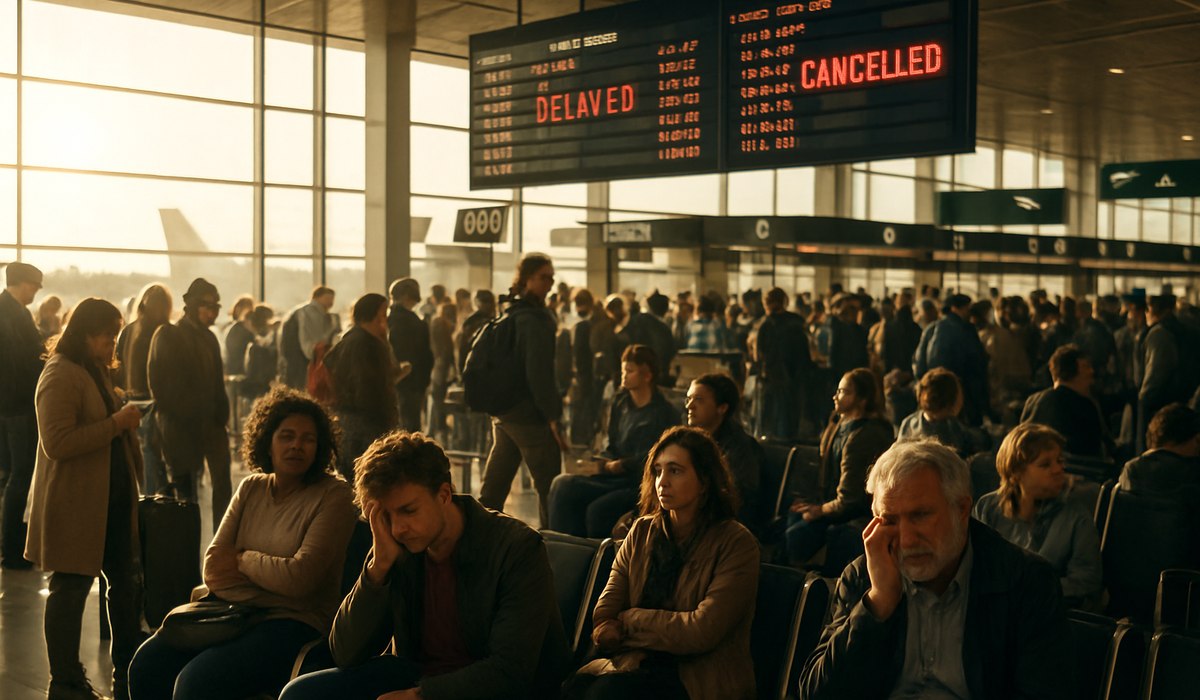
Image generated by AI
Cascading Disruptions Strike America's Most Critical Airport Hubs
A major hubs wave of operational disruptions struck six of the nation's busiest airports simultaneously on May 9, 2026, resulting in more than 200 flight delays and dozens of cancellations across the US aviation network. Hartsfield-Jackson Atlanta International, Chicago O'Hare, Los Angeles International, New York's John F. Kennedy, Miami International, and San Francisco International all experienced significant schedule disruptions. The cascade affected both domestic and international routes, with knock-on impacts spreading to secondary airports as aircraft fell out of position and crew duty times expired. Travelers nationwide faced missed connections, unexpected overnight stays, and rebooking challenges as airlines scrambled to stabilize operations.
Disruption Spreads Across Six Major US Gateways
The major hubs wave began early morning and intensified through midday as flight-tracking systems documented the expanding disruption pattern. Los Angeles International reported clusters of cancellations alongside growing queues of delayed departures on westbound and eastbound services. In the Northeast, John F. Kennedy experienced compounding delays as inbound aircraft arrived late, cascading into afternoon departure disruptions. Miami International and Hartsfield-Jackson Atlanta saw schedules pushed back systematically as airlines adjusted crew rotations and air traffic control managers reduced takeoff rates. Chicago O'Hare, historically America's most delay-prone major hub, again experienced significant timetable pressure affecting both United and American Airlines operations. San Francisco International reported delays affecting both Pacific and transcontinental routes. Flight-tracking dashboards like FlightAware documented the expanding disruption in real time, showing how the major hubs wave rippled across the network's interconnected systems.
Operational Strain and Cascading Effects
Industry analysis reveals how tight schedules, elevated passenger volumes, and operational constraints combine to create systemic vulnerabilities. Modern US aviation operates with minimal buffer capacity—roughly 75 percent of flights at major hubs typically arrive on schedule during normal conditions, leaving little margin for disruption. When modest weather events, such as scattered thunderstorms or low cloud ceilings, strike even one or two critical hubs, air traffic managers must reduce takeoff and landing rates immediately. This capacity reduction forces carriers to make difficult choices: proactively cancel flights to prevent worse gridlock, or allow cascading delays throughout the day.
The major hubs wave illustrated how structural staffing pressures amplified operational strain. Shortages of air traffic controllers and maintenance personnel reduce recovery capacity during disruptions. When aircraft require unscheduled maintenance or crews reach federally mandated duty-time limits, schedules unravel rapidly—particularly at connection-heavy facilities like Atlanta and O'Hare where multiple flight banks must depart within narrow time windows. Airlines design hub operations around precise connections; even 15-minute delays at one gateway can strand passengers at downstream hubs. The cascading effect transforms a localized issue into a nationwide disruption pattern affecting hundreds of thousands of travelers.
Passenger Impact and Rebooking Challenges
For travelers on the ground, the major hubs wave translated into extended airport delays, missed connections, and substantial rebooking complications. Passengers connecting through Atlanta, Los Angeles, and Chicago reported cascading cancellations as their inbound flights arrived late enough to make downstream connections impossible. Airlines rerouted stranded travelers through alternative hubs, often adding 3-6 hours to journey times. At customer service counters, queues extended throughout terminals as travelers sought meal vouchers, hotel accommodations, and rebooking options.
The rebooking challenge proved particularly acute at hub airports where multiple flight banks operate within tight connection windows. When one departure bank experiences delays, subsequent waves of connections face the same aircraft and crew constraints. Airlines shifted eligible passengers onto competitors' flights, redirected international travelers through less-affected gateways, and offered vouchers for overnight hotels. Mobile tracking apps became essential tools as passengers monitored gate changes, seat availability updates, and real-time rebooking notifications. Families and business travelers found their carefully planned itineraries disrupted, while international visitors faced extended stays and missed ground connections.
Weather and Scheduling Pressures
May weather patterns across the continental US created the operational backdrop for the major hubs wave. While no severe thunderstorms or blizzards were reported, scattered convection and wind gusts affected departure procedures at multiple hubs simultaneously. The FAA manages traffic flow through complex coordination between regional control centers, and weather impacts at any major hub immediately reduce national throughput capacity.
Seasonal staffing challenges compounded weather-related pressures. Spring represents high-demand travel season, with schools planning breaks and leisure travel increasing substantially. Airlines scheduled flights at near-maximum capacity, leaving minimal flexibility to absorb disruptions. Maintenance requirements and controller shift rotations further reduced available operational buffer. These combined pressures meant that weather conditions that might have caused modest delays during low-demand periods created the major hubs wave seen on May 9.
Traveler Action Checklist
If you're traveling through major US hubs during disruption periods, follow these essential steps:
- Monitor flight status proactively using FlightAware or your airline's official app at least two hours before departure
- Check for schedule changes through official airline communications rather than relying solely on airport signage
- Understand your passenger rights by reviewing US DOT consumer protection guidelines regarding meal vouchers and accommodations
- Contact your airline immediately if your flight is cancelled to understand rebooking options before customer service lines grow
- Document delays exceeding two hours with boarding passes and receipts for potential compensation claims
- Consider travel insurance for future trips through major hubs during seasonal high-demand periods
- Build extra connection time (minimum 2-3 hours) when booking through Atlanta, Chicago, Los Angeles, and New York hubs
Operational Impact Summary
| Metric | Details |
|---|---|
| Total Flights Delayed | 200+ across six major hubs |
| Primary Airports Affected | Atlanta, Chicago, Los Angeles, JFK, Miami, San Francisco |
| Cancellations Reported | Dozens of flights removed from schedule |
| Peak Disruption Period | Late morning through early evening May 9 |
| Passenger Connection Misses | Hundreds stranded due to missed onward flights |
| Airlines Impacted | Major carriers including United, American, Delta, Southwest |
| Rebooking Status | Multi-day delays for some international routes |
| Cause Factors | Operational strain, weather, staffing constraints |
| Expected Recovery Timeline | Operations normalized by following day |
What This Means for Travelers
The major hubs wave demonstrates that even without severe weather events, the nation's busiest airports operate with insufficient resilience buffers. Travelers connecting through Atlanta, Chicago, Los Angeles, JFK, Miami, or San Francisco should expect potential disruptions during peak travel periods and implement these protective measures:
Build extended connection windows when booking itineraries through major hubs—two to three hours minimum rather than the industry-standard 60 minutes. Download official airline apps before travel to receive real-time notifications of schedule changes. Understand that during major hubs wave disruptions, airlines prioritize revenue-generating flights and frequent flyer elites for rebooking; standard economy passengers may experience multi-day delays. Purchase travel insurance covering flight cancellations and delays for trips involving hub connections. Monitor weather forecasts for the week before travel; spring convection season (April-June) creates elevated disruption risk nationwide.
Frequently Asked Questions
Q: What causes the major hubs wave disruption pattern? A: Multiple factors combine: tight flight schedules with minimal buffer capacity, high seasonal passenger volumes, air traffic control staffing constraints, aircraft maintenance requirements,
Disclaimer
This article is for informational and educational purposes only. It does not constitute legal, financial, or professional advice. While we strive to provide accurate and up-to-date information, travel policies, regulations, and conditions change rapidly. Always verify information with official sources before making travel decisions. Nomad Lawyer makes no representations about the accuracy, reliability, completeness, or suitability of the information provided. Readers should consult qualified professionals for advice specific to their circumstances. The views expressed in this article are those of the author and do not necessarily reflect the views of Nomad Lawyer.
Preeti Gunjan
Contributor & Community Manager
A passionate traveller and community builder. Preeti helps grow the Nomad Lawyer community, fostering engagement and bringing the reader experience to life.
Learn more about our team →