
Logan Airport Disruptions: 65 Flights Delayed Across Major Carriers April 2026
Logan airport disruptions affected 65 flights on April 11, 2026, as weather and air traffic control constraints cascaded delays across major carriers serving Boston's key Northeast gateway.

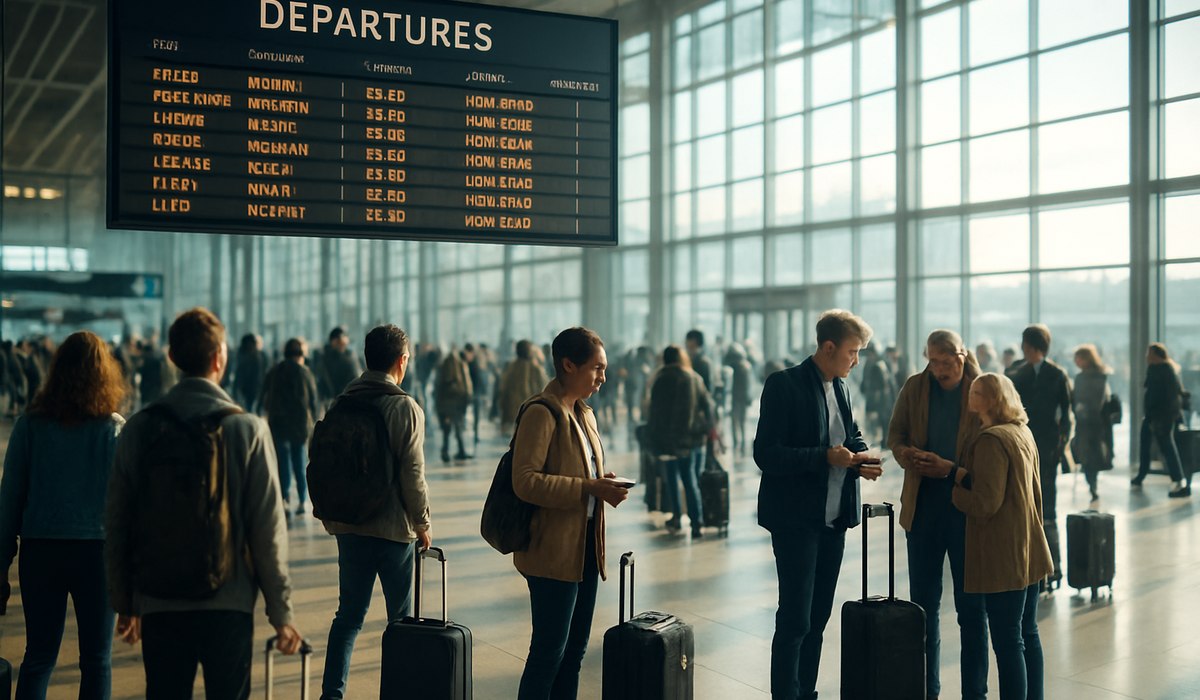
Image generated by AI
Boston Logan Airport Hit by 65 Flight Disruptions on April 11
Boston Logan International Airport experienced significant operational strain on April 11, 2026, when 65 flights faced delays across multiple major carriers, disrupting travel plans for thousands of passengers at New England's busiest aviation hub. The disruption rippled through both domestic and international services, affecting short-haul regional flights alongside long-haul transatlantic operations. Weather systems combined with air traffic control constraints created cascading delays that extended throughout the day, reflecting broader nationwide April travel challenges affecting the entire U.S. aviation network.
Mixed Day of Disruptions at a Key Northeast Gateway
Logan airport disruptions on April 11 stemmed from a combination of operational factors compounding each other. Real-time flight tracking data indicated 65 delayed flights, with a smaller subset experiencing cancellations and diversions throughout business hours. While most affected flights eventually departed, the majority left significantly behind schedule, creating knock-on effects for subsequent rotations and evening arrival waves.
The airport maintained operational status through the day, deploying traffic management programs to meter arrivals and departures rather than implementing full closure protocols. Federal air traffic control implemented spacing requirements between aircraft, allowing the airport to continue processing traffic but at extended waiting times for passengers. This approach prevented complete gridlock but couldn't eliminate the compounding delays affecting connections at downstream hubs.
Logan airport disruptions demonstrated how individual airport capacity challenges amplify across the broader network. Aircraft and crews assigned to delayed flights couldn't reach their next scheduled departure points on time, creating secondary disruptions at connecting cities. Passengers booked on tight connection windows faced particular vulnerability to missing onward flights.
Major Carriers Affected by Logan Airport Disruptions
The April 11 disruptions were broadly distributed rather than concentrated on a single carrier. Delta Air Lines, JetBlue Airways, United Airlines, and other major domestic network carriers all registered significant delayed operations at Logan. International carriers including British Airways, Lufthansa, and Air Canada experienced delays on select transatlantic and continental routes serving Boston.
Some of the longest delays occurred on high-traffic corridors connecting Boston to major hubs including New York (LaGuardia, Newark, JFK), Atlanta, Washington D.C., and European destinations. These routes handle dense traffic flows where congestion cascades quickly through the schedule. Regional operators and codeshare partners felt the impact acutely, as mainline carriers reallocated limited departure slots to larger, higher-revenue aircraft during the disruption window.
Carriers with expanded Boston capacity from recent years faced intensified operational impact, as more aircraft and crew resources were tied to the airport when disruptions occurred. This expanded presence at Logan, while supporting competitive routes and increased frequencies, meant more assets were simultaneously affected by weather and traffic control constraints.
Nationwide April Disruption Backdrop
Logan airport disruptions fit into a broader pattern of springtime strain across U.S. aviation in April 2026. The Federal Aviation Administration reported multiple days this month with several thousand delayed flights nationally, driven by storm systems interacting with full schedules at major hubs. Boston appeared repeatedly in early April weather delay reports alongside New York area airports (LaGuardia, Newark), Philadelphia International, and Washington Dulles, where low cloud ceilings and variable wind conditions repeatedly reduced runway capacity.
Instrument flight rules conditions—when ceiling and visibility minimums force aircraft to operate without visual reference—significantly reduce airport throughput. Even brief periods of IFR operations trigger arrival queues and ground holds for departures. Earlier in the week, East Coast disruptions tied to major carriers generated hundreds of cancellations and thousands of delays across multiple regional hubs, establishing a pattern of cascading delays leading to April 11's Logan disruptions.
Structural pressures in airline schedules amplified the disruption severity. Carriers operating with optimized schedules, having trimmed non-peak flights while maintaining high utilization on core routes, left minimal buffer capacity. When weather or air traffic constraints emerged, the compressed schedule meant even modest delays compounded rapidly into significant gaps.
Operational Management and Cascading Delays
Air traffic control constraints at Boston and surrounding Northeast airports directly contributed to April 11's disruptions at Logan. Boston airspace handles significant traffic density, with multiple carriers competing for limited runway capacity and departure corridors. When weather reduced operations capacity, air traffic control implemented ground delay programs—holding aircraft at gates before departure—to manage arrival queues safely.
These ground delay programs, while preventing dangerous conditions, extended passenger wait times and disrupted aircraft rotation schedules. An aircraft delayed one hour on an inbound flight arrives one hour late, immediately affecting its next scheduled departure. With tight turnaround times typical at major hubs, cascading delays spread quickly through subsequent flight rotations.
Operational bottlenecks concentrated on specific routes and times of day. Morning and afternoon peak periods experienced the most severe delays, as limited capacity intersected with maximum passenger demand. Evening operations remained affected as the airport worked through accumulated delays from earlier in the day, preventing full schedule recovery by evening hours.
For real-time information on operational status, visit FlightAware to track specific flight progress and current delays. The FAA provides official airport operational information and ground delay program details.
Impact on Travelers and Connections
Passengers experienced extended gate holds, crowded departure lounges, and significant challenges making tight connections. Those booked on connecting flights faced high risk of missing onward departures, particularly on routes through Atlanta and New York hubs where Logan's delayed arrivals compounded with existing congestion.
Travelers stranded by missed connections required airline rebooking on later flights or alternative routes, extending travel times by several hours in many cases. Hotel accommodations at connecting cities became scarce as disruptions rippled through the network, leaving some passengers overnight without lodging. International passengers on transatlantic connections faced particular hardship, as delayed Boston arrivals pushed them past their European connection departure times by hours.
Airlines activated customer service protocols including meal vouchers, hotel arrangements, and rebooking options. However, system-wide disruptions meant rebooking alternatives were themselves delayed, forcing some passengers to wait extended periods for alternative flights. Airlines waived change fees for affected passengers, though alternative routing options were limited during peak disruption hours.
Traveler Action Checklist
If you're booked on flights from Boston Logan during disruption periods, follow these steps:
-
Check real-time flight status on FlightAware or your airline's app before departing for the airport.
-
Arrive early (3 hours for international, 2 hours for domestic) if conditions show delays, as airports handle backed-up traffic slowly.
-
Verify connection time against actual arrival projections; contact your airline immediately if connection time drops below safe minimums.
-
Confirm hotel and ground transportation reservations if delays push arrival to evening hours.
-
Document all expenses (meals, hotels, transportation) incurred due to airline-caused delays for potential compensation claims.
-
Check baggage routing to confirm your luggage will reach your final destination if rebooking requires alternative routing.
-
Review passenger rights on the U.S. Department of Transportation website for compensation eligibility based on delay length and cause.
-
Have contact information for your airline's customer service and travel insurance provider readily available.
What This Means for Travelers
April weather patterns and air traffic constraints create predictable disruption risks at Northeast airports including Boston Logan. Passengers planning spring travel should build buffer time into connections, especially when routing through major hubs. Checking weather forecasts for your origin and destination, not just the airport where you're traveling, helps anticipate potential delays.
Travel insurance becomes particularly valuable during April given elevated disruption probability. Policies covering missed connections, hotel costs, and meal expenses provide financial protection when operational challenges extend travel duration. Flexible booking options—paying for refundable fares—
Disclaimer
This article is for informational and educational purposes only. It does not constitute legal, financial, or professional advice. While we strive to provide accurate and up-to-date information, travel policies, regulations, and conditions change rapidly. Always verify information with official sources before making travel decisions. Nomad Lawyer makes no representations about the accuracy, reliability, completeness, or suitability of the information provided. Readers should consult qualified professionals for advice specific to their circumstances. The views expressed in this article are those of the author and do not necessarily reflect the views of Nomad Lawyer.
Preeti Gunjan
Contributor & Community Manager
A passionate traveller and community builder. Preeti helps grow the Nomad Lawyer community, fostering engagement and bringing the reader experience to life.
Learn more about our team →