
Ladakh Administration Issues Urgent Travel Alert for 2026 Amid Severe Landslides and Flash Flood Risks
The Ladakh Administration has issued a critical travel alert following India Meteorological Department warnings of heavy rain, flash floods, and high landslide risks across the region.

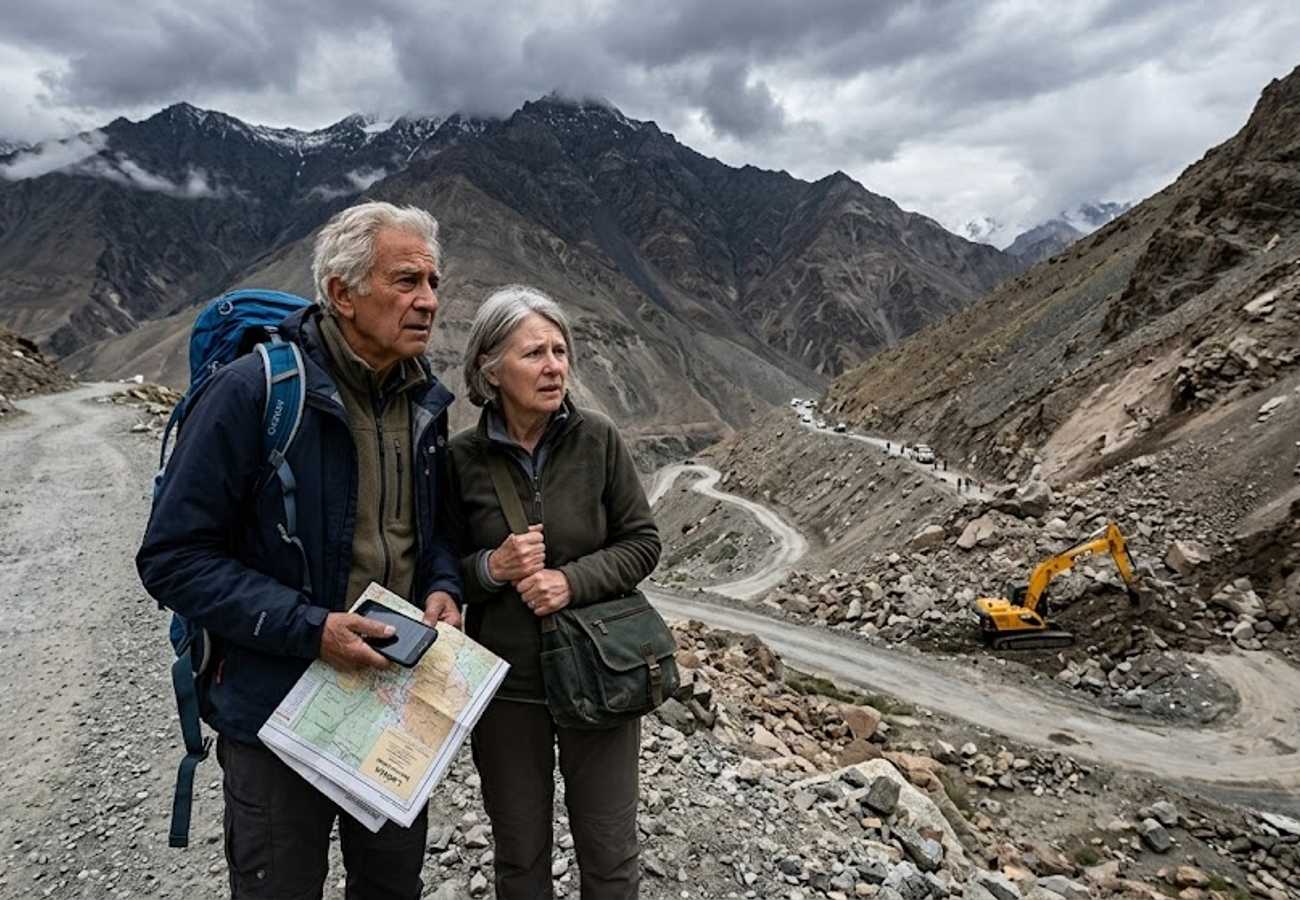
Image generated by AI
The Ladakh Administration has issued an urgent travel advisory effective July 21, 2026, citing severe weather conditions. The India Meteorological Department (IMD) is currently tracking heavy rainfall that has significantly increased the risk of flash floods and landslides across high-altitude zones.
The Disruption Details
The region is currently experiencing unstable soil conditions due to persistent showers and heavy rain clouds. These environmental factors have led to a critical weakening of soil stability in mountainous corridors, creating a high probability of landslides occurring without warning.
Local authorities have shifted to a proactive disaster management posture, deploying rapid-response protocols across all districts. This includes the strategic positioning of heavy machinery and earthmovers near accident-prone corridors to ensure immediate road clearance.
Flight and Airport Impact Breakdown
While primary air hubs remain operational, the ground transportation network connecting these hubs to the wider region is facing severe instability.
- Roadway Status: Unpredictable closures are occurring due to damaged roads and swollen streams.
- Transit Restrictions: Nighttime driving is strictly discouraged across all mountainous stretches due to debris risks and zero visibility.
- Hazard Zones: High-risk areas include local nallahs, low-lying flood-prone zones, and steep mountain slopes.
- Operational Pauses: Transport syndicates have suspended operations on several high-risk routes to minimize passenger risk.
Passenger Rights & Advisory (Information Gain)
Travelers currently in Ladakh or planning a visit must prioritize safety over itineraries. Our analysis indicates that passengers should take the following steps regarding their rights and safety:
Immediate Safety Protocols
- Supplies: Maintain a stock of non-perishable food, clean drinking water, and a fully equipped first-aid kit.
- Communication: Keep all mobile devices charged and monitor official government broadcasts and local disaster management cells.
- Compliance: Adhere immediately to all evacuation directives issued by local governance bodies.
Rebooking and Compensation Rights
- Force Majeure: Severe weather events and government-mandated road closures typically fall under "Force Majeure" clauses in travel contracts. This may limit the liability of tour operators for refunds but should allow for flexible rebooking.
- Travel Insurance: Passengers should review their policies for "Trip Interruption" or "Trip Cancellation" coverage specifically related to natural disasters. Document all official government alerts to support insurance claims.
- Hospitality Flexibility: Many hotels in the region are currently reviewing safety standards and assisting stranded guests; travelers should negotiate flexible checkout dates or credits for future stays.
Industry Analyst View
The shift from reactive to proactive disaster management in Ladakh marks a significant change in regional governance. Previously, authorities responded after physical blockages occurred; the 2026 framework utilizes advanced meteorological forecasting to restrict tourist inflow before hazardous conditions peak.
From an operational standpoint, the hospitality and tourism sectors are facing a temporary contraction in occupancy. However, industry stakeholders are prioritizing human safety over short-term revenue, recognizing that preventing a major safety crisis is essential for the long-term stability of the region's tourism economy.
The full mobilization of police forces for traffic diversion and the auditing of emergency medical supplies by the Health Department indicate a high-level state of readiness to handle potential trauma cases and large-scale rescues.
Safe travels require adherence to official directives and real-time monitoring of weather patterns.
Related Travel Guides
Disclaimer
This article is for informational and educational purposes only. It does not constitute legal, financial, or professional advice. While we strive to provide accurate and up-to-date information, travel policies, regulations, and conditions change rapidly. Always verify information with official sources before making travel decisions. Nomad Lawyer makes no representations about the accuracy, reliability, completeness, or suitability of the information provided. Readers should consult qualified professionals for advice specific to their circumstances. The views expressed in this article are those of the author and do not necessarily reflect the views of Nomad Lawyer.
Preeti Gunjan
Contributor & Community Manager
A passionate traveller and community builder. Preeti helps grow the Nomad Lawyer community, fostering engagement and bringing the reader experience to life.
Learn more about our team →