
Korça Teams Up With Pogradec and More as Hidden Travel Gems of Albania Taking Centre Stage for Ultimate Cultural Adventures
Korça Teams Up With Pogradec and More as Hidden Travel Gems of Albania Taking Centre Stage for Ultimate Cultural Adventures

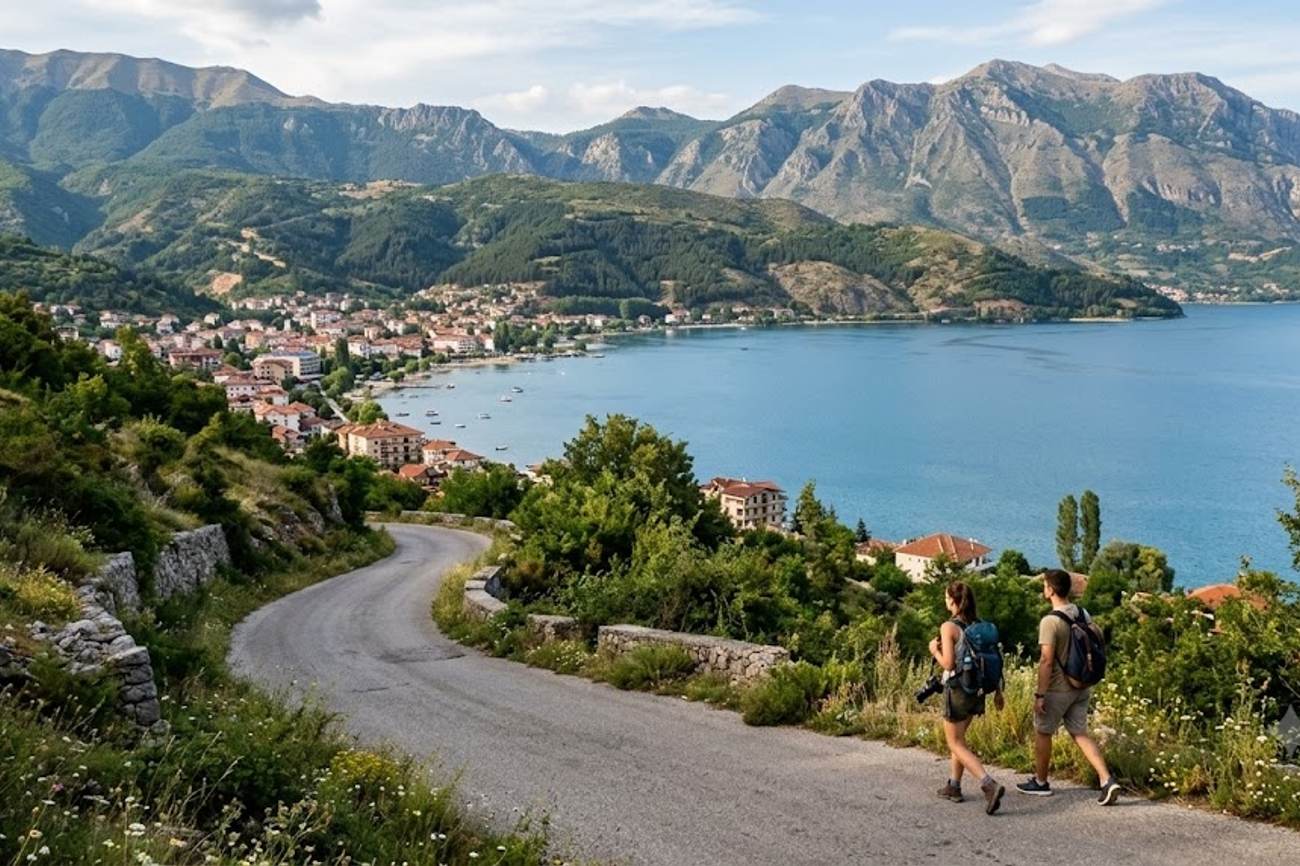
Image generated by AI
title: Beyond the Riviera: Exploring the Highlands and Thermal Valleys of Albania description: An insider's guide to Albania's emerging cultural hubs, from the thermal springs of Përmet to the lakeside charm of Pogradec and the heritage of Korça. date: 2024-05-20 tags: [Albania-Travel-2026, Permet-Thermal-Springs, Korca-Cultural-Tourism, Vjosa-River-Adventures, Pogradec-Lakeside]
While the world flocks to the turquoise waters of the coast, the real soul of Albania is currently shifting toward the interior, where the prefecture of Dibër has seen a staggering 40% increase in accommodation establishments between 2021 and 2023. This surge signals a pivot away from the crowded beach resorts toward a more authentic, rugged, and culturally dense experience in the mountains and river valleys.
The Interior Shift: Albania's New Cultural Axis
Albania is currently experiencing a massive economic transformation driven by tourism. The numbers are stark: in the first half of 2026, the country recorded approximately €2.4 billion in net tourism income, a significant jump from the €2.1 billion seen during the same period in 2025. The second quarter of 2026 alone brought in roughly €1.4 billion, compared to €1.2 billion the previous year.
This isn't just about money; it's about volume. Around 5 million foreign visitors entered the country between January and June 2026, compared to 4.8 million in the first half of 2025. When you look at the five-year trajectory, the growth is exponential. In 2021, there were approximately 5.7 million arrivals. By 2022, that number climbed to 7,543,817 (a 32.6% increase), and 2023 saw a massive leap to 10,155,640 (up 34.6%). The momentum continued with 11,696,111 arrivals in 2024 (15.2% growth) and 12,466,038 in 2025 (6.6% growth).
For the seasoned traveler, this data means the infrastructure is finally catching up to the ambition. Between 2021 and 2023, the average number of operating accommodation establishments was 1,618, with the 2023 count being 24.7% higher than in 2021. By 2023, the national supply had reached about 58,000 rooms and 130,000 bed places.
What Makes the Hinterlands Different
If the coast is about relaxation, the interior is about discovery. The regional distribution of rooms tells a story of a country diversifying its appeal. In 2023, the North had approximately 15,410 rooms and 35,251 bed places, while the Centre held 22,121 rooms and 48,184 bed places, and the South had 20,247 rooms and 46,263 bed places.
The real magic happens in the prefectures that are often skipped. Korçë has seen its establishment count grow from 120 in 2021 to 135 in 2023 (+12.5%). Shkodër grew from 150 to 175 (+16.7%), and Gjirokastër rose from 60 to 75 (+25%). Even Lezhë saw a 20% increase, moving from 75 to 90 establishments.
Take Përmet, for example. This isn't a place for luxury resorts; it is a sanctuary for "slow travel." Located in the Vjosa River valley and cradled by the Trebeshinë and Dangëlli mountain ranges, Përmet centers its identity on the Vjosa—one of Europe's last wild river systems. The experience here is tactile: the sulfurous heat of the Bënja Thermal Springs, the limestone walls of the Lengarica Canyon, and the historic architecture of the Kadiu Bridge. Unlike the coastal hubs, Përmet offers a deep dive into gastronomy, where the local gliko (a traditional sweet preserve), reshedi (a regional dessert), and drudhe (a specific local chicken preparation) define the culinary rhythm.
Further east, the partnership between Korça and Pogradec is creating a new corridor for cultural adventurers. Korça provides the historic, urban intellectualism of Albania, while Pogradec offers the serene, reflective atmosphere of lakeside living. Together with destinations like Lin and Leskovik, they form a circuit that allows travelers to see the transition from alpine peaks to Mediterranean-style lakes.
Visitor Insider Tips
To experience these regions without feeling like a tourist in a bubble, you need to change your pace.
Timing and Logistics Avoid the peak summer months when the coast is saturated. The interior regions, particularly Përmet and Korça, are most evocative in late spring or autumn. To navigate these areas, skip the large tour buses. Rent a 4x4 vehicle; the roads leading to the Bënja Thermal Springs or the deeper parts of the Vjosa valley can be challenging for standard sedans. For official travel guidelines and entry requirements, check the Visit Albania portal.
The Përmet Protocol When visiting the Bënja Thermal Springs, arrive before 9:00 AM. By midday, the site becomes crowded with locals and day-trippers. Spend your first day in the town center exploring the "City Stone" before heading to the springs. On your second day, dedicate your time to the Lengarica Canyon. For accommodation, avoid the few larger hotels and opt for agritourism. Sali Farm is a prime example of the local hospitality that defines the region.
Culinary Etiquette In the interior, food is a gesture of welcome. If offered gliko in a rural home, accept it—it is a point of local pride. In Korça, seek out the local breweries and traditional cafes where the intellectual history of the city still lingers.
Regional Routing Don't try to see everything in a week. The most rewarding route is a slow loop: Tirana → Lin → Pogradec → Korça → Leskovik → Përmet → Gjirokastër. This allows you to experience the shift in dialect, architecture, and cuisine. For those interested in the broader Balkan context, exploring the UNESCO World Heritage sites in the region, such as the historic town of Gjirokastër, provides the necessary historical scaffolding.
Cultural and Environmental Context
The rise of tourism in the interior is a double-edged sword. The rapid expansion of accommodation—most notably the 40% increase in Dibër—brings essential capital to rural communities that were previously overlooked. However, this growth puts pressure on the very "wildness" that attracts visitors.
The Vjosa River is a primary example of the tension between development and preservation. As one of Europe's last wild rivers, it is a biodiversity hotspot. The push for "nature-based tourism" in Përmet is a strategic move to protect the river from industrial exploitation by proving that a living, wild river is more economically valuable than a dammed one.
Furthermore, the growth in prefectures like Gjirokastër and Korça is helping to preserve traditional stone architecture. When guesthouses are built into existing historic structures rather than replaced by concrete hotels, the cultural fabric of the town remains intact. The challenge for Albania in 2026 and beyond is managing the volume—moving from 12.4 million arrivals to even higher numbers—without losing the "authentic" quality that makes Përmet and Pogradec appealing.
FAQ: Visiting Albania 2026
What is the best time to visit the interior? May to June and September to October are ideal. You avoid the intense summer heat of the valleys and the heavy snows of the mountain passes, ensuring the thermal springs and hiking trails are accessible.
Do I need a visa for Albania? Visa requirements vary by nationality. Many EU, US, and UK citizens enter visa-free for short stays. Always verify current regulations via the official government portal or your local embassy before booking.
How do I get to Përmet from Tirana? The most efficient way is by rental car or private transfer, taking approximately 3 to 4 hours. While buses exist, a car is essential for reaching the Bënja Thermal Springs and Lengarica Canyon.
Is it safe for solo travelers? Yes, Albania is generally very safe. In the interior, you will find a level of hospitality and helpfulness that exceeds the coastal cities, though basic knowledge of a few Albanian phrases is highly appreciated.
Leave the beaches to the crowds; the mountains are where Albania still speaks its true language.
Related Travel Guides
Disclaimer
This article is for informational and educational purposes only. It does not constitute legal, financial, or professional advice. While we strive to provide accurate and up-to-date information, travel policies, regulations, and conditions change rapidly. Always verify information with official sources before making travel decisions. Nomad Lawyer makes no representations about the accuracy, reliability, completeness, or suitability of the information provided. Readers should consult qualified professionals for advice specific to their circumstances. The views expressed in this article are those of the author and do not necessarily reflect the views of Nomad Lawyer.
Kunal K Choudhary
Co-Founder & Contributor
A passionate traveller and tech enthusiast. Kunal contributes to the vision and growth of Nomad Lawyer, bringing fresh perspectives and driving the community forward.
Learn more about our team →