
Killer Hantavirus Outbreak Traps 150 Passengers Aboard MV Hondius Cruise
A killer hantavirus outbreak aboard the MV Hondius polar expedition cruise has claimed three lives and infected seven others in 2026, leaving 150 passengers stranded at sea during an Antarctic voyage.

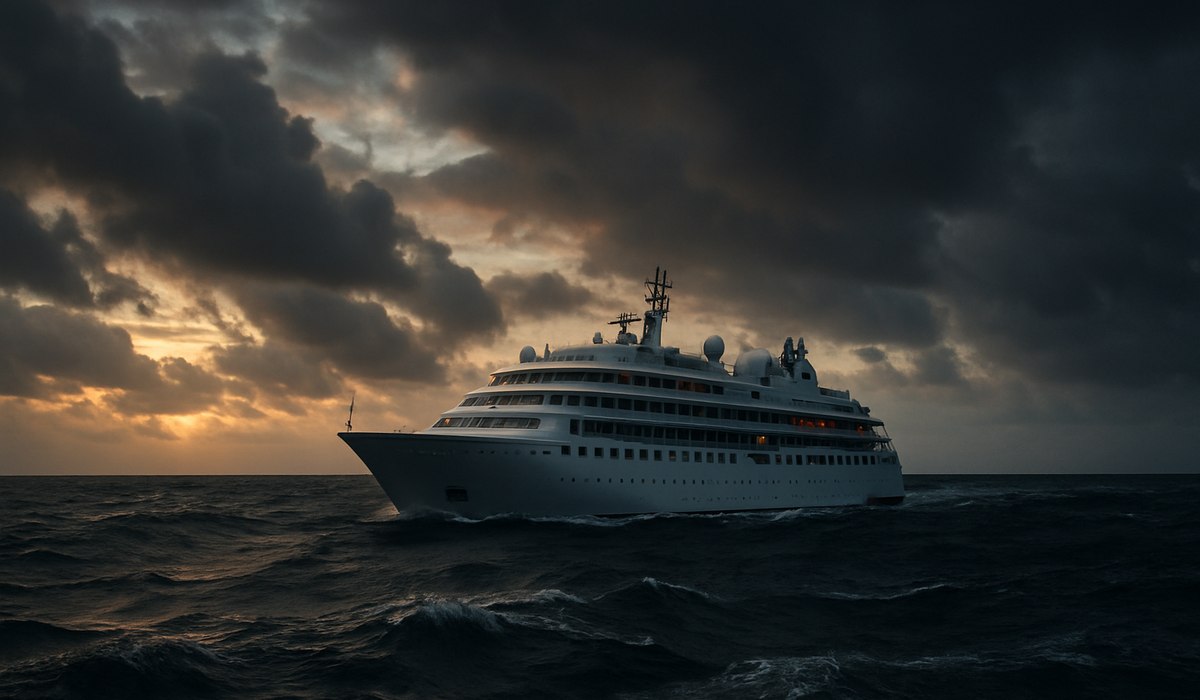
Image generated by AI
Rare Killer Hantavirus Outbreak Devastates Antarctic Expedition Cruise
The MV Hondius, a Dutch-flagged polar expedition vessel, has become the center of an unprecedented health crisis after a killer hantavirus outbreak claimed three passenger lives and infected seven others. Operating under an Antarctic voyage itinerary that departed from South America in early April 2026, the ship found itself quarantined off the Cape Verde islands with approximately 150 passengers and crew aboard. This rare Andes hantavirus strain, typically associated with South American rodent exposure, has turned what should have been a routine luxury cruise into a devastating medical emergency and logistical nightmare at sea.
Routine Antarctic Voyage Turns Into Deadly Medical Emergency
The MV Hondius departed Argentina in early April carrying adventure-seeking travelers bound for remote Antarctic waters and the South Atlantic. The expedition-style itinerary promised intimate encounters with pristine polar landscapes, exclusive island visits, and wildlife observation across some of Earth's most isolated regions. By mid-April, however, a passenger in his seventies developed severe respiratory symptoms while still aboard. His subsequent evacuation to South Africa and death marked the beginning of a medical crisis that would ultimately affect dozens of voyagers.
The second fatality—the first passenger's spouse—occurred weeks later. Then in early May, a German woman died aboard the vessel after developing fever and severe breathing difficulties. It wasn't until laboratory testing returned that investigators identified the culprit: Andes hantavirus, a deadly pathogen rarely seen outside endemic South American regions. The killer hantavirus outbreak spread among the confined passenger population, creating panic and confusion about transmission routes aboard a modern cruise vessel designed with advanced sanitation systems.
By the first week of May, confirmed and suspected infections reached at least seven individuals, with some disembarked at various ports and others remaining aboard awaiting evacuation. Health authorities worldwide scrambled to understand how this killer hantavirus outbreak could occur in such a controlled maritime environment, spurring investigations into environmental contamination and exposure origins.
How Killer Hantavirus Spread Across the MV Hondius
The killer hantavirus outbreak's transmission pathway remains under investigation, but epidemiologists point to the Andes virus's documented capacity for limited person-to-person spread during prolonged close contact—a concerning factor aboard a cruise ship. Initial exposure likely occurred during the South American portion of the voyage, possibly through environmental contamination in passenger cabins, crew quarters, or storage areas where infected rodents or their droppings could have introduced the virus.
Andes hantavirus typically causes hantavirus pulmonary syndrome, beginning with fever and muscle aches before progressing to coughing, shortness of breath, and potentially fatal respiratory failure. On a vessel carrying 150 people in close quarters, the virus found ideal conditions to persist and spread. Ship ventilation systems, shared dining facilities, and common areas created multiple exposure opportunities for healthy passengers and crew members.
The killer hantavirus outbreak's appearance in this unlikely setting—far from typical endemic zones—suggests environmental persistence within ship infrastructure. Investigators examined ventilation systems, storage compartments, and passenger spaces for evidence of viral contamination. Enhanced cleaning protocols were immediately implemented, including specialized disinfection procedures across all passenger-accessible areas. The outbreak highlighted vulnerabilities in even the most meticulously maintained expedition vessels.
International Response and Passenger Evacuation Efforts
Within days of confirming the killer hantavirus outbreak, international maritime and health authorities coordinated an emergency response. The MV Hondius was ordered to remain offshore near the Cape Verde islands while officials assessed each passenger's condition and determined safe disembarkation procedures. Medical evacuation flights transported the most critically ill patients to intensive care facilities in South Africa and across Europe.
The killer hantavirus outbreak response involved multiple agencies: the World Health Organization, Africa CDC, European disease control authorities, and national health departments coordinating across borders. The ship's small onboard medical team was overwhelmed monitoring hundreds of potentially exposed individuals for respiratory symptoms. Passengers remained largely confined to cabins or restricted common areas while crew implemented enhanced masking and isolation protocols.
By early May, authorities diverted the MV Hondius toward the Canary Islands for final passenger assessment and disembarkation. Remaining voyagers were screened for symptoms before repatriation, with plans for comprehensive disinfection and environmental investigation of the vessel before resuming operations. The multinational coordination required to manage this killer hantavirus outbreak at sea demonstrated both the complexity of modern maritime medicine and the vulnerability of international travel to emerging infectious disease threats.
What Travelers Need to Know About Killer Hantavirus Risks
Hantavirus exposure presents negligible risk for cruise ship passengers on properly maintained vessels operating standard routes. The killer hantavirus outbreak aboard the MV Hondius represents an exceptionally rare event involving complex environmental and epidemiological factors unlikely to recur. However, travelers considering polar expedition cruises or Antarctic voyages should understand baseline hantavirus transmission risks and prevention strategies.
Hantaviruses spread primarily through contact with infected rodent droppings, urine, or saliva—not through casual human interaction. Person-to-person transmission occurs only with certain strains like Andes virus during sustained close contact with symptomatic individuals. Standard cruise ship sanitation practices, rodent control programs, and ventilation systems effectively prevent hantavirus persistence in maritime environments.
Travelers concerned about infectious disease risks on ocean voyages should review cruise line safety protocols, request information about vessel sanitation certifications, and consult travel medicine specialists before booking expeditions to remote regions. Travel insurance policies that cover medical evacuation provide essential protection for voyages far from major medical facilities. The killer hantavirus outbreak served as a sobering reminder that even modern vessels face unpredictable health challenges in isolated settings, making preparation and awareness critical for adventure travelers.
Cruise Itinerary at a Glance
| Route Detail | Information |
|---|---|
| Vessel | MV Hondius (Dutch-flagged polar expedition cruise) |
| Departure Port | Argentina |
| Intended Destination | Antarctica and South Atlantic |
| Passenger Capacity | Approximately 150 passengers and crew |
| Voyage Type | Luxury polar expedition with wildlife observation |
| Route Highlights | Remote Antarctic islands, South Atlantic passages, Cape Verde ports |
| Incident Port | Cape Verde islands (quarantine location) |
| Diversion Port | Canary Islands (final disembarkation) |
| Outbreak Duration | April–May 2026 |
Key Crisis Timeline and Statistics
| Date/Period | Event | Details |
|---|---|---|
| Early April 2026 | Voyage Departure | MV Hondius leaves Argentina with 150 passengers and crew |
| Mid-April 2026 | First Illness Reported | Passenger in seventies develops severe respiratory symptoms |
| Late April 2026 | First Death Confirmed | Initial passenger dies in South Africa following evacuation |
| Weeks Later | Second Death | Spouse of first patient dies after illness onset |
| Early May 2026 | Third Fatality | German woman dies aboard with confirmed symptoms |
| May 2026 | Outbreak Identification | Laboratory testing confirms Andes hantavirus |
| First Week May | Confirmed Cases | 2–5 laboratory-confirmed infections, 7+ suspected total |
| Crisis Peak | Passenger Confinement | 147–150 passengers and crew remain aboard quarantined ship |
| May 2026 | Diversion Orders | MV Hondius directed toward Canary Islands for disembarkation |
What This Means for Travelers
The killer hantavirus outbreak aboard the MV Hondius
Disclaimer
This article is for informational and educational purposes only. It does not constitute legal, financial, or professional advice. While we strive to provide accurate and up-to-date information, travel policies, regulations, and conditions change rapidly. Always verify information with official sources before making travel decisions. Nomad Lawyer makes no representations about the accuracy, reliability, completeness, or suitability of the information provided. Readers should consult qualified professionals for advice specific to their circumstances. The views expressed in this article are those of the author and do not necessarily reflect the views of Nomad Lawyer.
Preeti Gunjan
Contributor & Community Manager
A passionate traveller and community builder. Preeti helps grow the Nomad Lawyer community, fostering engagement and bringing the reader experience to life.
Learn more about our team →