
Deadly Andes Hantavirus Outbreak Strands MV Hondius Cruise Ship at Sea
Dutch expedition vessel MV Hondius becomes floating quarantine as deadly Andes hantavirus outbreak kills multiple passengers mid-Atlantic voyage in May 2026. Health authorities race to contain rare virus.

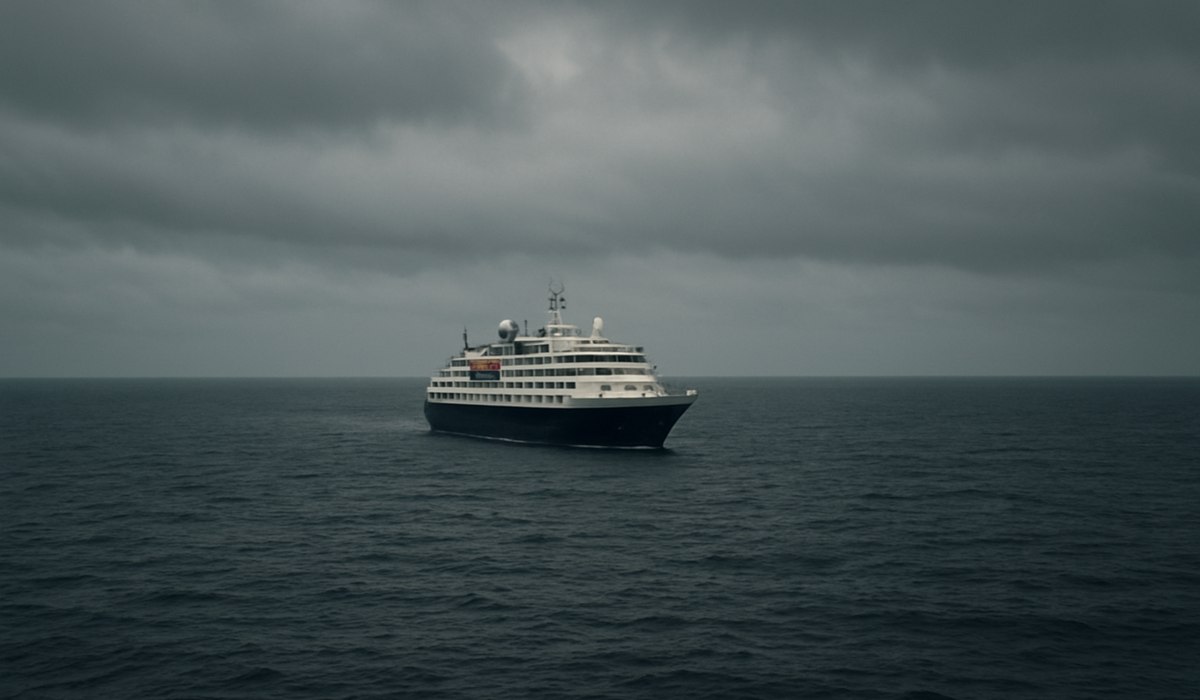
Image generated by AI
Luxury Expedition Voyage Turns Into Global Health Emergency
The Dutch-flagged MV Hondius, a sophisticated polar expedition cruise vessel, has become the epicenter of an international health crisis after a deadly Andes hantavirus outbreak claimed at least three lives and sickened dozens of passengers and crew mid-Atlantic. The ship departed Ushuaia, Argentina in early April 2026 carrying approximately 150 travelers on what promised to be a once-in-a-lifetime expedition through remote Atlantic waters toward Cape Verde. Instead, the voyage transformed into a floating quarantine zone when passengers began developing severe respiratory illnesses linked to one of the world's most dangerous rodent-borne pathogens.
The deadly Andes hantavirus outbreak emerged gradually, with the first case appearing in early April as fever and flu-like symptoms. Within weeks, what initially seemed like isolated medical incidents escalated into confirmed cases of a rare viral infection rarely documented in maritime settings. The combination of prolonged incubation periods, tight shipboard quarters, and vast distances from equipped medical facilities created perfect conditions for the virus to spread undetected across the South Atlantic.
How Hantavirus Spread Undetected Across the Atlantic
The deadliness of this particular outbreak stems from hantavirus biology and the unique environment of a remote expedition cruise. The Andes virus strain identified on MV Hondius represents the only hantavirus type with documented person-to-person transmission potential under conditions of close, prolonged contact. Unlike coronaviruses or influenza, hantavirus typically requires direct contact with infected rodent droppings or aerosolized particles from contaminated materials.
On a confined ship hundreds of miles from major ports, the deadly Andes hantavirus found an ideal vector for human-to-human spread. Passengers and crew shared ventilation systems, dining facilities, and common spaces for weeks before laboratory confirmations reached authorities. The extended incubation period meant individuals were infectious before showing symptoms, allowing further transmission during normal shipboard activities. When the first death occurred aboard MV Hondius, investigators already suspected multiple additional cases were developing silently among the remaining 150 passengers and crew. Port authorities and international health bodies faced an unprecedented dilemma: how to safely manage a ship carrying an extremely dangerous pathogen while protecting coastal populations and healthcare workers.
What We Know About Andes Hantavirus and Its Risks
The Andes hantavirus produces hantavirus cardiopulmonary syndrome, a rapidly progressive and frequently fatal illness. Initial symptoms include fever, severe headaches, muscle aches, and gastrointestinal distress that typically appear one to three weeks after exposure. The disease progresses to respiratory symptoms including persistent coughing, shortness of breath, and fluid accumulation in lung tissue. In severe cases, the deadly Andes hantavirus triggers complete respiratory failure requiring mechanical ventilation.
Scientific literature documents case fatality rates between 35-50% for confirmed Andes hantavirus infections, making it far more lethal than seasonal influenza or COVID-19. The virus damages blood vessel integrity, causing fluid leakage into lung tissue and cardiovascular collapse in advanced cases. Treatment remains largely supportive; no specific antiviral medications effectively reduce mortality. Early hospitalization in intensive care settings with mechanical ventilation support offers the only meaningful intervention once symptoms develop.
Before the MV Hondius outbreak, Andes hantavirus infections were geographically confined to Chile and Argentina, where rodent populations naturally carry the virus. Human cases typically resulted from occupational exposure to infected rodents or contaminated environments. The sudden appearance aboard an international expedition cruise represented an epidemiological anomaly that puzzled global health authorities and generated urgent investigation into the outbreak's origin.
| Outbreak Details | Information |
|---|---|
| Vessel Name | MV Hondius (Dutch-flagged) |
| Departure Port | Ushuaia, Argentina |
| Departure Date | Early April 2026 |
| Passengers & Crew | Approximately 150 |
| Virus Type | Andes Hantavirus (Andes virus) |
| Confirmed Deaths | At least 3 |
| Case Fatality Rate | 35-50% for Andes virus |
| Incubation Period | 1-3 weeks (average 10 days) |
| Transmission | Rodent-borne; human-to-human under close contact |
| Current Status | Ship stranded at sea; passengers in isolation |
| Geographic Origin | Chile and Argentina endemic zones |
Response From Health Authorities and Next Steps
European disease control agencies, World Health Organization representatives, and South African health authorities coordinated emergency protocols once laboratory confirmations identified the deadly Andes hantavirus. Several critically ill passengers received air and sea evacuations to hospitals in Johannesburg and European cities equipped with advanced intensive care capabilities. The remaining passengers and crew aboard MV Hondius faced indefinite isolation while authorities determined safe disembarkation procedures.
Port authorities implemented extraordinary restrictions on where the ship could dock. The vessel remained offshore for extended periods while governments and international health bodies negotiated quarantine protocols, testing requirements, and medical support logistics. Shipboard infection control measures were intensified: symptomatic individuals were isolated in designated cabins, common spaces were reorganized to limit contact, and mask-wearing and hygiene protocols were enforced throughout the vessel.
The situation highlighted critical vulnerabilities in expedition cruise operations. These small, specialized ships often visit remote locations with limited medical infrastructure. The deadly Andes hantavirus outbreak demonstrated how rapidly a rare pathogen can spread in confined environments where passengers spend weeks in close proximity. Future expedition cruise planning now includes enhanced health screening protocols, onboard isolation capabilities, and pre-established evacuation coordination with international health authorities.
What This Means for Travelers
The MV Hondius outbreak carries significant implications for expedition cruise passengers and anyone planning remote travel in 2026 and beyond.
-
Screen your health status thoroughly before booking any expedition cruise lasting more than one week. Pre-existing respiratory conditions significantly increase hantavirus severity risk.
-
Verify shipboard medical facilities meet international standards with isolation capabilities, telemedicine access, and evacuation coordination with major hospitals.
-
Review outbreak history of specific vessels and operators before booking. Some cruise lines maintain higher safety records than others in remote operations.
-
Understand incubation periods for diseases endemic to your destination. Hantavirus can take weeks to manifest; plan post-voyage medical follow-up if visiting endemic areas.
-
Purchase comprehensive travel insurance explicitly covering medical evacuation from maritime settings. Standard policies frequently exclude remote ocean scenarios.
-
Monitor pre-departure health communications from cruise operators and health authorities. Many countries issue travel warnings before outbreaks reach media.
FAQ: Deadly Andes Hantavirus Outbreak Questions Answered
Q: Can I contract Andes hantavirus on a standard cruise ship?
Standard cruise ships visiting populated ports carry minimal hantavirus risk since the virus requires direct rodent contact or person-to-person transmission in confined settings. Outbreak risk increases significantly only on expedition cruises visiting remote, rodent-populated regions where sanitation controls are limited.
Q: What symptoms should I watch for after expedition cruise travel?
Monitor for fever, severe headaches, muscle aches, and gastrointestinal symptoms appearing 1-3 weeks post-voyage. Respiratory symptoms including coughing and shortness of breath require immediate emergency care. Inform healthcare providers about your specific travel destination and dates.
Q: Has Andes hantavirus appeared outside South America before?
The MV Hondius outbreak represents the first documented case of deadly Andes hantavirus spreading internationally via maritime transport. The virus had been geographically confined to Chile and
Disclaimer
This article is for informational and educational purposes only. It does not constitute legal, financial, or professional advice. While we strive to provide accurate and up-to-date information, travel policies, regulations, and conditions change rapidly. Always verify information with official sources before making travel decisions. Nomad Lawyer makes no representations about the accuracy, reliability, completeness, or suitability of the information provided. Readers should consult qualified professionals for advice specific to their circumstances. The views expressed in this article are those of the author and do not necessarily reflect the views of Nomad Lawyer.
Raushan Kumar
Founder & Lead Developer
Full-stack developer with 11+ years of experience and a passionate traveller. Raushan built Nomad Lawyer from the ground up with a vision to create the best travel and law experience on the web.
Learn more about our team →