
Kerala to Grant Formal Industry Status to Tourism Sector by October 2026 to Boost Investment
Kerala is set to grant formal industry status to its tourism sector by October 2026, aiming to decentralize visitor traffic and stimulate investment in emerging destinations.

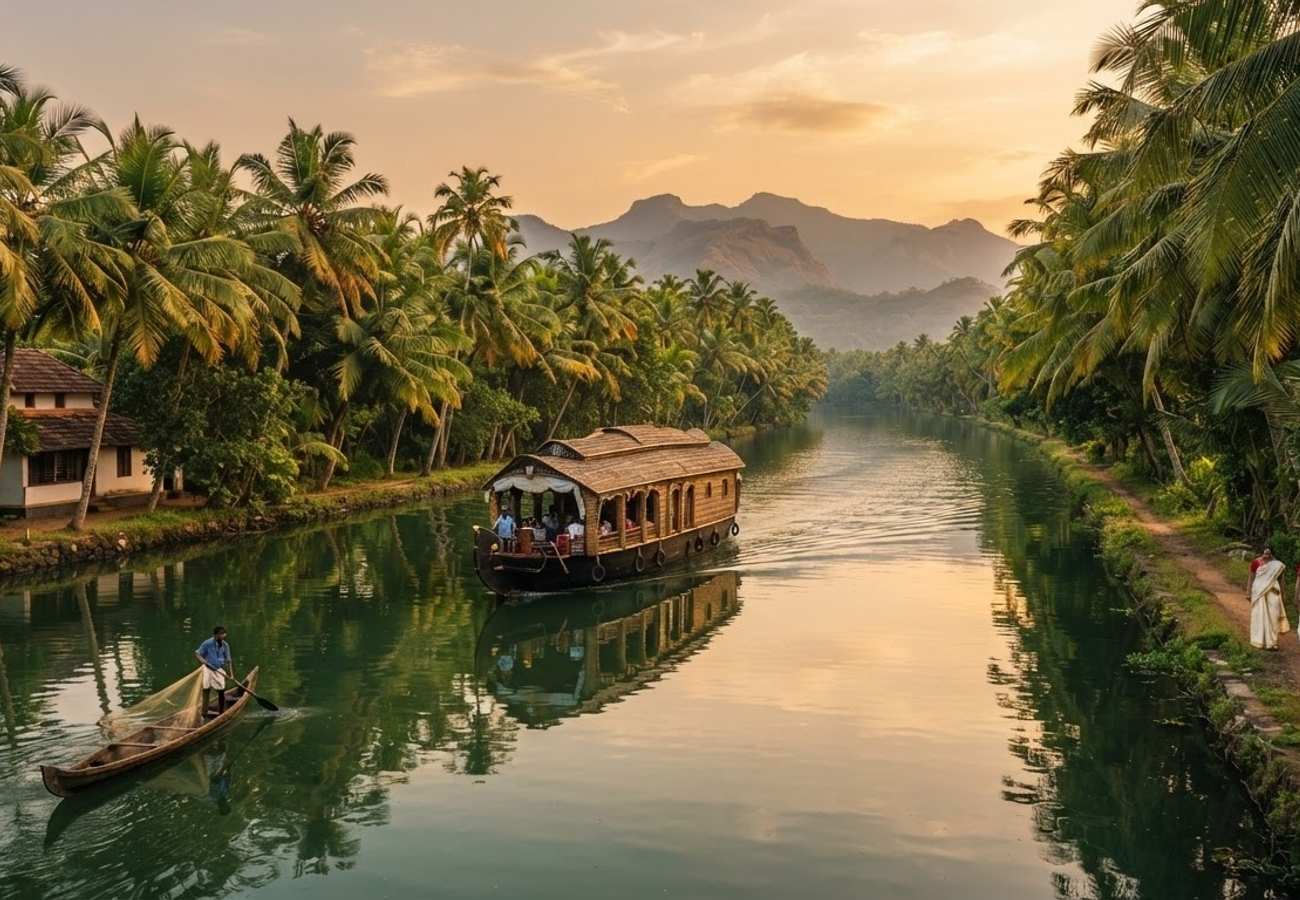
Image generated by AI
Kerala is preparing to transition its tourism sector to formal industry status by October 2026, a strategic pivot designed to catalyze private investment and decentralize visitor flow across the state. This legislative shift aims to move the economy away from over-reliance on saturated hotspots and toward a sustainable, distributed growth model.
For years, Kerala has been a cornerstone of India's travel appeal, drawing millions to its iconic backwaters and hill stations. However, industry data indicates that several primary hubs are approaching their maximum carrying capacity. By designating tourism as a formal industry, state officials intend to create a more robust legal and financial framework that encourages entrepreneurship in underserved districts.
Strategic Shift Toward a Distributed Tourism Economy
The move toward industry status represents a fundamental change in how the state manages its visitor economy. Rather than focusing on the volume of arrivals in a few key cities, the new model emphasizes the quality of the experience and the geographic spread of economic benefits.
By treating tourism as a formal industry, the state can provide better incentives for businesses specializing in accommodation, transport, and curated experiences. This framework is expected to lower the barriers to entry for local entrepreneurs and provide a more stable environment for large-scale sustainable investments.
The primary objective is to mitigate the environmental and social pressure on established centers. By diverting traffic toward emerging destinations, the state hopes to preserve the ecological integrity of its most famous sites while unlocking the economic potential of rural areas.
Elevating Emerging Destinations and Munroe Island
A central pillar of this expansion is the identification and promotion of "hidden" destinations. State planners are targeting locations that possess high natural or cultural value but have remained largely off the mainstream travel map.
Munroe Island in the Kollam district has been highlighted as a primary beneficiary of this renewed focus. As a quieter alternative to the more crowded backwater circuits, Munroe Island offers an immersive look at village life and traditional waterways. By integrating such locations into wider tourism circuits, the state aims to extend the average length of stay for both domestic and international travelers.
This strategy transforms the travel map of Kerala from a few concentrated points into a comprehensive network. When visitors are encouraged to explore multiple districts, the financial gains are distributed among a wider array of local guides, restaurant owners, and transport providers.
Integrating Cultural Heritage and Onam Festivities
Cultural tourism is being repositioned as a primary driver of growth. The state is shifting its focus toward "meaningful travel," where visitors engage with performing arts, regional architecture, and traditional crafts rather than simply sightseeing.
Special attention is being given to the Onam festival, Kerala's most significant annual celebration. While Onam already attracts a steady stream of visitors, the state intends to formalize the tourism infrastructure surrounding the event. By creating structured cultural packages around the floral decorations, traditional feasts, and performances of Onam, Kerala can better showcase its identity to a global audience while ensuring the celebrations remain authentic.
Scaling Ayurveda and Global Wellness Leadership
Ayurveda remains the state's most competitive advantage in the global wellness market. As the worldwide demand for holistic health and rejuvenation rises, Kerala is doubling down on its reputation for authentic Ayurvedic practices.
The state is focusing on the following priority areas for wellness:
- Certification and Quality: Ensuring that treatment centers adhere to strict traditional and medical standards.
- Premium Experiences: Developing high-end wellness resorts that attract luxury travelers seeking long-term rejuvenation.
- Integration: Linking Ayurvedic treatments with nature-based stays to create a comprehensive health circuit.
By reinforcing these assets, Kerala aims to maintain its lead in the wellness sector, ensuring that "Ayurveda" remains synonymous with the state's brand globally.
Wayanad Development and Homestay Modernization
Wayanad is set for a significant promotional push. Known for its dense forests, coffee plantations, and diverse wildlife, the district is being positioned as the premier hub for adventure and nature-based tourism.
To support this growth, the state is introducing a "single-window" approval system for homestays. This administrative overhaul is designed to remove the bureaucratic hurdles that previously discouraged local homeowners from entering the hospitality market.
The homestay initiative includes several key components:
- Streamlined Licensing: A simplified process for entrepreneurs to gain legal approval for guest houses.
- Regional Training: Structured professional development programs for operators in Malabar, central Kerala, and southern Kerala.
- Quality Standardization: Training focused on service quality, hygiene, and guest management to ensure a consistent experience for travelers.
Legal and Logistical Implications for the Traveler
From a logistical standpoint, the transition to industry status means that travelers can expect a more professionalized service layer across the state. The shift toward a single-window system for homestays, for example, will likely result in a surge of verified, high-quality boutique stays in rural areas.
For the traveler, this means a move away from "cookie-cutter" tourism. Instead of visiting the same three or four landmarks, visitors will find a more organized infrastructure supporting trips to the interior of the state. The emphasis on "distributed tourism" suggests that travel packages in 2026 and beyond will likely feature more diverse itineraries, combining the luxury of Ayurveda resorts with the authenticity of village homestays.
Legally, the industry status provides a safety net for investors, which in turn leads to better-maintained infrastructure and more reliable transport links in previously remote areas like Wayanad and Kollam.
Kerala's bold move to formalize its tourism sector marks the beginning of a more resilient, community-centric era of Indian travel.
Related Travel Guides
Disclaimer
This article is for informational and educational purposes only. It does not constitute legal, financial, or professional advice. While we strive to provide accurate and up-to-date information, travel policies, regulations, and conditions change rapidly. Always verify information with official sources before making travel decisions. Nomad Lawyer makes no representations about the accuracy, reliability, completeness, or suitability of the information provided. Readers should consult qualified professionals for advice specific to their circumstances. The views expressed in this article are those of the author and do not necessarily reflect the views of Nomad Lawyer.
Kunal K Choudhary
Co-Founder & Contributor
A passionate traveller and tech enthusiast. Kunal contributes to the vision and growth of Nomad Lawyer, bringing fresh perspectives and driving the community forward.
Learn more about our team →