
Oceania Cruises Tightens Visa and Passport Compliance for 2026-2029 World Voyages
Oceania Cruises is implementing stricter documentation checks for guests on multi-continent itineraries, with some voyages spanning 39 countries and 180 days, necessitating rigorous passport and visa verification.

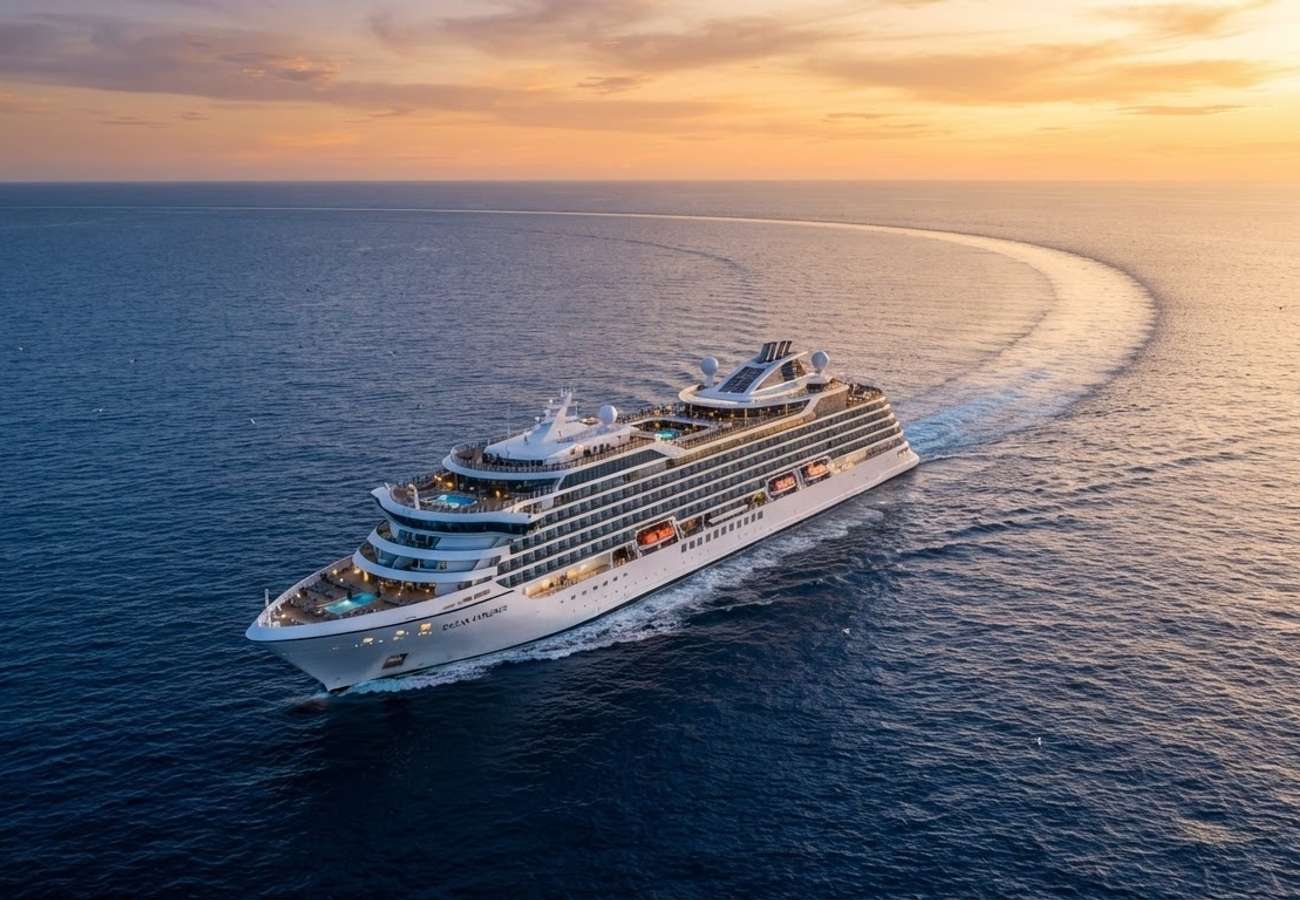
Image generated by AI
Oceania Cruises is intensifying its enforcement of passport and visa compliance as it expands its portfolio of ultra-long-haul itineraries. With voyages now spanning up to 39 countries and six continents, the cruise line is placing the burden of documentation accuracy squarely on the traveler to avoid boarding denials.
The shift comes as Oceania promotes its 180-day "Around the World" programs for 2028 and 2029 aboard the new Oceania Aurelia. These itineraries involve more than 90 ports and multiple overnight stays, creating a logistical minefield of varying immigration, health, and entry regulations.
Documentation Rigor and Boarding Risks
Oceania’s current terms and conditions emphasize that passport validity is a non-negotiable baseline for boarding. The cruise line explicitly warns that guests arriving without correct travel documents will be denied boarding. In such cases, no refund of the cruise fare or associated purchases will be provided.
Beyond the ship's own policies, the line highlights a critical secondary risk: air carriers. Airlines may refuse carriage to passengers lacking necessary visas or health certificates, regardless of whether the guest holds a valid cruise ticket.
Critical Documentation Benchmarks:
- Passport Validity: While some nations accept shorter windows, many require at least six months of validity beyond the travel end date.
- Visa Responsibility: Oceania does not accept responsibility for obtaining guest visas, though it provides general guidance.
- Blank Pages: Travelers are advised to ensure passports have sufficient blank pages for the dozens of entry and exit stamps required on a 180-day journey.
Itinerary Scope and Complexity
The scale of these voyages increases the probability of documentation errors. Our analysis of the published routes shows a significant increase in border-crossing density.
Voyage Comparison: Oceania World Programs
| Voyage Year | Vessel | Duration | Scope | Key Metrics |
|---|---|---|---|---|
| 2026 | Vista | 180 Days | 6 Continents | 100+ Ports / 40+ Countries |
| 2027 | TBD | 180 Days | 6 Continents | 100+ Ports / ~40 Countries |
| 2028/29 | Aurelia | 180 Days | 6 Continents | 90+ Ports / 39 Countries |
The 2028/2029 routes departing from Miami and concluding in New York involve complex transits through the Panama Canal, the South Pacific, Asia, the Middle East, and Northern Europe.
The Role of Visa Packages
To mitigate these complexities, Oceania has integrated visa handling into its "Exclusive Prestige Package" for select world cruises. This bundle includes complimentary visa processing alongside luggage delivery and medical consultations.
However, these packages are not a total safeguard. Market trends suggest that guests from specific nationalities may still require transit visas or special permits that fall outside standard cruise bundles. This is particularly true for guests who plan independent shore excursions or pre- and post-cruise land stays, which can trigger different visa obligations than those applied to cruise passengers.
Navigating Regional Regulatory Patchworks
The challenge for the 180-day traveler is the lack of global standardization. Entry requirements vary wildly by region:
- Caribbean and South Pacific: Often visa-free for many nationalities, requiring only basic passport validity.
- Asia, Middle East, and Africa: Frequently require advance electronic travel authorizations (eTAs) or full visas.
- Conditional Access: Some jurisdictions grant exemptions to holders of US, Canadian, or Schengen Area visas.
Because these itineraries are published years in advance, the risk of "regulatory drift" is high. A country that is visa-free at the time of booking in 2026 may implement strict entry requirements by the time the ship arrives in 2028.
Why This Matters: The Analyst's Perspective
From a logistical and legal perspective, this move by Oceania reflects a broader trend in the cruise industry: the shift of liability. By explicitly stating that documentation is a "shared responsibility" and warning of non-refundable boarding denials, the cruise line is insulating itself from the financial fallout of geopolitical shifts.
For the traveler, the real impact is that a world cruise is no longer just a luxury purchase; it is a complex administrative project. The "visa-on-arrival" luxury is disappearing in favor of digitized, pre-approved authorizations. A single missing document for a minor port of call in the Indian Ocean could theoretically jeopardize the entire 180-day investment.
Industry Outlook
We expect to see more cruise lines move toward "bundled" visa services as a standard part of high-ticket world voyages. As geopolitical tensions fluctuate, the volatility of visa requirements will likely lead to the adoption of real-time documentation tracking apps for guests. Travelers should anticipate more frequent "document audits" via digital portals in the months leading up to embarkation.
The cost of a world cruise is high, but the cost of a documentation error is total.
Related Travel Guides
Disclaimer
This article is for informational and educational purposes only. It does not constitute legal, financial, or professional advice. While we strive to provide accurate and up-to-date information, travel policies, regulations, and conditions change rapidly. Always verify information with official sources before making travel decisions. Nomad Lawyer makes no representations about the accuracy, reliability, completeness, or suitability of the information provided. Readers should consult qualified professionals for advice specific to their circumstances. The views expressed in this article are those of the author and do not necessarily reflect the views of Nomad Lawyer.
Preeti Gunjan
Contributor & Community Manager
A passionate traveller and community builder. Preeti helps grow the Nomad Lawyer community, fostering engagement and bringing the reader experience to life.
Learn more about our team →