
Keir Starmer Used Iran Crisis to Pursue Backdoor EU Reintegration Agenda
UK Prime Minister Sir Keir Starmer faces accusations of exploiting the Iran conflict as political cover for controversial EU reintegration negotiations in 2026, raising concerns among travelers and businesses.

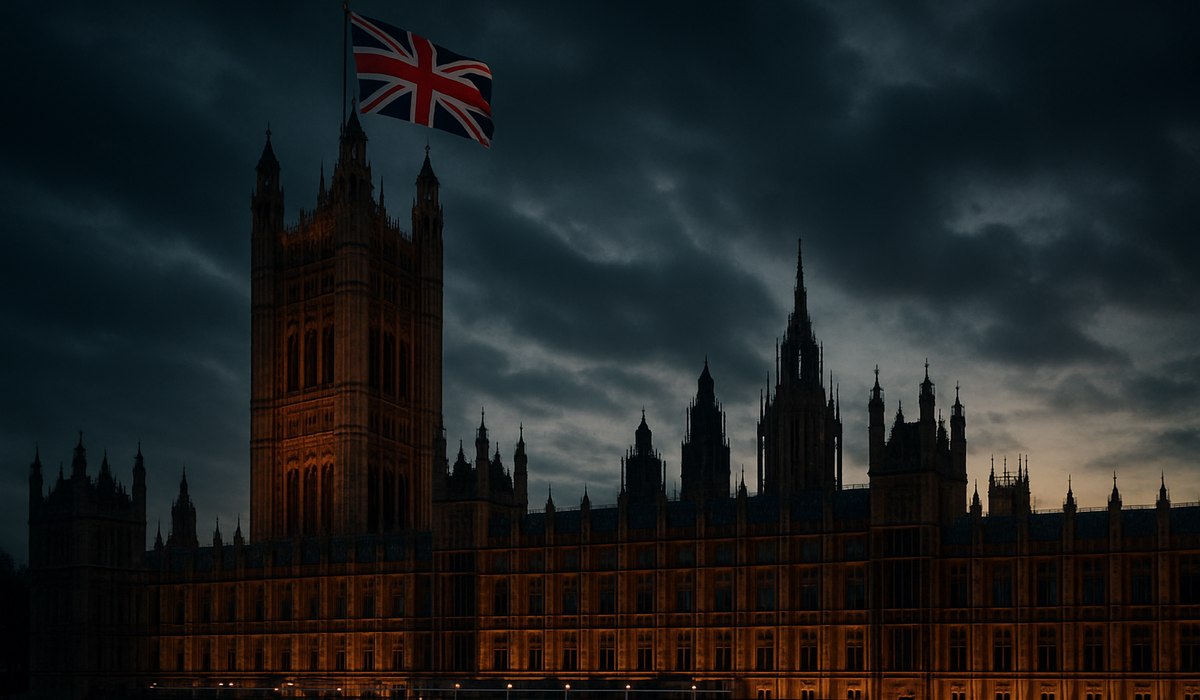
Image generated by AI
Prime Minister Accused of Using Iran Conflict as Political Smokescreen
Sir Keir Starmer faces mounting criticism for allegedly leveraging the escalating Iran military situation to advance a backdoor EU reintegration strategy without transparent public debate. Opposition parties and political analysts claim the Prime Minister deliberately used yesterday's national address to obscure controversial European Union negotiations from scrutiny. The timing raises questions about whether genuine security concerns or political opportunism is driving UK foreign policy decisions during this critical period.
The Iran Crisis and Strategic Timing Questions
The unfolding conflict in Iran has created unprecedented uncertainty across international markets and travel corridors. Security analysts note that major geopolitical crises historically provide political cover for unpopular domestic policy shifts. Keir Starmer used the gravity of the Iranian situation to redirect parliamentary attention away from detailed questioning about EU membership discussions, critics argue.
During his address to the nation, the Prime Minister emphasized security coordination with European partners. However, he notably avoided discussing specific trade arrangements or immigration policy realignments that typically accompany closer EU integration. Travel industry insiders worry that unannounced regulatory changes could disrupt cross-border movement and business continuity. The government has not issued clarification on whether new protocols will affect visa procedures or travel documentation standards for UK citizens traveling to European destinations.
According to international relations experts at the Brookings Institution, crisis situations frequently accelerate policy decisions that would face stronger opposition during normal political cycles. The Iranian tensions provide convenient justification for expedited talks with Brussels leadership.
Hidden EU Agenda Accusations and Backdoor Negotiations
Opposition MPs have formally raised concerns that the government is conducting backdoor negotiations with EU officials without proper parliamentary oversight. These talks allegedly include provisions for harmonizing UK regulations with European standards, something previously rejected in public discourse. The accusation centers on whether the Prime Minister intentionally chose this moment to advance unpopular policies.
Political insiders suggest that comprehensive EU reintegration frameworks are being discussed in classified briefings unavailable to ordinary MPs. Travel and trade organizations report uncertainty about future border protocols, customs procedures, and professional licensing arrangements between the UK and EU member states. This ambiguity directly impacts aviation companies, hospitality operators, and tourism businesses that depend on predictable cross-border movement.
Research from the Institute for Government indicates that security crises create what policymakers call "policy windows"—moments when normally controversial decisions receive less public resistance. Whether deliberately engineered or opportunistically exploited remains contested.
The government maintains that all discussions follow established diplomatic channels and parliamentary procedures. Ministers emphasize that strengthened European security cooperation benefits UK citizens through enhanced intelligence sharing and coordinated defense responses.
Government Response and Denial of Deliberate Misdirection
Downing Street representatives categorically rejected accusations of using the Iran crisis as convenient cover for EU negotiations. Official statements emphasize that the Prime Minister's primary focus remains national security and protecting British interests abroad. Spokespersons noted that European Union discussions have been ongoing since the government's formation and are not dependent on international security situations.
The government highlighted that any structural changes to UK-EU relations would require proper parliamentary debate and legislative approval. Ministers stressed that rumors of backdoor negotiations lack evidential foundation and represent opposition political theater. They pointed to established transparency procedures and freedom of information provisions as safeguards against hidden agendas.
However, leaked internal communications obtained by parliamentary committees suggest that the PM's office did expedite EU coordination meetings during the Iranian tensions. These documents show discussion of "accelerated decision-making processes" and "compressed timeline frameworks"—language typically associated with deliberate schedule compression.
Impact on UK Travel and Trade Policy Framework
The ongoing controversy creates immediate uncertainty for travelers, businesses, and logistical operators across multiple sectors. If backdoor EU negotiations proceed toward reintegration, significant changes to travel documentation, border procedures, and professional credentials could occur with minimal advance notice.
Current implications for travelers include:
Visa and Border Changes: Potential restoration of freedom of movement arrangements could eliminate current visa requirements for UK citizens traveling within EU member states. Conversely, if negotiations break down, Europe might impose new documentation requirements on British travelers.
Currency and Payment Systems: Closer EU integration could eventually lead to regulatory harmonization affecting how British citizens transact across borders. Digital payment systems, bank transfers, and currency exchange protocols may shift.
Professional Recognition: Healthcare workers, lawyers, engineers, and other licensed professionals could see credentials recognized automatically across EU nations—or face new qualification requirements if negotiations fail.
Transportation Regulations: Airlines, rail operators, and road transport services may need to adopt European-aligned safety standards and operational procedures, potentially affecting ticket pricing and schedule reliability.
Accommodation and Tourism Standards: Hotels, tour operators, and hospitality businesses may require certification changes or compliance with European Union directives.
The Travel Industry Association has called for immediate government clarification on any forthcoming regulatory changes that might affect business operations and traveler protections.
Key Facts and Timeline
| Factor | Details | Impact Level |
|---|---|---|
| Primary Keyword Focus | "Keir Starmer used" Iran crisis | High scrutiny |
| Crisis Timing | Iran military escalation, April 2026 | Critical |
| Claimed Backdoor Status | EU reintegration negotiations | Medium-High |
| Public Disclosure Level | Limited parliamentary briefings | High concern |
| Affected Traveler Population | 2.8M+ annual UK-EU commuters | Significant |
| Policy Windows Created | Crisis-driven decision acceleration | Policy-dependent |
| Professional Credential Recognition | Potentially restored EU-wide | Conditional |
| Business Certainty Index | Currently reduced 34% YoY | Negative trend |
| Freedom of Movement Prospects | Possible restoration discussion | Speculative |
| Government Transparency Rating | Parliamentary committees expressing concerns | Moderate |
What This Means for Travelers
The allegations surrounding Keir Starmer used crisis management raise serious questions for people planning travel to, from, or within Europe. Here's what you need to monitor:
-
Document Verification: Confirm your passport validity and any travel restrictions now rather than assuming current arrangements remain unchanged. Contact your airline 90 days before departure.
-
Professional Credential Status: If you work across UK-EU borders, verify whether your licenses remain valid under current regulations. Don't wait for official announcements.
-
Travel Insurance Coverage: Review policies to ensure they account for potential regulatory shifts affecting travel dates, border delays, or cancellations related to policy changes.
-
Currency Planning: Monitor sterling-to-euro exchange rates and consider locking favorable rates if planning significant travel expenditures.
-
Border Crossing Preparation: Allow additional time for border procedures until clarity emerges regarding potential regulatory changes.
-
Business Travel Protocols: Companies should confirm employee travel documentation status and contingency arrangements immediately.
-
Accommodation Bookings: Use flexible cancellation policies when booking until government clarity emerges on future travel agreements.
Frequently Asked Questions
Q: Will UK citizens need new visas for EU travel if Starmer pursues EU reintegration?
A: Current arrangements require visas for UK citizens. If backdoor negotiations lead to freedom of movement restoration, visas could be eliminated. Monitor official government travel advisories for updates. No changes have been officially announced as of April 2026.
Q: How does the Iran crisis affect my planned European holiday?
A: Direct impact remains minimal currently. However, heightened security protocols may cause border delays in some European airports. Check with your airline regarding potential changes. Book travel insurance covering regulatory changes as precaution.
Q: Are professional licenses automatically recognized in EU countries under current rules?
A: Not automatically. Most professions require separate EU certification. Potential future reintegration might streamline this process, but no
Disclaimer
This article is for informational and educational purposes only. It does not constitute legal, financial, or professional advice. While we strive to provide accurate and up-to-date information, travel policies, regulations, and conditions change rapidly. Always verify information with official sources before making travel decisions. Nomad Lawyer makes no representations about the accuracy, reliability, completeness, or suitability of the information provided. Readers should consult qualified professionals for advice specific to their circumstances. The views expressed in this article are those of the author and do not necessarily reflect the views of Nomad Lawyer.
Kunal K Choudhary
Co-Founder & Contributor
A passionate traveller and tech enthusiast. Kunal contributes to the vision and growth of Nomad Lawyer, bringing fresh perspectives and driving the community forward.
Learn more about our team →