
Kharg Island Military Occupation: Why Taking Is Easy, Holding Is Impossible
Trump's proposed kharg island military occupation of Iran's oil export hub risks transforming regional conflict into full-scale war. Ground troops would face constant bombardment just 20 miles from Iranian mainland.

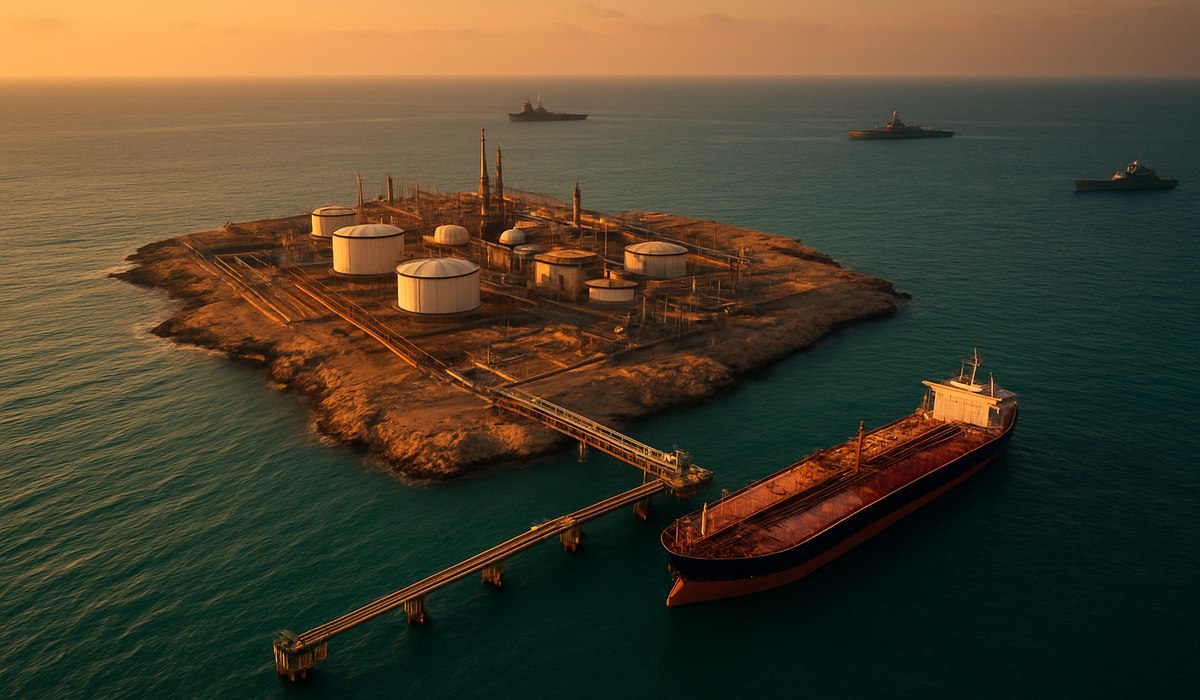
Image generated by AI
Breaking: Trump Administration Weighs Invasion of Iran's Critical Oil Hub
The Trump administration is actively considering a military occupation of Kharg Island, Iran's primary crude oil export facility situated in the Persian Gulf. While the island's seizure would present tactical simplicity for U.S. amphibious forces already positioned regionally, the strategic consequences of holding Iranian territory just 20 miles from the mainland would fundamentally transform the conflict into a prolonged, costly occupation. This escalation marks a critical threshold beyond previous airstrike campaigns, threatening to destabilize global energy markets and regional security dynamics throughout 2026.
Why Kharg Island Matters: Iran's Oil Chokepoint
Kharg Island handles approximately 90 percent of Iran's crude oil exports, making it the economic lifeblood of Tehran's petroleum revenue. The facility processes roughly 700,000 barrels daily, directly influencing global crude prices and energy stability. Trump's administration appears interested in leveraging this facility as coercive leverage, potentially forcing Iran to reopen the Strait of Hormuz under U.S.-favorable terms.
The island's strategic appeal extends beyond economics. Located in neutral international waters of the Persian Gulf, Kharg represents a discrete, highly visible target that captures policy objectives without addressing broader regional complexities. However, this very visibility transforms what military planners might frame as a "manageable operation" into a symbolically explosive occupation that regional actors cannot ignore. Historical precedent matters here—American ground occupations in Iraq and Afghanistan remain fresh territorial wounds across the Middle East, making any boots-on-ground deployment politically radioactive far beyond military calculations.
The Tactical Appeal and Strategic Danger
Kharg island military operations appear deceptively achievable from Washington's perspective. The U.S. Navy maintains substantial amphibious capacity in the region, including the USS Tripoli (LHA-7) and supporting Marine expeditionary units. Iran's conventional navy, significantly degraded through previous strikes and economic sanctions, presents minimal naval resistance. Airfield seizure and perimeter control would likely require days rather than weeks, according to military assessments.
This tactical accessibility creates dangerous strategic temptation. Supporters of intervention argue that denying Iran oil revenues would intensify economic pressure, potentially forcing policy concessions. Short-term occupiers could establish offshore platforms for negotiations while projecting American power across the Gulf region. The operation fits neatly into maximum-pressure campaign rhetoric—controlled, proportional, achievable.
Yet this calculus dangerously underestimates the political and military realities of occupying foreign territory adjacent to a hostile mainland. Taking an island and holding an island represent fundamentally different military objectives requiring completely different resource commitments and strategic tolerances.
Escalation Timeline: From Airstrikes to Ground Invasion
The kharg island military situation has already progressed through identifiable escalation phases during 2026. Initial U.S. airstrikes targeted airport facilities and military infrastructure while deliberately preserving oil production equipment—signaling tactical restraint amid strategic pressure. Trump subsequently threatened destruction of energy and water systems unless Iran accommodated American demands, escalating coercive rhetoric beyond kinetic operations.
Public statements about potential ground invasion represent the third escalation phase, moving discussion from remote strike campaigns toward territorial seizure. This progression suggests serious administration consideration of physical occupation beyond temporary punitive raids. Military planners likely view Kharg as a discrete bridgehead for expanding mainland operations, establishing forward positions for sustained pressure.
Each escalation phase faces different Iranian response calculations. Airstrikes demand military retaliation but preserve diplomatic off-ramps. Ground occupation removes ambiguity—it represents invasion by any reasonable definition, eliminating policy flexibility and forcing Tehran toward maximum-intensity responses. This psychological and strategic threshold crossing cannot be understated.
Crossing the Threshold: Why Occupation Changes Everything
A defense position on Kharg Island, regardless of stated duration or scale, places American personnel on territory less than 20 miles from the Iranian mainland. This proximity creates continuous vulnerability to asymmetrical attacks that require no advanced weaponry or sophisticated military operations. Iran could implement saturation bombardment using conventional rockets, artillery, drones, and anti-ship missiles stationed inland, inflicting constant attrition without conventional military engagement.
The island becomes a fixed target for distributed attacks. Iran wouldn't need to retake territory militarily—instead, Tehran could mine surrounding waters, strike support vessels, degrade logistics infrastructure, and maintain sustained psychological pressure. Occupying forces transform from mobile strike platforms into defensive garrisons forced to absorb punishment while politically unable to withdraw under fire without appearing defeated.
This political dimension proves equally consequential. American military doctrine and political messaging create perverse incentives toward prolonged occupation. Withdrawal while facing active opposition registers as strategic failure, encouraging commanders to maintain presence through mounting costs until circumstances permit "victory" narratives. What planners marketed as limited, temporary deployment easily morphs into indefinite occupation—mirror imaging Iraq and Afghanistan's trajectory.
Regional response patterns further compound occupation dangers. Other Middle Eastern actors—from Houthi forces to Hezbollah to proxy militias—perceive American territorial footprints as occupation targets justifying coordinated strikes. Sustained ground presence creates escalation ladders leading toward wider regional conflict rather than negotiated settlements.
Key Facts: Kharg Island Military Situation 2026
| Factor | Detail | Impact |
|---|---|---|
| Oil Export Volume | 90% of Iran's crude exports (~700,000 barrels daily) | Economic leverage point; global energy implications |
| Geographic Distance | Less than 20 miles from Iranian mainland | Within range of rockets, artillery, drones, missiles |
| U.S. Amphibious Assets | USS Tripoli (LHA-7) with Marine units deployed | Tactical capability for rapid island seizure |
| Iranian Naval Capacity | Significantly degraded by sanctions and strikes | Minimal naval resistance to invasion force |
| Strategic Threshold | First proposed ground occupation of Iranian territory | Transforms conflict from remote strikes to invasion |
| Regional Response | Historical occupations remain politically toxic | Proxy groups view ground presence as target |
| Escalation Cost | Occupation sustainability requires mainland expansion | Risk of full-scale regional conflict 2026-2027 |
What This Means for Travelers
Americans considering Persian Gulf region travel should understand that military escalation around Kharg Island creates direct consequences for civilian aviation, maritime commerce, and regional stability throughout 2026.
-
Flight Route Disruption: Persian Gulf airspace restrictions could redirect flights toward longer, costlier routing. Airlines serving Dubai, Abu Dhabi, and Qatar may experience schedule delays and increased ticket prices.
-
Cruise and Ferry Operations: Shipping insurance costs across the Persian Gulf have already spiked. Any ground occupation would further restrict maritime movement, potentially canceling or rerouting ferry services between Gulf ports.
-
Hotel and Tourism Availability: Uncertainty regarding military escalation drives cancellations in Dubai, Bahrain, and Kuwait tourism bookings. This creates availability volatility and sudden price fluctuations for accommodations.
-
Travel Insurance Requirements: Standard travel insurance may exclude claims related to war zones or military conflict. Review policy fine print carefully; upgrade to comprehensive coverage including evacuation provisions.
-
Visa and Entry Complications: Iran and potentially allied nations might implement travel restrictions for American citizens. Monitor consular websites for real-time updates before departure.
-
Embassy Guidance: The U.S. State Department maintains region-specific travel advisories. Consult updated guidance at state.gov before booking any Persian Gulf travel for 2026.
FAQ: Kharg Island Military Questions
What exactly is Kharg Island? Kharg Island is Iran's primary crude oil export facility in the Persian Gulf, handling 90 percent of Tehran's petroleum exports. The island houses production infrastructure, processing terminals, and airport facilities serving oil transport operations. Its economic significance makes it strategically valuable for coercive pressure campaigns.
**Why would the U.S
Disclaimer
This article is for informational and educational purposes only. It does not constitute legal, financial, or professional advice. While we strive to provide accurate and up-to-date information, travel policies, regulations, and conditions change rapidly. Always verify information with official sources before making travel decisions. Nomad Lawyer makes no representations about the accuracy, reliability, completeness, or suitability of the information provided. Readers should consult qualified professionals for advice specific to their circumstances. The views expressed in this article are those of the author and do not necessarily reflect the views of Nomad Lawyer.
Raushan Kumar
Founder & Lead Developer
Full-stack developer with 11+ years of experience and a passionate traveller. Raushan built Nomad Lawyer from the ground up with a vision to create the best travel and law experience on the web.
Learn more about our team →