
Trump Threatens Iran Oil, Demands Allies Reopen Strait of Hormuz
President Trump escalates pressure on Iran while calling international allies to independently restore access to the critical Strait of Hormuz in April 2026, threatening global shipping routes and travel logistics.

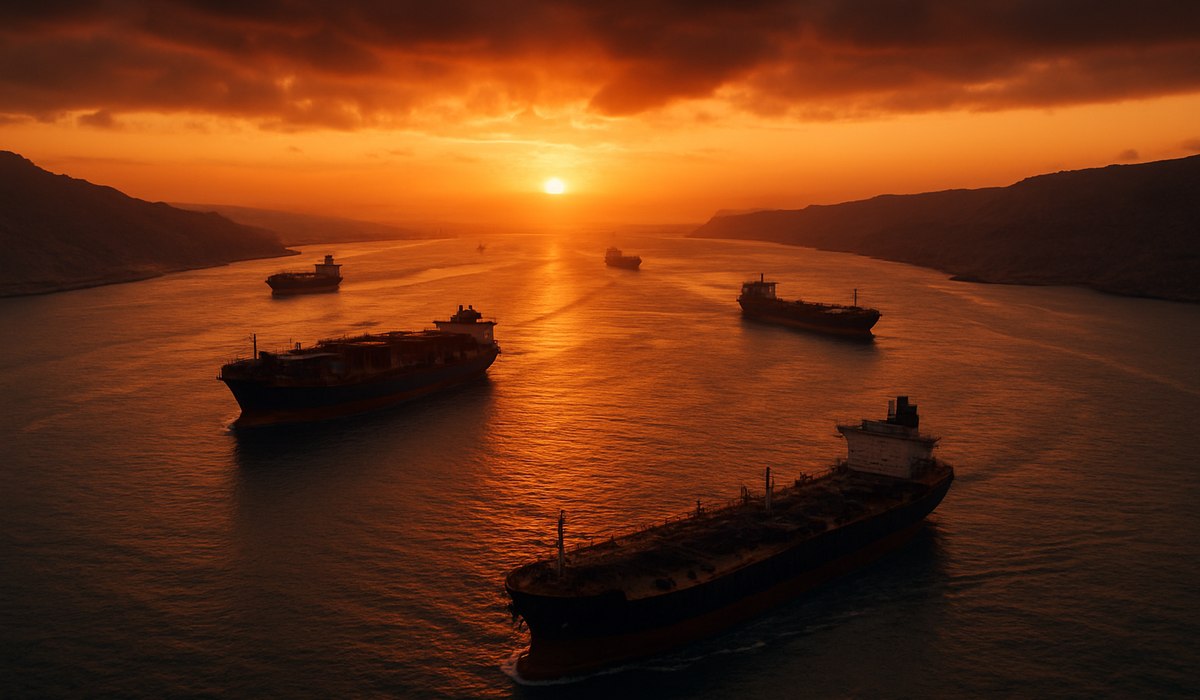
Image generated by AI
Breaking: Trump Escalates Iran Campaign While Pressing Allies on Strait of Hormuz
President Donald Trump has vowed to strike Iran's oil infrastructure during a White House address, simultaneously demanding that allied nations independently demonstrate resolve by reopening the strategically vital Strait of Hormuz. Speaking Wednesday evening, Trump characterized the ongoing pressure campaign against Tehran as "nearing completion" and described the diplomatic and economic component as the "hard part" requiring international cooperation. The coordinated messaging signals a shift toward transferring operational responsibility to regional partners while maintaining maximum economic pressure on Iranian energy exports.
Trump's Iran Campaign Strategy Escalates
Trump's latest directive represents a significant pivot in Middle East policy direction. Rather than announcing unilateral military action, the administration is publicly delegating responsibility for restoring critical maritime passage to international allies and regional stakeholders. This approach accomplishes multiple strategic objectives simultaneously: maintaining pressure on Iran's economy through threatened oil infrastructure strikes, while publicly testing allied commitment to Middle East stability.
The president's language regarding allies "showing courage" reflects frustration with previous diplomatic arrangements. Trump has consistently criticized multilateral agreements, signaling preference for decentralized enforcement mechanisms where individual nations assume responsibility for confronting Iranian expansion. The Strait of Hormuz represents the ultimate leverage point—controlling approximately 21 percent of global petroleum transit, making restoration efforts genuinely consequential for international energy markets and shipping logistics.
Analysts from major foreign policy institutions note this represents calculated brinkmanship. By publicly announcing intentions while simultaneously requesting allied action, Trump creates diplomatic space for negotiations while maintaining credible threat capability. The strategy acknowledges military options remain available while emphasizing preference for coordinated international response.
The Strait of Hormuz: Why It Matters for Global Trade
The Strait of Hormuz functions as the world's most critical maritime chokepoint, situated between Iran and Oman. Approximately 21 million barrels of crude oil and petroleum products transit daily through this narrow waterway, representing roughly one-fifth of global petroleum consumption. Disruption creates immediate economic shocks affecting fuel prices, shipping insurance premiums, and overall supply chain stability across international commerce.
For travelers and business professionals, Strait disruption translates to tangible consequences. International flights experience route modifications, occasionally extending flight times by several hours. Shipping delays cascade through consumer goods markets, affecting everything from electronics to automotive parts availability. Insurance costs for vessels transiting contested waters increase substantially, ultimately reflected in higher consumer prices for imported goods.
Historical disruptions demonstrate vulnerability severity. Previous Iranian threats to close the Strait triggered international military responses, with multiple naval powers maintaining constant presence. Current escalation creates genuine uncertainty regarding transit safety, even as major global powers maintain official commitment to maritime freedom principles.
The corridor's geopolitical significance exceeds purely economic considerations. Control over this chokepoint provides leverage in broader regional conflicts, explaining why multiple powers maintain active military presence. Effective corridor control directly influences Middle East geopolitical outcomes, making restoration efforts diplomatically complex.
International Response and Allied Pressure
Allied nations face competing pressures responding to Trump's demands. European partners, particularly those dependent on Middle East energy resources, require diplomatic assurances regarding military escalation risks. Gulf Cooperation Council members possess direct interest in Strait stability, yet face Iranian military capabilities and threats to regional infrastructure.
Saudi Arabia, United Arab Emirates, and other Gulf partners have quietly expanded military cooperation with Western powers. These arrangements remain officially limited to defensive capabilities, though Trump's rhetoric suggests potential escalation toward coordinated offensive operations. Regional powers balance commercial interests with security considerations, creating complex diplomatic negotiations.
European allies, particularly those maintaining sanctions compliance policies, experience different pressure calculations. France, Germany, and other European Union members have attempted independent diplomatic approaches with Tehran, directly conflicting with Trump administration maximalist strategies. This alliance friction undermines unified international response, potentially creating opportunities for Iranian maneuvering.
International maritime organizations including the International Maritime Organization have expressed concern regarding safety implications. Shipping industry representatives warn that prolonged uncertainty damages commercial confidence, encouraging rerouting through alternative passages that increase transit times and operational costs significantly.
Implications for Travel and Business Operations
Trump's escalation creates immediate consequences for international travel planning and business operations. Airlines operating Middle East routes face increased routing complexity and fuel surcharges. Passenger insurance costs increase accordingly, while flight duration uncertainty complicates scheduling precision.
Business travelers should anticipate several operational changes. Transit times through affected regions increase substantially due to rerouting requirements. Visa processing may experience delays as diplomatic tensions rise. Travel insurance policies require careful review regarding political unrest coverage, particularly for non-essential business travel.
Cargo shipping experiences more dramatic disruption. Container shipping routes experience significant delay increases, affecting just-in-time manufacturing schedules. Perishable goods face quality degradation risks during extended transit periods. Industries dependent on rapid supply chain logistics face margin compression and potential customer service disruptions.
Hotel and tourism operators throughout the Middle East and South Asia brace for potential booking cancellations. Business travelers often suspend non-essential travel during geopolitical uncertainty. Tourism revenue faces pressure as personal safety concerns override usual vacation planning.
Energy-dependent industries face cost pressures from potential oil price increases. Aviation fuel costs directly impact ticket pricing, while alternative energy sources provide limited immediate relief. Global supply chains originating outside Middle East regions experience competitive advantage shifts.
Key Data: Iran Sanctions Impact Timeline
| Metric | Current Status | Impact on Travel |
|---|---|---|
| Strait of Hormuz Daily Transit | 21 million barrels/day | Flight route modifications, fuel surcharges |
| Global Petroleum Transit Share | 21% | Energy cost increases, ticket price pressure |
| Average Reroute Distance Increase | 3,000+ nautical miles | 5-15 day shipping delays, higher insurance |
| Oil Price Volatility Index | Elevated | Airline fuel hedging costs increase 8-12% |
| Insurance Premium Increase | 15-25% typical | Additional cargo shipping costs compound |
| Regional Flight Cancellations | 8-12% industry-wide | Reduced seat availability, higher fares |
What This Means for Travelers
Actionable steps for international travelers addressing current uncertainty:
-
Verify Route Safety: Consult airline websites and U.S. State Department travel advisories before booking Middle East flights. Airlines modify routes frequently during geopolitical tension periods, potentially affecting connections and total travel time significantly.
-
Purchase Comprehensive Insurance: Obtain travel insurance explicitly covering political unrest, flight cancellations, and medical emergencies in conflict zones. Standard policies often exclude geopolitical complications, leaving travelers financially exposed during disruptions.
-
Build Schedule Buffer: Add 24-48 hours of additional buffer time for international business trips involving Middle East transit. Routing modifications and security procedures increase unpredictability throughout affected regions substantially.
-
Monitor Fuel Surcharges: Watch airline pricing trends closely, as fuel hedging costs typically appear as surcharges within 3-5 days following geopolitical escalation announcements. Early booking captures lower fares before market reactions fully materialize.
-
Review Visa Timing: Process required visas immediately rather than delaying until final trip confirmation. Diplomatic tension increases visa processing delays across Middle East embassies and consulates significantly.
-
Communicate with Employers: Alert human resources and travel management regarding route uncertainty. Flexibility in scheduling prevents last-minute disruption costs that commonly exceed planned travel budgets substantially.
Frequently Asked Questions
Q: Should I cancel existing Middle East travel plans?
Consult current State Department travel advisories for your specific destination. Most major tourism hubs remain open, though military conflict zones warrant immediate cancellation. Airlines provide rebooking options without penalties during elevated threat periods, offering flexibility without financial penalty.
Q: How long do Strait disruptions typically last?
Historical disruptions range from days to months depending on diplomatic resolution progress. Current situation remains fluid with uncertain resolution timeline. Purchasing flexible tickets enables modification as circumstances develop without complete trip cancellation.
Q: Will flight prices increase significantly?
Disclaimer
This article is for informational and educational purposes only. It does not constitute legal, financial, or professional advice. While we strive to provide accurate and up-to-date information, travel policies, regulations, and conditions change rapidly. Always verify information with official sources before making travel decisions. Nomad Lawyer makes no representations about the accuracy, reliability, completeness, or suitability of the information provided. Readers should consult qualified professionals for advice specific to their circumstances. The views expressed in this article are those of the author and do not necessarily reflect the views of Nomad Lawyer.
Kunal K Choudhary
Co-Founder & Contributor
A passionate traveller and tech enthusiast. Kunal contributes to the vision and growth of Nomad Lawyer, bringing fresh perspectives and driving the community forward.
Learn more about our team →