
Military Defense Force Deploys A-10 Warthogs to RAF Lakenheath Amid Iran Tensions 2026
The U.S. Air Force deployed 12 A-10C Thunderbolt II aircraft to RAF Lakenheath in Suffolk on April 1, 2026, strengthening military presence near Iran despite decades-long Pentagon retirement plans for the iconic Warthog.

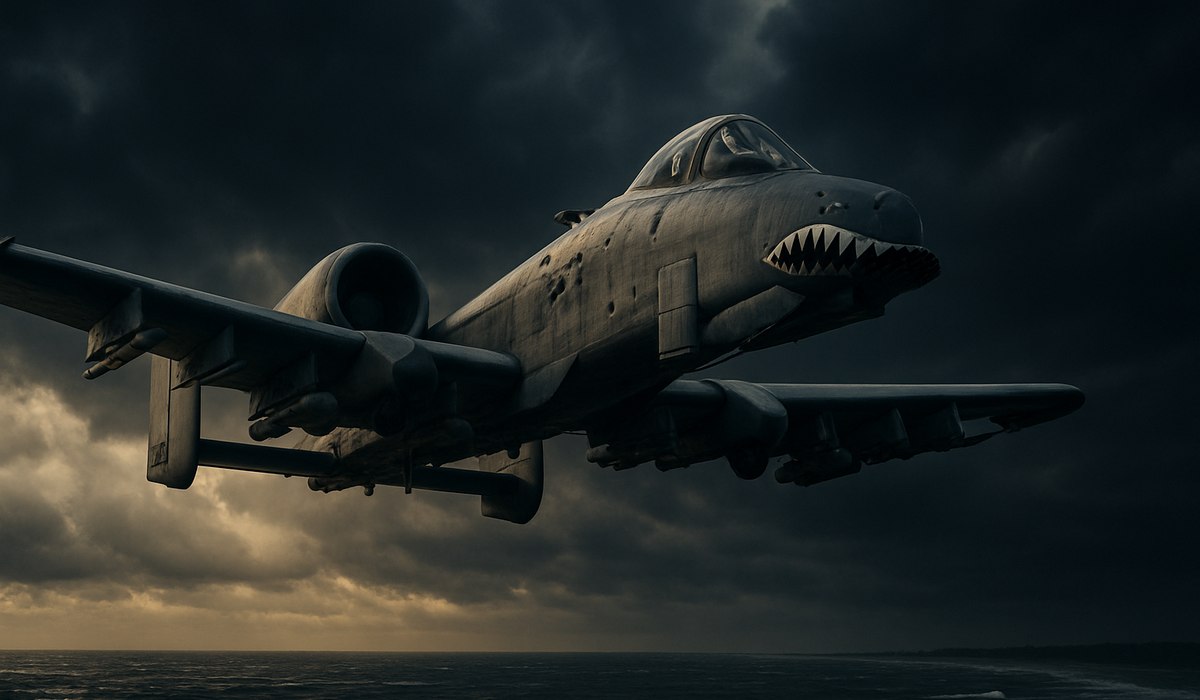
Image generated by AI
U.S. Military Defense Force Bolsters Regional Presence with A-10 Warthog Deployment
Twelve A-10C Thunderbolt II attack aircraft touched down at RAF Lakenheath in Suffolk on Monday evening, April 1, 2026, marking a significant escalation in U.S. military positioning amid escalating Iran tensions. The aircraft, nicknamed Warthogs and bearing Michigan Air National Guard markings, arrived in two waves of six jets each, with additional contingents expected to follow. This deployment underscores renewed commitment to the military defense force strategy in the Middle East region, even as political leadership suggests accelerated diplomatic timelines for conflict resolution.
The arrival prompted hundreds of aviation enthusiasts to gather at the British air base, observing the transatlantic transit of these specialized close-air-support platforms. The movement reveals Pentagon strategy prioritizing persistent aerial coverage over contested maritime zones and coastal defense operations.
The A-10 Warthog's Reluctant Return to Service
For over a decade, the U.S. Air Force has pursued retirement of the A-10 Thunderbolt II, seeking to redirect defense budgets toward fifth-generation fighter platforms. However, the aircraft's exceptional loitering capability, precision targeting systems, and resilience in combat zones continue driving operational commanders to request continued deployments.
The A-10's design specifically targets scenarios requiring extended airtime over hostile territory. Its rotating Gatling gun, coupled with advanced avionics, makes it irreplaceable for anti-shipping operations and coastal threat suppression. Military strategists recognize that newer platforms like the F-35 cannot adequately replicate these specialized roles within the current operational framework.
Recent combat operations across the Middle Eastern theater have vindicated the Warthog's operational value. Multiple commanders have vocally supported the aircraft's continued service, creating political pressure that consistently overrides retirement directives. This perpetual stay of execution represents a rare example of field requirements triumphing over Pentagon consolidation initiatives. For more information on military aircraft deployments, consult U.S. Central Command's official operations briefings.
Deployment to RAF Lakenheath: Strategic Significance
RAF Lakenheath, located in Suffolk's agricultural heartland, serves as a critical hub for U.S. forward-deployed aviation assets in Europe. The base's geographic positioning enables rapid response timelines to Middle Eastern contingencies while maintaining alliance relationships with United Kingdom defense authorities.
The arrival of a substantial A-10 contingent signals Pentagon assessment that regional tensions will persist beyond immediate diplomatic windows. The military defense force infrastructure at Lakenheath can accommodate sustained operations, maintenance rotations, and pilot training schedules necessary for extended deployment cycles.
Notably, open-source aviation tracking data documented KC-135 Stratotanker support from RAF Mildenhall coordinating the transatlantic crossing. This logistical coordination demonstrates the interconnected nature of modern military airlift and refueling operations spanning European infrastructure. Such movements require weeks of advanced planning, suggesting decision-making authority viewed escalation as probable despite optimistic political rhetoric.
The deployment also reinforces alliance commitments to NATO partners concerned about regional stability. British government officials, while not publicly commenting on specific sortie planning, have acknowledged coordinated defense postures with American counterparts. Learn more about RAF operations through the RAF's official media resources.
Trump's Iran Strategy and Military Positioning
President Trump, in statements issued March 31, suggested military objectives could be achieved within accelerated timelines while simultaneously questioning sustained international commitment to maritime security operations. His remarks emphasizing European responsibility for Strait of Hormuz protection implied reduced long-term American presence assumptions.
This rhetorical positioning creates strategic ambiguity. Military planners typically operate under worst-case scenario assumptions, deploying additional assets regardless of political statements suggesting imminent de-escalation. The A-10 contingent appears to reflect this operational conservatism—reinforcing existing capabilities while political negotiations proceed.
Trump's challenge to European allies regarding energy security and military autonomy suggests America-first positioning on regional defense burden-sharing. However, the continued deployment of specialized military assets indicates Pentagon confidence that degrading Iranian military capabilities remains the operational priority, regardless of diplomatic trajectory discussions.
The military defense force approach evidently prioritizes maintaining superior position throughout any negotiation process, ensuring American technological and numerical advantages persist regardless of political outcomes.
Why the Pentagon Keeps the Warthog Flying
Beyond sentimental attachment, the A-10's continued service reflects genuine operational gaps in military defense force capabilities. The aircraft's specific design for close-air-support and anti-armor missions cannot be adequately replaced by existing or near-future platforms within current defense budgets.
The Warthog's titanium bathtub cockpit design provides unparalleled pilot survivability against small-arms fire and light anti-aircraft threats. Its combination of loitering endurance, weapons payload, and precision targeting makes it invaluable for contested airspace operations where advanced air defense systems remain present but not dominant.
Financial considerations also favor continuation. Retiring functional A-10s while simultaneously developing expensive fifth-generation replacements strains defense budgets. Operational commanders consistently request additional Warthog sorties when supporting ground operations, creating congressional pressure to maintain production and operational squadrons.
Pilot communities actively advocate for continued A-10 operations, viewing the aircraft as offering superior tactical value compared to faster but less-maneuverable alternatives. This grassroots professional support, combined with consistent combat validation, ensures the A-10 survives institutional pressure toward retirement. Read more about modern military aircraft strategy through U.S. Air Force official statements.
Key Military Deployment Data
| Metric | Details |
|---|---|
| Aircraft Deployed | 12 A-10C Thunderbolt II |
| Arrival Location | RAF Lakenheath, Suffolk, United Kingdom |
| Deployment Date | April 1, 2026 |
| Source Unit | Michigan Air National Guard (markings observed) |
| Arrival Pattern | Two waves of six aircraft each |
| Support Aircraft | KC-135 Stratotanker (refueling support) |
| Support Base | RAF Mildenhall |
| Pentagon Operations | Operation Epic Fury (Iran-focused campaign) |
| Previous A-10 Targets | 120+ naval vessels, 44 mine-laying craft |
| Air Force Retirement Timeline | Attempted for 10+ years; repeatedly postponed |
| Stated Mission Focus | Anti-shipping, coastal defense, Strait of Hormuz operations |
| Enthusiast Response | Hundreds gathered at RAF Lakenheath to observe arrivals |
What This Means for Travelers
Increased military activity across the Middle East and European airbases creates several practical considerations for business and leisure travelers:
-
Flight Routing Changes: Commercial airlines may implement modified flight paths around military operation zones. Affected routes typically include Middle Eastern corridors and Eastern Mediterranean approaches. Monitor airline notifications regarding potential schedule adjustments affecting Turkey, Gulf states, and eastern Mediterranean destinations.
-
Airport Security Expansion: RAF Lakenheath and other U.S. military installations increase security protocols during major asset arrivals. Nearby civilian airports may experience temporary processing delays as security resources distribute across military and commercial operations.
-
Accommodation Availability: Rural communities surrounding military bases experience temporary accommodation shortages when significant unit movements occur. Travelers planning visits to Suffolk or nearby regions should book accommodations in advance, particularly within 30 miles of RAF Lakenheath.
-
Airspace Restrictions: Military training operations increase temporary flight restrictions (TFRs) across portions of European and Middle Eastern airspace. Private aircraft operators should monitor FAA and EUROCONT
Disclaimer
This article is for informational and educational purposes only. It does not constitute legal, financial, or professional advice. While we strive to provide accurate and up-to-date information, travel policies, regulations, and conditions change rapidly. Always verify information with official sources before making travel decisions. Nomad Lawyer makes no representations about the accuracy, reliability, completeness, or suitability of the information provided. Readers should consult qualified professionals for advice specific to their circumstances. The views expressed in this article are those of the author and do not necessarily reflect the views of Nomad Lawyer.
Preeti Gunjan
Contributor & Community Manager
A passionate traveller and community builder. Preeti helps grow the Nomad Lawyer community, fostering engagement and bringing the reader experience to life.
Learn more about our team →