
Kazakhstan Tourism Boom Lures Australian Travelers to Silk Road Trails as Europe Alternative in 2026
Australian travelers are increasingly swapping traditional European vacations for Kazakhstan, driven by visa-free entry and new Silk Road itineraries through Central Asia.

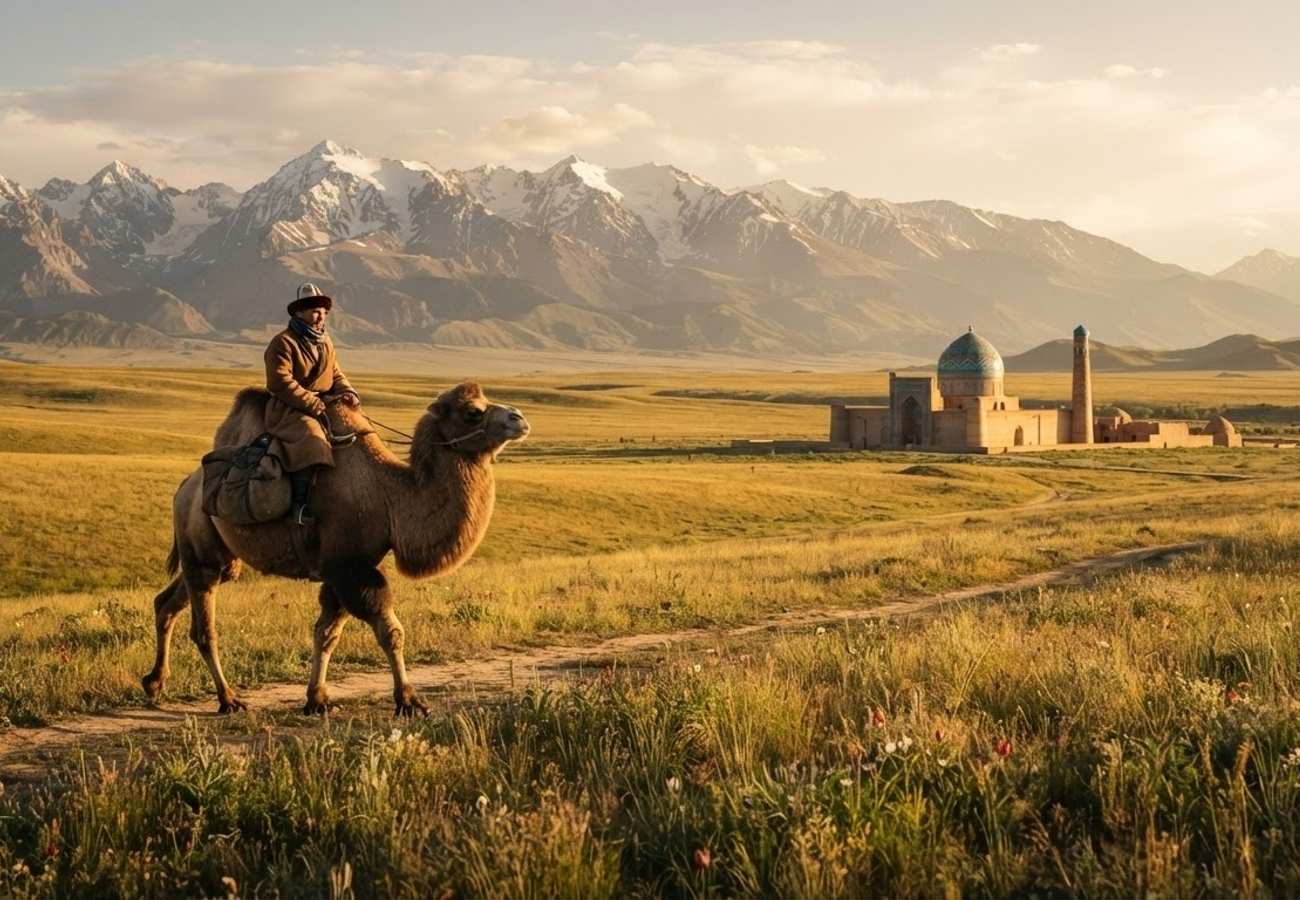
Image generated by AI
Australian travelers are increasingly abandoning traditional European circuits in favor of Kazakhstan, lured by a combination of visa-free access, expanded aviation connectivity, and the allure of the ancient Silk Road. Industry data indicates a significant shift in long-haul demand, with tour operators reporting a surge in bookings for itineraries that blend the vast steppes of Central Asia with the futuristic skylines of Astana and Almaty.
For decades, the "Grand Tour" of Europe has been the gold standard for Australians on extended leave. However, a growing segment of the market is now pivoting east. Travel agencies in major hubs like Perth and Adelaide are reporting a rise in requests for journeys through "the Five Stans"—Kazakhstan, Kyrgyzstan, Uzbekistan, Tajikistan, and Turkmenistan. These routes are being positioned not merely as niche adventures, but as comprehensive alternatives to multi-week European coach tours.
Central Asian Pivot Shifts Australian Travel Patterns
The shift toward Central Asia represents a strategic change in how Australian tourists perceive long-haul destinations. Rather than navigating the crowded capitals of Western Europe, travelers are opting for the stark contrasts of Kazakhstan, where Soviet-era modernism meets alpine peaks and deep canyons.
Specialist agencies have aggressively expanded their portfolios to include small-group journeys that utilize Almaty or Astana as primary anchors. These itineraries typically loop through legendary Silk Road cities such as Bukhara and Samarkand, framing Kazakhstan as both the essential gateway and a primary destination. Operators have already scheduled departures extending through 2025, 2026, and 2027, suggesting that this is a structural shift in travel preferences rather than a fleeting trend.
Visa-Free Entry Removes Administrative Barriers
One of the primary catalysts for this boom is the simplification of border formalities. According to reports from Kazakhstan’s foreign ministry and official Australian government advisories, Australian passport holders currently enjoy visa-free entry for short-term stays of up to 30 days.
This regulatory ease places Kazakhstan on a similar footing to many European destinations, removing the bureaucratic friction that previously deterred independent explorers. Furthermore, regional cooperation across Central Asia has relaxed entry requirements for Kyrgyzstan and Uzbekistan, allowing tour groups to transit borders with unprecedented fluidity. For the Australian traveler, this mirrors the convenience of the Schengen Area, making a multi-country Central Asian expedition logistically feasible for the first time.
Custom Silk Road Itineraries Target English-Speaking Markets
Tour operators are now deploying highly specific packages tailored to the Australian and New Zealand markets. These curated experiences often begin with the architectural contrasts of Almaty before venturing into the natural wonders of Charyn Canyon and the high-altitude beauty of Kaindy and Kolsai lakes.
A prominent example of this trend is a 23-day comprehensive program scheduled for 2026 and 2027. This expansive circuit connects the desert craters of Turkmenistan, the historic mosques of Uzbekistan, and the rugged mountain passes of Tajikistan and Kyrgyzstan, with significant time allocated to the urban centers of Kazakhstan.
While these premium, hosted journeys are priced to compete with high-end European tours, they offer a distinct value proposition based on novelty. The appeal lies in experiencing landscapes—such as the endless steppe and remote canyons—that remain largely undiscovered by the general Australian public compared to the well-trodden paths of the Mediterranean or the Alps.
Aviation Connectivity via Middle Eastern and Asian Hubs
While direct non-stop flights between Australia and Kazakhstan remain unavailable, the complexity of reaching the region has plummeted due to the expansion of global aviation hubs. Kazakhstan’s national carrier has increased frequencies from Almaty and Astana to key points in Europe and Asia, creating a more seamless connection for long-haul passengers.
Current routing patterns for Australians typically involve a single stop in major transit hubs, including:
- Dubai (DXB)
- Abu Dhabi (AUH)
- Doha (DOH)
- Major East Asian hubs
By leveraging the ultra-long-haul networks of Gulf and Asian carriers, travel agencies are constructing itineraries that keep total transit times competitive with flights to secondary European cities. Many group packages now bundle all international and regional flights into a single price point, reducing the stress of multi-carrier ticketing for older travelers and first-time visitors to the region.
Economic Appeal and Seasonal Alignment
Beyond the logistics, the financial and climatic advantages of Kazakhstan are playing a decisive role. Industry observers note that Kazakhstan and its neighbors offer significantly better value for money than Western Europe, particularly regarding local transport, dining, and independent excursions outside the capital cities.
From a timing perspective, the ideal window for visiting the Silk Road runs from April to October. This aligns perfectly with the cooler months in Australia and coincides with traditional long-service leave and gap-year cycles. By traveling during the Central Asian spring and autumn, Australians can avoid the oppressive heat of the summer and the extreme cold of the northern winter, while escaping the peak-season crowds that plague Europe's primary tourist sites.
Why This Matters: The Traveler's Perspective
For the modern traveler, the rise of Kazakhstan as a destination signifies a broader desire for "Information Gain"—the search for experiences that are not yet saturated by social media or mass tourism. From a logistical standpoint, the transition from a visa-heavy region to a visa-free zone transforms Central Asia from a "bucket list" dream into a practical reality.
For those accustomed to the high costs of the Euro or British Pound, the relative affordability of the Kazakhstani Tenge allows for a more luxurious experience—such as private guided tours or high-end guesthouses—that would be prohibitively expensive in Paris or Rome. Ultimately, this trend highlights a growing appetite for authentic, rugged exploration over sanitized tourist corridors.
As the Silk Road awakens for a new generation of explorers, Kazakhstan stands as the new frontier for the adventurous Australian spirit.
Related Travel Guides
Disclaimer
This article is for informational and educational purposes only. It does not constitute legal, financial, or professional advice. While we strive to provide accurate and up-to-date information, travel policies, regulations, and conditions change rapidly. Always verify information with official sources before making travel decisions. Nomad Lawyer makes no representations about the accuracy, reliability, completeness, or suitability of the information provided. Readers should consult qualified professionals for advice specific to their circumstances. The views expressed in this article are those of the author and do not necessarily reflect the views of Nomad Lawyer.
Kunal K Choudhary
Co-Founder & Contributor
A passionate traveller and tech enthusiast. Kunal contributes to the vision and growth of Nomad Lawyer, bringing fresh perspectives and driving the community forward.
Learn more about our team →