
Kazakhstan and Central Asian Nations Tighten Border Health Controls Following Russian Health Scare 2026
Kazakhstan, Uzbekistan, Kyrgyzstan, and Tajikistan have implemented heightened sanitary-quarantine measures at state borders following a suspected infectious disease case in Russia's Irkutsk region.

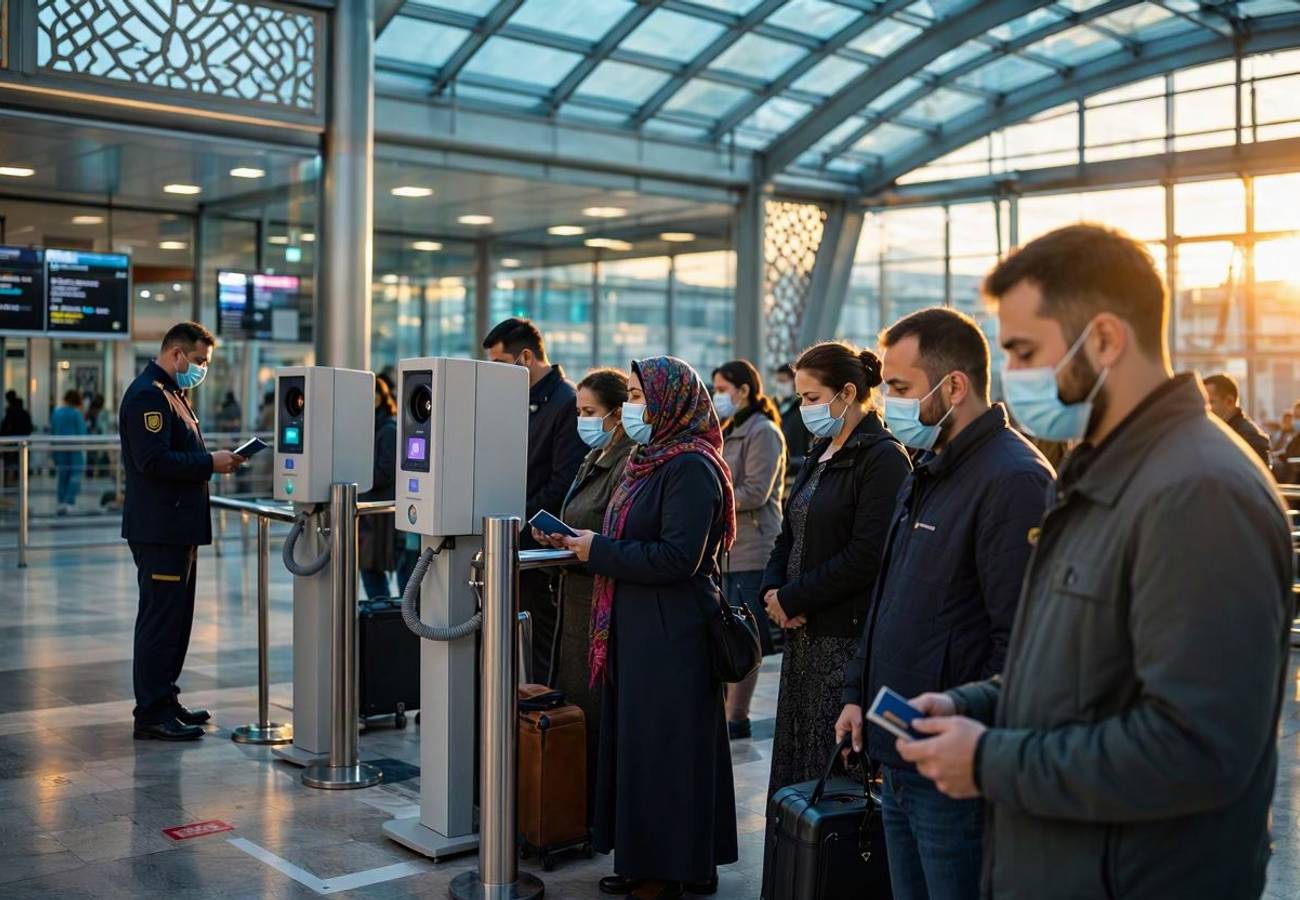
Image generated by AI
Border health screenings across Central Asia have shifted from routine checks to heightened surveillance in under 72 hours, signaling a rapid regional response to a localized health event in Russia. This sudden pivot in security posture across four nations demonstrates a coordinated effort to prevent the importation of infectious diseases, specifically following a fatality at a specialized research facility in Siberia.
The Health Security Trigger in Numbers
The current regional alert stems from a specific incident in the Irkutsk region of Russia. On October 2, 2026, a 28-year-old employee of the Irkutsk Research Anti-Plague Institute of Siberia and the Far East died after being hospitalized with severe pneumonia. While the death sparked immediate fears of Yersinia pestis (the bacterium responsible for the plague), Russian health authorities have not officially confirmed a plague outbreak, attributing the death instead to pneumonia of undetermined origin.
Despite the lack of an official outbreak declaration, the scale of the precautionary response is significant:
- 197 individuals were placed under immediate medical observation as primary contacts.
- Zero symptoms were detected among those contacts during initial assessments.
- Negative laboratory results were returned for all monitored contacts.
- Full restrictions were temporarily implemented at the Shelekhov District Hospital to manage the case.
Regional Response and Surveillance Benchmarks
The reaction from Central Asian neighbors has been swift, moving from standard operational modes to "heightened" or "increased readiness" regimes. This is not an isolated set of reactions but a synchronized regional strategy. Kazakhstan, as a primary economic and transport hub for Russian traffic, has implemented the most visible changes, integrating fever monitoring and infectious disease screening across all international gateways, including air, rail, and road checkpoints.
The following table breaks down the specific surveillance shifts by country:
| Country | Current Security Status | Primary Surveillance Focus | Scope of Screening |
|---|---|---|---|
| Kazakhstan | Heightened | Fever & Infectious Symptoms | All international airports, rail, and road ports |
| Uzbekistan | Increased Readiness | Epidemiological Monitoring | Sanitary-epidemiological service alerts |
| Kyrgyzstan | Heightened Regime | Passenger, Vehicle, and Cargo | Integrated transport channel surveillance |
| Tajikistan | Reinforced | Symptomatic Detection | Temperature monitoring at border points |
This regional alignment follows the "Exercise CARAVAN 2026" conducted in September 2026, where Kazakhstan, Kyrgyzstan, Uzbekistan, and Turkmenistan simulated a zoonotic disease emergency. This exercise, coordinated with standards often cited by the World Health Organization (WHO), provided the framework for the current rapid communication and risk assessment phase.
What This Means for Travelers
For individuals traversing the Central Asian corridor in Q4 2026, these measures do not currently constitute a border closure, but they do introduce new friction into the travel experience.
- Expect Increased Transit Times: Travelers crossing from Russia into Kazakhstan or Kyrgyzstan should account for additional time at checkpoints. Temperature screenings and health questionnaires are now standard.
- Documentation Readiness: While no new visas are required, carrying a current health declaration or proof of recent medical clearance may expedite your passage through sanitary-quarantine zones.
- Cargo and Vehicle Inspections: If you are traveling by road or transporting goods into Kyrgyzstan, expect more rigorous inspections of vehicles and cargo, as surveillance has expanded beyond human passengers.
- Monitor Official Channels: Travelers should track updates via the International Air Transport Association (IATA) to see if these precautionary measures evolve into formal travel restrictions.
Forward Projection: Resilience Over Restriction
The current trajectory suggests that Central Asia is moving toward a "resilience model" of tourism. Rather than implementing blanket bans—which devastated regional economies during previous health crises—these nations are utilizing targeted, data-driven screening to keep borders open.
By investing in the ability to detect a single symptomatic traveler among thousands, these countries are attempting to protect their growing international tourism sectors. If the Irkutsk situation remains contained, these heightened measures will likely become the new baseline for regional health security, ensuring that future threats are managed through surveillance rather than total shutdowns.
FAQ: Central Asia Border Security 2026
Are borders closed between Russia and Kazakhstan? No. Borders remain open, but sanitary-quarantine controls have been strengthened. Travelers should expect temperature checks and health screenings upon entry.
Is there an active plague outbreak in Russia? Russian authorities have not officially confirmed a plague outbreak. The death of the institute employee was attributed to pneumonia of undetermined origin, though precautions remain high.
Will these measures increase travel costs? There is no current data suggesting an increase in ticket prices or visa fees. However, transit times may increase due to more rigorous health screenings at checkpoints.
Which countries are participating in these health checks? Kazakhstan, Uzbekistan, Kyrgyzstan, and Tajikistan have all reinforced their border health protocols in response to the situation in Irkutsk.
Preventive surveillance is the only bridge between total border closure and uninterrupted global mobility.
Related Travel Guides
Disclaimer
This article is for informational and educational purposes only. It does not constitute legal, financial, or professional advice. While we strive to provide accurate and up-to-date information, travel policies, regulations, and conditions change rapidly. Always verify information with official sources before making travel decisions. Nomad Lawyer makes no representations about the accuracy, reliability, completeness, or suitability of the information provided. Readers should consult qualified professionals for advice specific to their circumstances. The views expressed in this article are those of the author and do not necessarily reflect the views of Nomad Lawyer.
Preeti Gunjan
Contributor & Community Manager
A passionate traveller and community builder. Preeti helps grow the Nomad Lawyer community, fostering engagement and bringing the reader experience to life.
Learn more about our team →