
South Korea Records $596.6 Million Travel Surplus on K-Culture Boom
South Korea posted a $596.6 million travel surplus, the first in nearly 18 years, driven by the global expansion of the K-Wave.
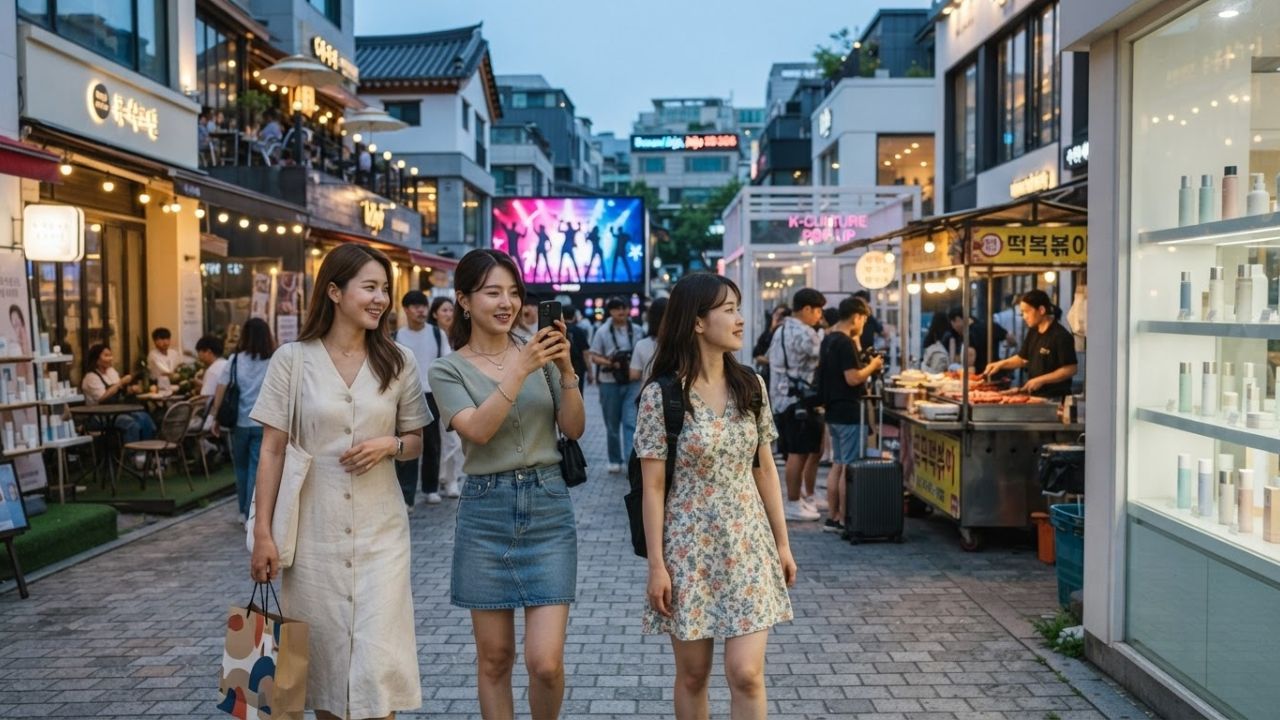
Image generated by AI
Recording a travel account surplus of $596.6 million—marking the first comparable monthly surplus in nearly 18 years—South Korea is experiencing an economic boom driven by global K-culture consumer spending.
The Core Transit Update
Regional rail transit systems and international aviation portals across South Korea are managing record passenger spending volumes. According to the 2025 Global Hallyu Trend Analysis Report released by the Ministry of Culture, Sports, and Tourism (MCST) on February 25, 2026, foreign traveler spending has generated a record-breaking services surplus.
To support the influx of K-pop concertgoers, K-beauty shoppers, and drama location tour groups, transit schedules link Incheon International Airport (ICN) via high-speed rail to filming hotspots and brand hubs in Seoul, Busan, Jeju, and Gangwon Province. Rather than confining activity to typical city monuments, incoming travelers are organizing their itineraries around pop-up stores, cosmetic treatment clinics, and culinary food trails.
Hallyu Survey Indicators & Visitor Preferences
Planning a culture-focused trip to South Korea requires analyzing visitor preferences and tracking regional destination cards. The following tables outline the Hallyu travel indicators and compare first associations with Korea.
| South Korea Tourism Balance Indicator | Stated Metric Value | Stated Historical Significance |
|---|---|---|
| Monthly Travel Account Surplus | $596.6 million surplus | First comparable surplus in nearly 18 years |
| Hallyu Survey Media Analysis Pool | 1.5 million items | 2025 global trend report analysis across 30 countries |
| Willingness to Visit (Hallyu Exp) | 64.1% of respondents | High translation from media consumer to tourist |
| Traditional Culture Experience | 54.1% of respondents | Diversifies itinerary interest away from modern spots |
South Korea balance of payments surplus and K-culture traveler interest.
| Core Hallyu Sector / Association | First Association Share (%) | Expressed Buyer / Traveler Product Interest (%) |
|---|---|---|
| K-Pop (Music & Concerts) | 17.8% of respondents | High ticket & fan merchandise consumption |
| Korean Food (Cuisine) | 11.8% of respondents | 66.2% interest in food tourism and restaurants |
| Korean Dramas (TV & Films) | 8.7% of respondents | High demand for regional film locations |
| K-Beauty (Skincare) | 6.4% of respondents | 57.1% interest in cosmetics and spa visits |
Hallyu survey results: first associations and visitor interest categories.
Traveler Logistics Guide
From a ground-level perspective, the best way to navigate this is to buy a regional KTX train pass before your arrival to easily travel between drama filming locations in Seoul, Busan, and Incheon, as booking individual high-speed rail tickets during concert weekends can be difficult due to high domestic demand. Checking hotel options near concert venues is recommended.
To plan your cultural holiday:
- Allow Safe Transit Windows: Popular K-pop pop-up stores in Seoul's Seongsu-dong district require queue reservations. Schedule visits on weekday mornings to avoid long waiting times.
- Review Hallyu Survey Context: The 2025 Hallyu survey data (collected between November 29 and December 27, 2024 across 28 regions) confirms that food (66.2%) and beauty (57.1%) are top interest categories. Check out food trails like the "Taste your Korea" routes.
- Coordinate Filming Tours: Use regional tourism brochures in Busan and Gangwon Province to locate exact street coordinates for popular television show backdrops.
- Prepare for Custom Limits: When buying K-beauty products at flagship stores in Myeongdong, present your passport at the counter to secure immediate tax-free discounts.
Infrastructure Impact Assessment
The development of film-location walking paths and the integration of ticket-booking apps with public transit protect regional municipal transport operators.
By directing traveler spending to local guesthouses, neighborhood restaurants, and regional train systems across Jeju and Incheon, the K-Wave boom generates local tax revenues, funds public transport expansions, and balances visitor footprint away from overcrowded capital shopping districts.
Related Travel Guides
Disclaimer
This article is for informational and educational purposes only. It does not constitute legal, financial, or professional advice. While we strive to provide accurate and up-to-date information, travel policies, regulations, and conditions change rapidly. Always verify information with official sources before making travel decisions. Nomad Lawyer makes no representations about the accuracy, reliability, completeness, or suitability of the information provided. Readers should consult qualified professionals for advice specific to their circumstances. The views expressed in this article are those of the author and do not necessarily reflect the views of Nomad Lawyer.