
India Tourism Surge Drives Record Premium Luggage Market Expansion
India's luggage market reaches Rs. 18,000 crores as domestic tourism and short weekend escapes fuel unprecedented demand for premium branded travel accessories.

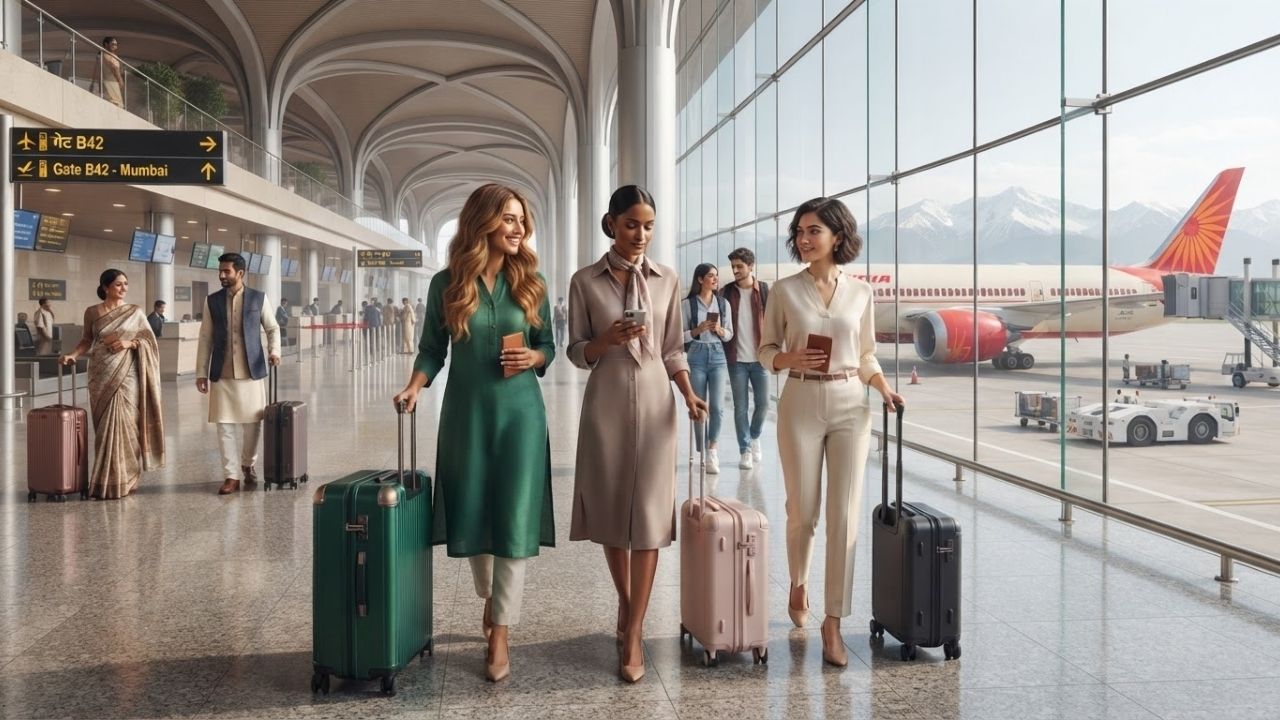
Image generated by AI
India's overall luggage market has expanded to a valuation of Rs. 18,000 crores, driven by a domestic tourism boom, rising disposable incomes, and a strong preference for premium, design-focused travel accessories.
Domestic Tourism and Shifting Passenger Preferences
Changing travel habits are reshaping passenger demand across the subcontinent. As more people schedule weekend getaways, short vacations, and domestic journeys, compact travel accessories are gaining significant popularity. Smaller suitcases, backpacks, and lightweight duffel bags have become the preferred selections for travelers planning short-duration trips.
Modern consumers are moving away from treating luggage as a basic utility. Instead, purchase decisions are increasingly influenced by design, functionality, and brand identity. This shift from price-focused spending to experience-led travel accessory investments is accelerating premium brand adoption in metropolitan areas and growing regional hubs alike.
The Financial Scale of the Organized Market
India’s luggage sector is valued at approximately Rs. 18,000 crores. To capture this expanding market, premium and organized manufacturers are introducing new product lines featuring lightweight construction, smart storage solutions, and durable modern materials.
India Luggage Market Valuation and Consumer Shift
| Market Parameter | Current Estimate / Trend | Key Drivers and Consumer Impact |
|---|---|---|
| Overall Market Value | Rs. 18,000 crores | Driven by weekend escapes, business trips, and leisure travel |
| Growth Segments | Premium & Organized Brands | Consumers willing to pay more for aesthetics and better organization |
| Product Form Factors | Backpacks, Duffel Bags, Suitcases | Compact and lightweight travel gear favored for short getaways |
| Emerging Regions | Tier-2 and Tier-3 Cities | Increasing retail expansion, exclusive outlets, and digital platforms |
Rather than buying luggage solely when older gear wears out, consumers are treating travel accessories as essential lifestyle items. Consequently, manufacturers are dividing their product portfolios into distinct collections to appeal to different income groups, including luxury travel lines and budget-friendly stylish selections.
New-Age Digital Brands Challenging Traditional Industry Leaders
The competitive environment of the luggage industry is transforming with the rise of direct-to-consumer (D2C) and digital-first brands. Built on online platforms, these emerging companies utilize flexible supply chains and digital-first marketing to connect directly with younger travelers.
By introducing contemporary designs rapidly and operating with lower overheads, D2C companies are growing at a faster rate than many legacy market leaders. This increased competition has forced traditional luggage companies to invest more heavily in product innovation, online sales, and customer engagement, providing consumers with a wider variety of styles and price points.
Regional Expansion into Smaller Cities
Outside traditional urban centers, tier-two and tier-three cities are emerging as the next growth engines for organized travel brands. Rising disposable incomes and growing travel aspirations in these regions are encouraging a shift from unorganized luggage purchases to branded options.
To capture this potential, companies are expanding their regional retail footprint. Manufacturers are establishing exclusive retail outlets, partnering with large-format department stores, and strengthening digital distribution networks to make premium travel gear accessible across smaller municipalities.
Environmental and Sustainable Travel Gear Choices
Eco-tourism initiatives and regional sustainability efforts are also influencing luggage manufacturing in India. Brands are developing lines using recycled plastics and sustainable manufacturing processes, matching guidelines from regional environmental and tourism departments. By selecting durable, long-lasting travel gear, consumers are decreasing waste and supporting eco-friendly travel practices.
Destination Specialist Local Insider Tips
To help travelers select and utilize their travel gear comfortably in India, local destination specialists recommend the following insider tips:
- Opt for Water-Resistant Hard Shells: During monsoon seasons in regions like Goa, the Western Ghats, or Kerala, choose water-resistant hard-side luggage or carry heavy-duty rain covers for backpacks.
- Leverage Indian Rail Luggage Regulations: If traveling on Indian Railways, select compact duffels or medium suitcases (under 65 cm) that slide easily beneath sleeper class berths.
- Support Local Artisans: Supplement your luggage with hand-woven travel pouches or canvas bags purchased directly from local handicraft markets like Dilli Haat in Delhi or Shilparamam in Hyderabad to support local economies.
- Carry Anti-Theft Backpacks for Markets: When navigating crowded bazaars, use lightweight backpacks with hidden zippers and RFID-blocking pockets to secure travel documents.
- Inspect Wheels for Rough Terrain: Ensure your suitcases have durable, double-spinner wheels to navigate uneven streets, railway platforms, and historical sites.
Long-Term Industry Outlook
As domestic and international travel continue to expand, India's luggage sector is set to experience a powerful transformation. Long-term growth will likely be driven by premium product lines, digital channels, and deeper penetration into tier-two and tier-three cities. Brands that successfully combine design, functionality, pricing, and accessibility are positioned to lead the market in this evolving travel environment.
Related Travel Guides
Disclaimer
This article is for informational and educational purposes only. It does not constitute legal, financial, or professional advice. While we strive to provide accurate and up-to-date information, travel policies, regulations, and conditions change rapidly. Always verify information with official sources before making travel decisions. Nomad Lawyer makes no representations about the accuracy, reliability, completeness, or suitability of the information provided. Readers should consult qualified professionals for advice specific to their circumstances. The views expressed in this article are those of the author and do not necessarily reflect the views of Nomad Lawyer.
Preeti Gunjan
Contributor & Community Manager
A passionate traveller and community builder. Preeti helps grow the Nomad Lawyer community, fostering engagement and bringing the reader experience to life.
Learn more about our team →