
JFK, LaGuardia, and Newark Flight Disruptions: Navigating NYC Airport Ground Stops in 2026
Severe thunderstorms in the New York Metro Area have triggered FAA ground stops and massive delays across JFK, LGA, and EWR. Learn how to manage these disruptions and find alternative transit.

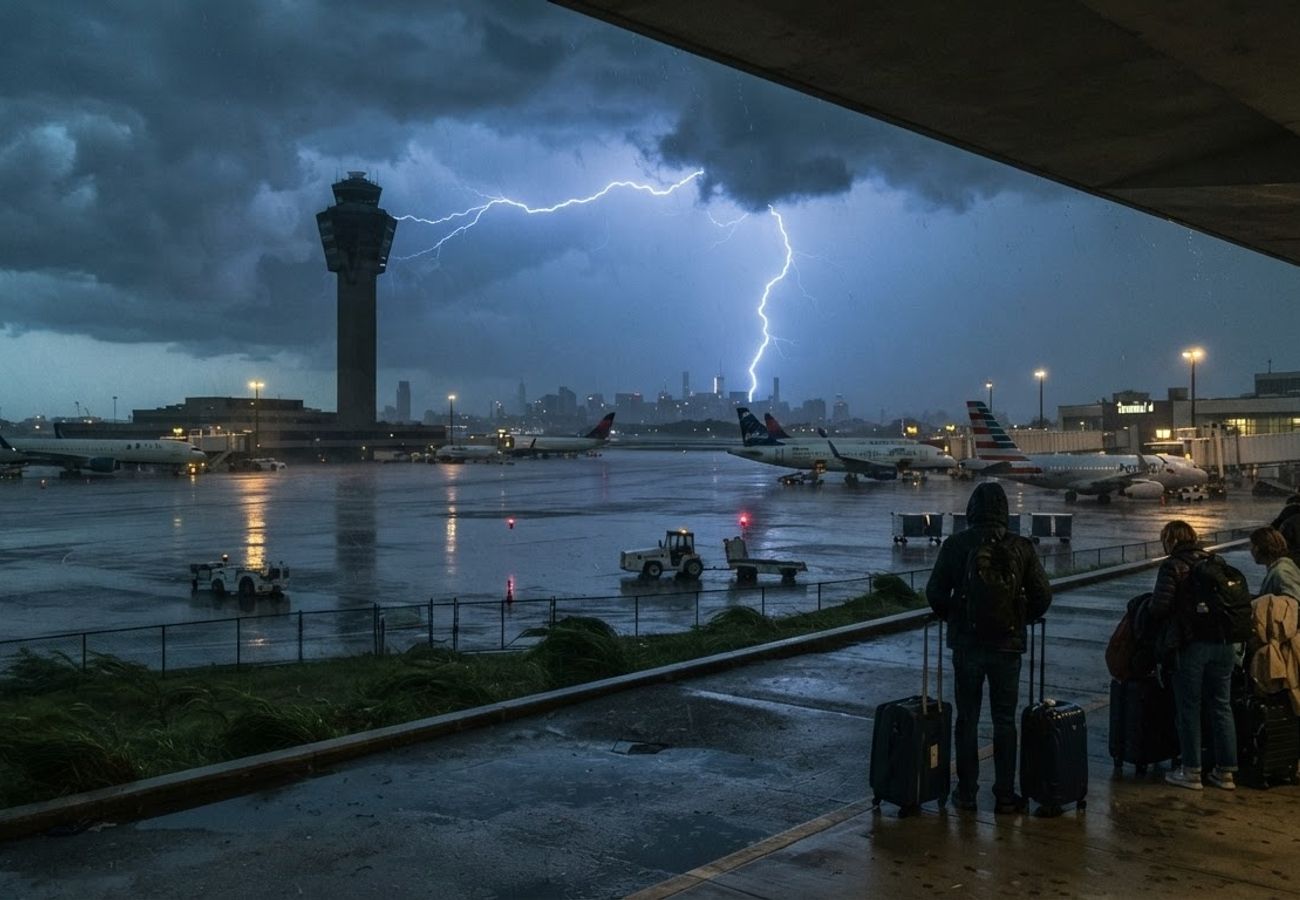
Image generated by AI
Are you currently stranded or planning a trip through the New York City metro area during this severe weather system? If you are heading to JFK, LaGuardia, or Newark, you need to account for significant systemic failures in flight schedules due to ongoing thunderstorms.
The NYC Metro Aviation Shutdown
The Federal Aviation Administration (FAA) has implemented emergency traffic management measures across the three primary airports serving New York City. As of September 13, 2026, a full ground stop was declared for LaGuardia National Airport, effectively halting all departures and arrivals. Simultaneously, John F. Kennedy International (JFK) is operating under a restrictive delay program, with wait times reaching up to 75 minutes.
While Newark Liberty International Airport initially reported shorter delays averaging 15 minutes, the trajectory of the storm system suggests it will be the hardest hit as the day progresses. The heart of the weather system is moving toward New Jersey, where flash flood warnings are currently active.
The scale of this disruption is not limited to a few cancelled flights; it is a regional backlog. Because these hubs operate at near-maximum capacity, a morning ground stop creates a ripple effect that typically pushes delays well into the evening hours.
Route and Schedule Disruptions
The following data reflects the immediate impact of the storm system on airport operations. These numbers illustrate the scale of the backlog passengers are facing.
| Airport | Flight Delays | Cancellations | Current Status |
|---|---|---|---|
| John F. Kennedy (JFK) | 203 | 7 | Delay Program (Up to 75 min) |
| LaGuardia (LGA) | 158 | 4 | Full FAA Ground Stop |
| Newark Liberty (EWR) | 92 | 4 | Active (Increasing Risk) |
Traveler Logistics Guide
When the FAA declares a ground stop or a significant delay program in the NYC area, the standard "wait and see" approach often leads to hours of unnecessary airport congestion. Here is the professional logistics strategy for managing this situation.
1. Digital Monitoring and Check-in Do not rely on airport monitors, which can lag during systemic failures. Use FlightAware to track your inbound aircraft's actual position. If your plane has not yet departed its origin city, contact your airline via their app to request a rebooking before you leave for the airport.
2. Optimal Connection Strategies If you have a tight connection at JFK or EWR, assume you will miss it. In the event of a ground stop, the "Minimum Connection Time" (MCT) is effectively void. If you are currently in the city, avoid heading to the airport until your flight status changes from "Scheduled" or "Delayed" to "On Time" or "Boarding."
3. Ground Transport Alternatives With flash flood warnings in effect, ground transport is as compromised as the air corridors.
- Subways: Avoid deep stations if flash flood advisories are active for your specific borough.
- Ride-shares: Expect extreme surge pricing and increased wait times.
- Rail: Check the Amtrak status if you are traveling between NYC and other Northeast Corridor cities (Philadelphia, DC, Boston) as a fallback.
4. Customs and Baggage Notes For international arrivals at JFK during these delays, be aware that ground stops can lead to "tarmac delays" where aircraft are held on the runway. Ensure you have sufficient water and medication in your carry-on. If your flight is cancelled, confirm whether your checked luggage is being held at the carousel or returned to the aircraft.
5. Safety Precautions for Local Transit New York City Emergency Management (NYCEM) has warned that some areas could receive 2 to 2.5 inches of rain per hour. If you must travel to the airport:
- Avoid all flooded streets and subway underpasses.
- Keep all mobile devices and medical equipment fully charged.
- Do not attempt to walk or drive through standing water, as submerged hazards and electrical dangers are prevalent during these storms.
Regional Connectivity Impact
This weather event highlights the vulnerability of the Northeast aviation corridor. While New York City expects roughly three inches of rain, the surrounding regions of Nassau, Suffolk, and southern Connecticut are bracing for up to seven inches. This creates a "bottleneck" effect; even if JFK clears its backlog, incoming flights from the north and east may remain grounded due to conditions in Connecticut.
The shift in weather patterns—where the tail end of summer in the Northeast is becoming increasingly wet—suggests that travelers should build "buffer days" into their itineraries during September. For those currently in the city, the transition to Monday is expected to be milder, but the backlog of displaced passengers will likely cause congestion at check-in counters and security checkpoints throughout the start of the work week.
FAQ: NYC Airport Disruptions 2026
Do I need to go to the airport if there is a ground stop? No. A ground stop means planes cannot take off or land. Check your airline's app or FlightAware first. If the stop is regional, you will likely save hours of waiting in a crowded terminal by staying home.
How long do weather-related delays usually last? While the storm may pass in a few hours, the "recovery period" for JFK, LGA, and EWR can take 12 to 24 hours. This is due to the massive volume of flights that must be rescheduled in a specific sequence.
Can I check my bags through if my flight is delayed? Yes, but if your flight is cancelled due to the storm, you may be required to retrieve your bags. Always keep essential items, medications, and a change of clothes in your carry-on during the Northeast storm season.
What are the safest transport options during NYC flash floods? Avoid basements and low-lying subway stations. Use elevated transport where possible and follow all National Weather Service advisories. If you are in a compromised living situation, NYCEM has opened 51 safe locations across the five boroughs.
Stay mobile, stay dry, and always track your tail number.
Related Travel Guides
Disclaimer
This article is for informational and educational purposes only. It does not constitute legal, financial, or professional advice. While we strive to provide accurate and up-to-date information, travel policies, regulations, and conditions change rapidly. Always verify information with official sources before making travel decisions. Nomad Lawyer makes no representations about the accuracy, reliability, completeness, or suitability of the information provided. Readers should consult qualified professionals for advice specific to their circumstances. The views expressed in this article are those of the author and do not necessarily reflect the views of Nomad Lawyer.
Kunal K Choudhary
Co-Founder & Contributor
A passionate traveller and tech enthusiast. Kunal contributes to the vision and growth of Nomad Lawyer, bringing fresh perspectives and driving the community forward.
Learn more about our team →