JetBlue Manchester Airport Service Ends 2026


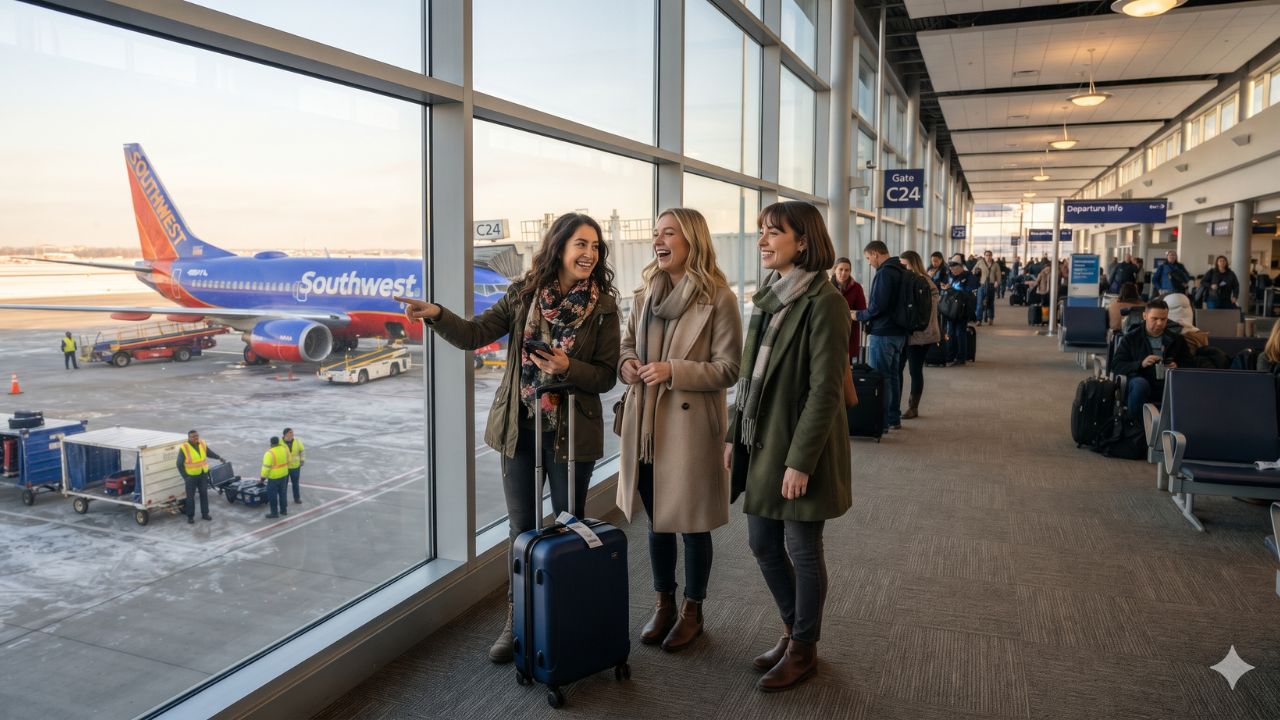
Image generated by AI
JetBlue has officially ended its commercial operations at Manchester-Boston Regional Airport in New Hampshire, terminating its nonstop flights to Orlando, Florida. The service withdrawal leaves travelers in northern New England with fewer regional flight options and forces passengers with existing reservations to seek refunds or alternative routing.
The Disruption Details
JetBlue operated its final departure from Manchester-Boston Regional Airport (MHT) to Orlando International Airport (MCO) on July 11, 2026. The route withdrawal marks the end of an 18-month expansion attempt that initially launched in January 2025.
The decision to exit the Manchester market is part of JetBlue's ongoing network review, aimed at trimming low-yield routes to consolidate fleet resources in higher-margin priority hubs. By ending this short-lived connection, the carrier reduces its exposure to secondary regional markets while focusing on core leisure routes elsewhere in its network.
Flight & Airport Impact Breakdown
The service termination changes regional airport options and schedules for New England travelers:
- Manchester-Boston Regional Airport (MHT): Complete loss of JetBlue passenger operations and check-in counters, decreasing direct competition on Florida routes.
- Orlando International Airport (MCO): Removal of the direct Manchester route corridor; future flights now require connecting itineraries.
- Alternative Local Carriers: Passengers seeking nonstop Florida travel from Manchester must rely on remaining carriers (such as Southwest Airlines or Spirit Airlines).
- Boston Logan International Airport (BOS): Expected passenger displacement as northern New England travelers redirect to Boston for direct JetBlue flights, adding travel time and parking costs.
Passenger Rights & Advisory (Information Gain)
Under the U.S. Department of Transportation (DOT) automatic refund rule, passengers holding tickets for canceled JetBlue flights on this route have clear protections:
- Automatic Cash Refunds: Because the route has been terminated, passengers with future bookings are entitled to a full refund to their original form of payment if they decline alternative travel arrangements. Airlines cannot force passengers to accept travel credits or vouchers in lieu of cash.
- Refund Timelines: The airline must issue the refund within seven business days if the ticket was purchased with a credit card, and within 20 calendar days if paid by cash, check, or other methods.
- Rebooking Options: Passengers choosing to stay with the carrier must accept re-routing on flights departing from alternative hubs, such as Boston Logan (BOS). In these cases, travelers are responsible for their own ground transportation costs between Manchester and Boston.
Industry Analyst View
Our analysis indicates that regional airports in New England face growing pressure as major carriers transition from aggressive post-pandemic expansion to strict profitability metrics. Flight tracking systems show that capacity adjustments are disproportionately affecting secondary hubs, forcing consolidation at primary airports like Boston Logan.
While MHT offers convenience and shorter security wait times, low-frequency leisure routes are highly vulnerable to network pruning in an environment of high operating costs and pilot availability constraints. Regional airports will need to aggressively negotiate with alternative carriers to replace lost capacity and preserve local travel options.
Related Travel Guides
This article is for informational purposes. Flight routes, passenger regulations, visa rules, and transit advisories are subject to change by airlines and aviation authorities. Readers are advised to verify schedules and travel documentation with relevant carriers and border agencies before departure.
Related Stories
Southwest and JetBlue Launch $59 Winter Airfare War: 2026–2027 US Travel Deals & Booking Guide

JetBlue Launches Fort Lauderdale Routes to Indianapolis and Columbus: Winter Flight Guide 2026