
Canal-Side Renewal: How JEN Hangzhou by Shangri-La Transforms a Historic Industrial Site
JEN Hangzhou by Shangri-La soft-opened on August 5, 2026, transforming a former industrial site in Gongshu District into a modern lifestyle hotel.
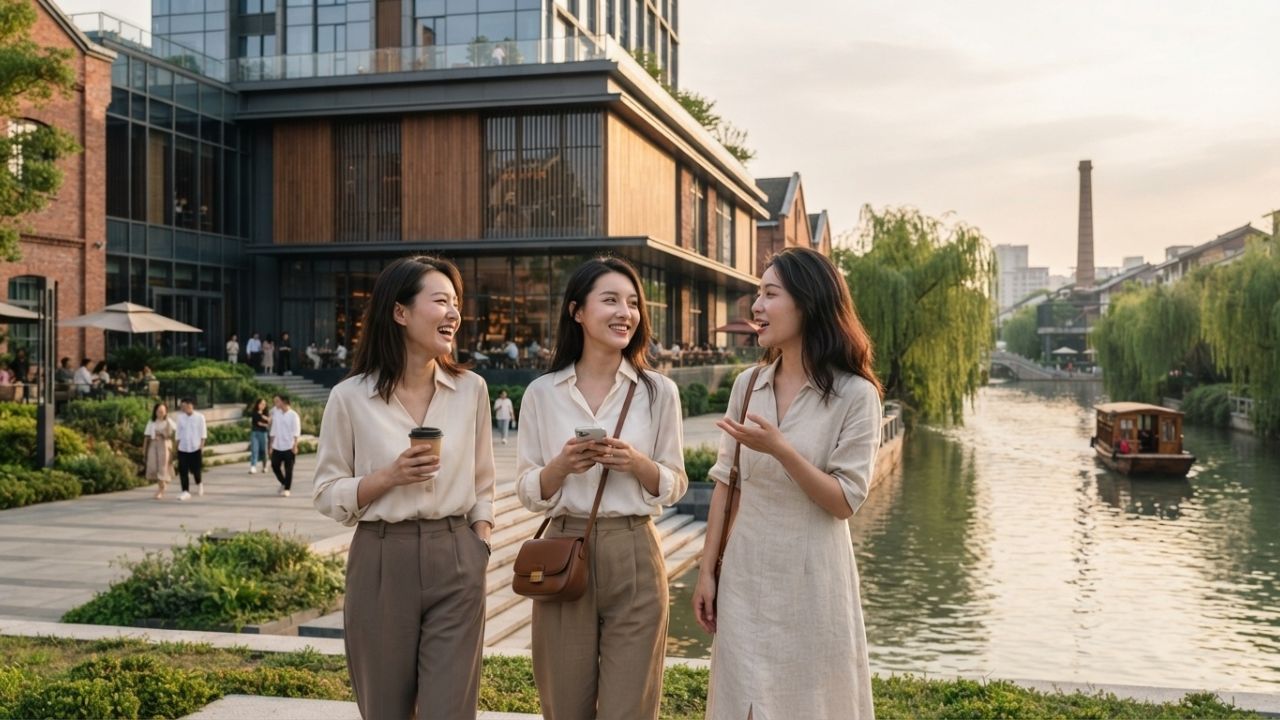
Image generated by AI
When JEN Hangzhou by Shangri-La soft-opened on August 5, 2026, it marked a significant milestone in China's lifestyle hospitality sector, converting a former industrial oxygen plant into a high-tech urban sanctuary. Housed in Gongshu District near the historic Beijing-Hangzhou Grand Canal, the 176-room property represents a growing trend of urban regeneration and neighborhood tourism in major Chinese cities.
The Local Trend Revealed: Industrial Regeneration and Canal-Side Tourism
China's luxury and lifestyle hotel market is experiencing a notable shift as developers prioritize urban regeneration projects that breathe new life into abandoned industrial brownfield sites. Rather than erecting generic skyscrapers, operators are preserving historic factory structures to create unique, community-centric guest environments. The transformation of the former Hangzhou Oxygen Plant site into the JEN Hangzhou is a key example of this trend, combining heritage preservation with modern luxury.
Gongshu District, which served as the industrial heart of Hangzhou for decades, is home to a major section of the historic Beijing-Hangzhou Grand Canal. As international travelers increasingly look for destinations that combine modern lifestyle amenities with local history, the demand for regenerated accommodation options has surged. Resorts that can deliver consistent service quality, community integration, and local cultural experiences are well-positioned to attract high-yield travelers.
Gongshu District, which served as a major manufacturing center for Hangzhou in the twentieth century, is home to a wealth of industrial heritage, including silk warehouses, ironworks, and cotton mills. Today, these historic sites are being systematically revitalized as museum spaces and creative offices, preserving the district's working-class history while encouraging modern design.
The launch of JEN Hangzhou by Shangri-La, located at No. 66 Zhongzhou Road in Gongshu District within the Hangzhou Kerry Plaza development, is a prime example of this trend. Housed on the former Hangzhou Oxygen Plant site, the property preserves elements of its industrial heritage while introducing the brand's relaxed "Live New Asia" philosophy. The location is highly significant, sitting near the Beijing-Hangzhou Grand Canal, which has been recognized as a UNESCO World Heritage Site since 2014. By transforming a previous manufacturing facility into a hub for social meetings, tech-integrated stays, and wellness, the hotel connects Hangzhou's industrial past with its future as a technology and tourism center.
The Multi-Brand Strategy: Shangri-La's Expansion Across China
The soft-opening of JEN Hangzhou represents the brand's tenth property worldwide and reinforces Shangri-La's multi-brand strategy in China. The group is expanding its lifestyle and luxury portfolio across key cities to cater to different passenger segments:
- JEN Shenzhen Qianhai: Opened in 2023 in a major finance and technology development zone, integrating work, social interaction, and wellness for young professionals.
- JEN Kunming: Opened in 2024 with 274 keys, functioning as a dual-brand development alongside Shangri-La Kunming to capture both lifestyle and traditional luxury travelers.
- JEN Beijing: Strategically situated in the capital city to serve corporate travelers and conference participants.
- JEN Shenyang: Extending lifestyle hospitality to Northeast China's historic industrial and manufacturing center.
- Hangzhou Properties: The group now operates three distinct concepts in the city—lifestyle travel at JEN Hangzhou, traditional luxury at Shangri-La Hangzhou, and ultra-luxury at The Silk Lakehouse Hangzhou (under the Shangri-La Signatures brand).
The group's expansion also includes the Shanghai Hongqiao Airport dual-brand project, combining Shangri-La Hongqiao Airport and Traders Hongqiao Airport. This project strengthens Shanghai's position as one of Asia's leading business and transport hubs. By operating different brands together, the group can create a wider hospitality ecosystem, allowing guests to choose an experience that matches their expectations while sharing local market opportunities.
Cultural Value and Environmental Responsibility in Urban Spaces
For the visitor, the real impact of industrial regeneration is the opportunity to live within a protected cultural area. Preserving historic factory brickwork and steel frames reduces construction waste and carbon emissions compared to building new structures. The Hangzhou Municipal Bureau of Culture, Radio, TV and Tourism encourages developers to integrate local heritage into modern tourist offerings.
Sustainable eco-tourism initiatives also extend to community education and environmental awareness programs. The hotel works in close partnership with regional environmental organizations to minimize water usage and support local recycling infrastructure. By coordinating with local schools and conservation groups, the resort aims to promote a deeper understanding of the country's historic canal ecosystems, protecting the waterways for future generations.
On the ground, the resort supports the surrounding community through the OpenHouse dining and social venue, which combines breakfast, drinks, and casual workspace for hotel guests and local residents. Wellness is integrated into the guest experience through the JEN ACTIVE fitness and swimming facilities, catering to younger professionals. By sourcing fresh ingredients from local suppliers and employing regional tour guides to lead canal walks, the hotel helps keep economic benefits within the host community, supporting neighborhood tourism.
Hangzhou Visitor Guide: Canal Navigation and Regional Flavours
For travelers planning a journey to Hangzhou or exploring the Grand Canal corridor, regional travel specialists suggest the following tips:
- Optimal Booking Windows: Autumn is the best time to visit Hangzhou. Plan your stay during September and October to enjoy comfortable temperatures, clear skies, and the sweet scent of blooming sweet osmanthus trees.
- Grand Canal Etiquette: When walking along the historic canals or visiting nearby temples like Xiangji Temple, dress modestly by covering shoulders and knees. Keep voices low to respect the quiet atmosphere of the historic waterways.
- Sample Regional Cuisine: Try local Hangzhou delicacies in the Gongshu District. Sample classic West Lake vinegar fish, try Dongpo pork cooked in clay pots, or enjoy shrimp stir-fried with regional Longjing tea leaves.
- Explore Historical Monuments: Walk along the historic Grand Canal pathways, visit the Grand Canal Museum, or take a scenic canal boat tour to learn about the ancient waterway's history.
- Support Local Artisans: Purchase traditional Hangzhou silk, hand-carved stone seals, and Longjing tea directly from independent merchants in the canal-side historic districts, ensuring your spending supports local families.
- Hangzhou Imperial Heritage: Hangzhou, which served as the capital of the Southern Song Dynasty in the twelfth and thirteenth centuries, is globally renowned for its scenic West Lake, historic temples, and green hills. Home to multiple UNESCO World Heritage sites, including the Grand Canal and the Archaeological Ruins of Liangzhu City, the city represents the cultural heart of Zhejiang Province. Visitors can explore the historic Hefang Street, famous for its traditional medicine shops and local snacks, or walk along the ancient canal paths to experience the neighborhood's unique heritage.
- Under-the-Radar Quiet Zones: At Hangzhou Xiaoshan International Airport, seek out the quieter seating zones located near the garden courtyards in Terminal 4.
- Off-Peak Transit Times: To avoid commuter congestion on the Hangzhou elevated roads, plan your transfers during mid-day hours.
Long-Term Outlook for China's Regenerated Tourism Districts
The launch of JEN Hangzhou demonstrates the resilience of China's domestic hospitality market. By connecting luxury hotel services with urban green spaces, historical canals, and local industrial heritage, the property establishes a sustainable template for future urban tourism.
Over the coming decade, continued investments in dual-brand developments, high-speed rail connectivity, and green building certifications will shape the East Asian travel market. Shangri-La's planned projects, including the 314-room Shangri-La Zhengzhou and the dual-brand Shangri-La Wuxi, show continued confidence in regional growth. By maintaining high conservation standards and promoting authentic neighborhood tourism, China's hospitality sector aims to build a balanced visitor economy that protects its cultural heritage and natural resources for the future.
Disclaimer
This article is for informational and educational purposes only. It does not constitute legal, financial, or professional advice. While we strive to provide accurate and up-to-date information, travel policies, regulations, and conditions change rapidly. Always verify information with official sources before making travel decisions. Nomad Lawyer makes no representations about the accuracy, reliability, completeness, or suitability of the information provided. Readers should consult qualified professionals for advice specific to their circumstances. The views expressed in this article are those of the author and do not necessarily reflect the views of Nomad Lawyer.