
Japan Emerges as Global Leader in Self-Drive Tourism with 119% Booking Surge
Japan becomes the top self-drive destination via Trip.com data, with rental bookings surging 119%. Explore regional routes, growth stats, and driver guides.

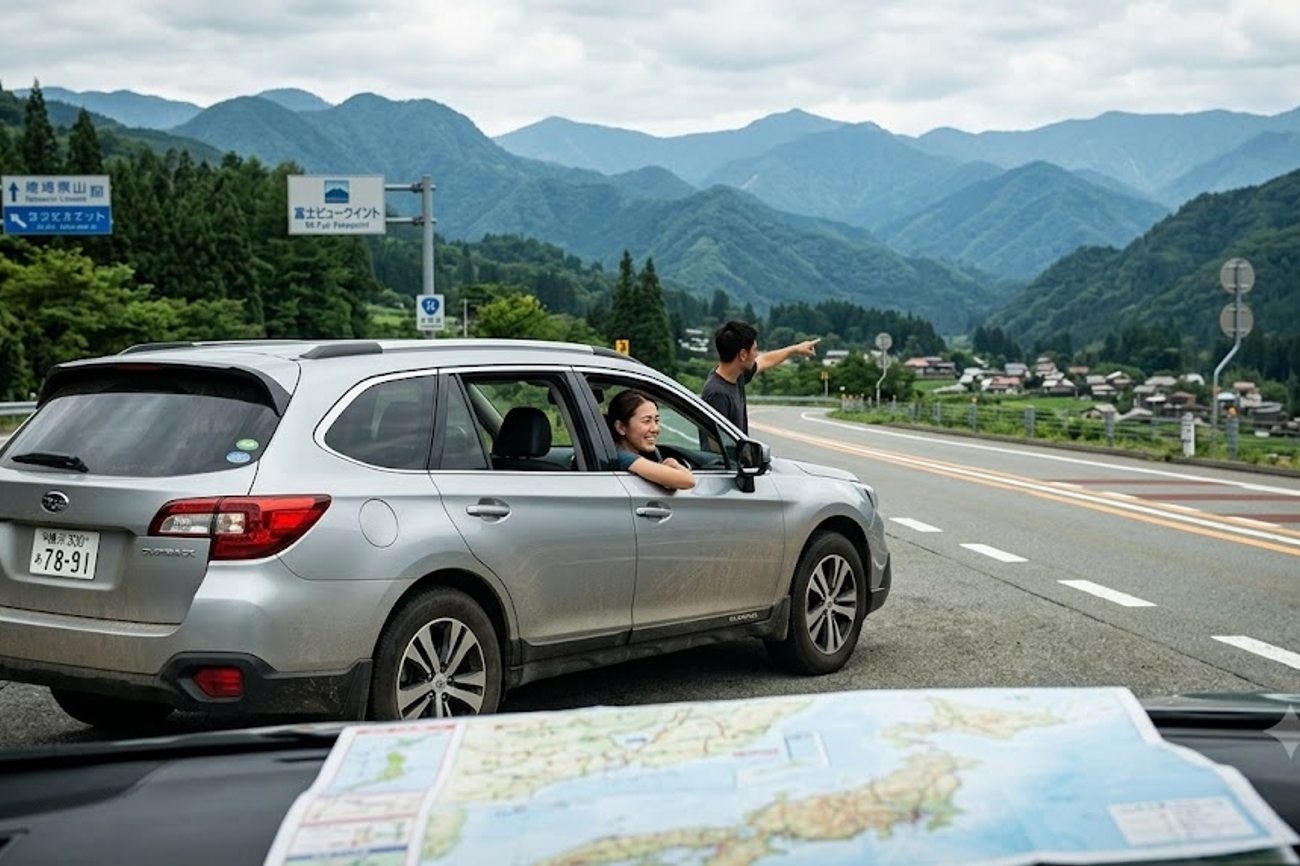
Image generated by AI
Data released on 27 August 2026 indicates a fundamental shift in how international visitors navigate Japan. While the country remains synonymous with its Shinkansen high-speed rail network, independent road travel is now a primary component of the international travel mix. According to Trip.com Group, Japan leads global self-drive destinations, outperforming other high-growth markets such as South Korea (148% growth), Australia (74%), the United States (54%), and Thailand (59%).
The surge is most pronounced in major gateway cities. Tokyo has seen the most aggressive expansion in rental demand, recording a 156% increase. This growth is mirrored in Sapporo, Fukuoka, and Okinawa, where travelers are utilizing urban hubs as starting points to access rural landscapes, coastal regions, and mountain ranges that remain underserved by scheduled public transport.
Regional Growth Metrics
The following table details the year-on-year rental car booking growth across key Japanese gateways and the global average.
| Destination | Year-on-Year Booking Growth |
|---|---|
| Tokyo | 156% |
| Sapporo | 129% |
| Japan (Overall) | 119% |
| Global Average | 81% |
| Fukuoka | 88% |
| Okinawa | 87% |
Source: Trip.com Group data (August 27, 2026).
Economic Context and Policy Alignment
This trend aligns with the "Tourism Nation Promotion Basic Plan" adopted by the Japanese government on 27 March 2026. The five-year strategy (fiscal 2026–2030) prioritizes the distribution of tourism spending away from metropolitan corridors and into regional economies.
The financial incentive for this shift is evident in spending patterns. Japan Tourism Agency figures for April to June 2026 show inbound visitor spending reached approximately ¥2.5 trillion—the highest second-quarter figure on record. By transitioning from rail to road, travelers increase expenditure at regional restaurants, roadside facilities, and local accommodations that are inaccessible via train.
Despite a 6.8% decline in international visitors in June 2026 (approximately 3.15 million) compared to June 2025, the increase in rental car demand suggests a higher-value, more independent traveler profile.
Traveler Logistics Guide: Navigating Japan by Road
From a ground-level perspective, transitioning from the rail-centric "Golden Route" to a self-drive itinerary requires specific preparation to avoid legal and logistical bottlenecks.
1. Mandatory Documentation You cannot rent a car in Japan with a standard domestic license. You must possess an International Driving Permit (IDP) issued under the 1949 Geneva Convention. Ensure this is obtained in your home country prior to departure; Japanese rental agencies strictly enforce this requirement.
2. Optimal Connection Strategies To maximize efficiency, avoid renting cars within Tokyo or Osaka city centers, where congestion and parking costs are prohibitive. Instead, take the Shinkansen to a regional hub (e.g., Hakodate or Kumamoto) and pick up your rental vehicle at the station or airport.
3. Navigating Regional Infrastructure
- ETC Cards: Ensure your rental includes an ETC (Electronic Toll Collection) card. Japanese highways are expensive, and ETC allows for seamless transit without stopping for cash payments.
- Parking: Never park on the street. Use designated "Coin Parking" lots, which are ubiquitous in regional towns.
- Digital Transit: Use English-language GPS systems (standard in most rentals) and integrate them with local maps for real-time traffic updates in mountainous regions like Hokkaido or Kyushu.
Infrastructure Impact Assessment
The pivot toward self-drive tourism reduces the pressure on the over-saturated rail lines of the Tokyo-Kyoto-Osaka corridor. By dispersing 3.15 million monthly visitors into the periphery, Japan is effectively leveraging its transport infrastructure to support sustainable tourism. This shift transforms the role of regional airports (Naha, New Chitose, Fukuoka) from mere transit points into primary logistics hubs for independent exploration.
Related Travel Guides
Disclaimer
This article is for informational and educational purposes only. It does not constitute legal, financial, or professional advice. While we strive to provide accurate and up-to-date information, travel policies, regulations, and conditions change rapidly. Always verify information with official sources before making travel decisions. Nomad Lawyer makes no representations about the accuracy, reliability, completeness, or suitability of the information provided. Readers should consult qualified professionals for advice specific to their circumstances. The views expressed in this article are those of the author and do not necessarily reflect the views of Nomad Lawyer.
Naina Thakur
Contributor & Travel Specialist
Travel enthusiast and legal writer covering visa regulations, responsible tourism, and cultural journeys across global destinations.
Learn more about our team →