
China Integrates Adventure Infrastructure into 3-Million-Year-Old Tianquan Cave
China's Tianquan Cave in Sichuan Province introduces a chute slide into its 3-million-year-old karst system. Explore the 10.5km network and visitor guidelines.

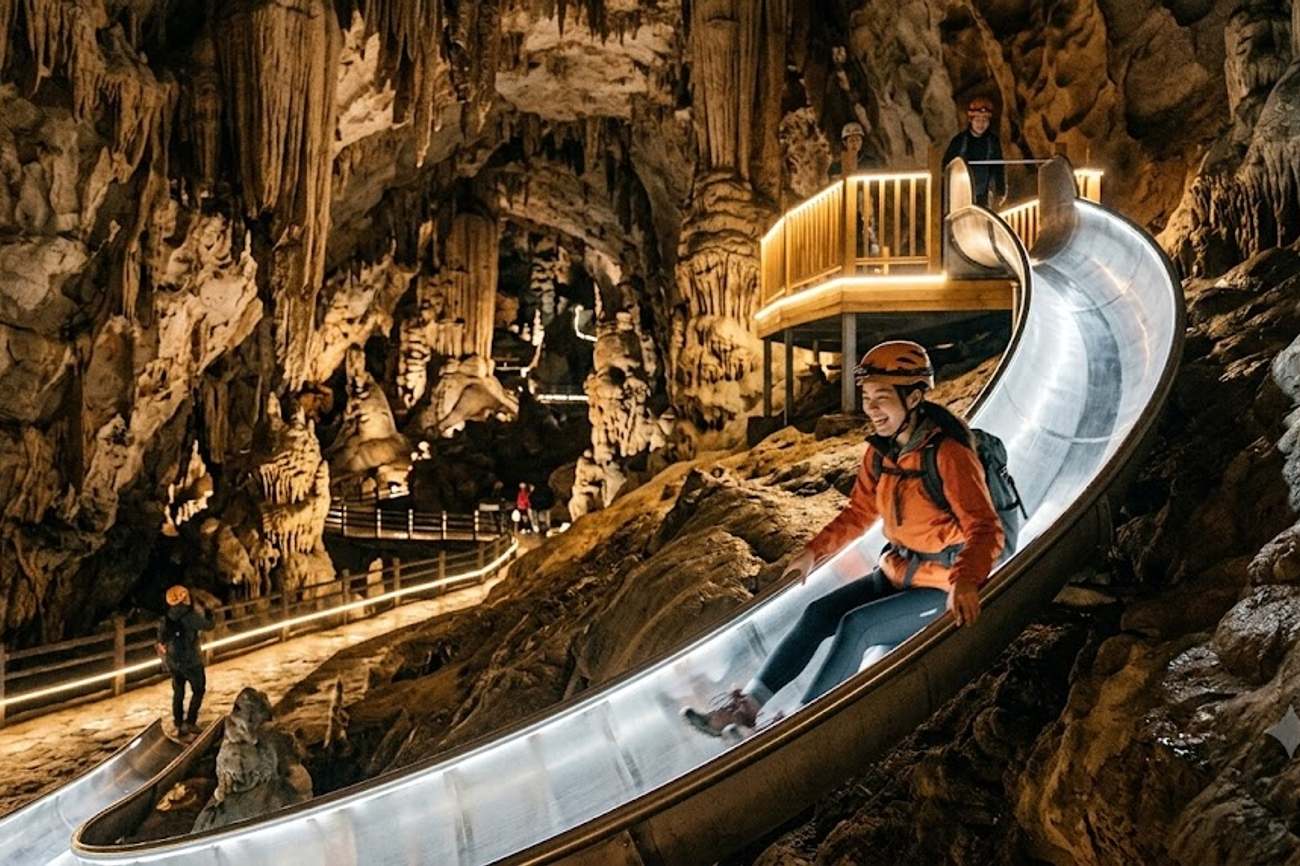
Image generated by AI
The Disruption Details
The Xinzheng Stone Sea Scenic Area in Yibin City, Sichuan Province, has shifted its tourism model from passive observation to active adventure. By installing a chute slide along a natural rock wall, authorities have created a high-velocity alternative to traditional stair descents, leading visitors directly into the main cavern of the Tianquan Cave.
This development is part of a broader tourism ecosystem within the Xinzheng UNESCO Global Geopark, which now combines karst geology with ziplining, underground river excursions, and cultural dining.
Flight & Airport Impact Breakdown
While this is a terrestrial tourism development, international and domestic travelers targeting this region should note the following logistical hubs:
- Primary Gateway: Yibin City, Sichuan Province.
- Regional Access: Travelers typically transit via Chengdu (TFU/CTU) before proceeding to Yibin.
- Site Specifications:
- Cave Age: Approximately 3 million years.
- Total Explored Length: 10.5 kilometers.
- Public Access Route: 3 kilometers (concentrated on the 3rd and 4th vertical levels).
- Internal Structure: 4 vertical levels with nearly 100 identified branches.
Passenger Rights & Advisory
For the traveler visiting this high-intensity geological site, our analysis of the environment and facility suggests the following preparations:
- Thermal Management: The cave maintains a constant temperature of approximately 18°C. For the affected passenger, this means a significant drop from surface temperatures; moisture-wicking clothing and light layers are required regardless of the season.
- Safety & Mobility: While the chute slide accelerates entry, the remaining 3-kilometer route involves walking through damp, subterranean environments. High-traction footwear is mandatory to mitigate slip risks on karst surfaces.
- Accessibility Constraints: Because the public route is limited to the 3rd and 4th levels and involves vertical transitions, the site is not currently optimized for passengers with limited mobility.
- Insurance Verification: Travelers engaging in the chute slide and ziplining should verify that their travel insurance covers "adventure activities" or "extreme sports," as standard policies may exclude injuries sustained during such activities.
Industry Analyst View
The integration of "adventure hooks" like chute slides into UNESCO-recognized sites reflects a broader trend in Asian tourism: the "gamification" of geology. By reducing the friction of long stair descents, operators increase throughput and appeal to younger demographics. However, the challenge remains balancing high-volume tourist traffic with the preservation of delicate stalagmites and flowstone formations that took millions of years to develop.
Related Travel Guides
Disclaimer
This article is for informational and educational purposes only. It does not constitute legal, financial, or professional advice. While we strive to provide accurate and up-to-date information, travel policies, regulations, and conditions change rapidly. Always verify information with official sources before making travel decisions. Nomad Lawyer makes no representations about the accuracy, reliability, completeness, or suitability of the information provided. Readers should consult qualified professionals for advice specific to their circumstances. The views expressed in this article are those of the author and do not necessarily reflect the views of Nomad Lawyer.
Kunal K Choudhary
Co-Founder & Contributor
A passionate traveller and tech enthusiast. Kunal contributes to the vision and growth of Nomad Lawyer, bringing fresh perspectives and driving the community forward.
Learn more about our team →