
Japan Leads Global Silver Tourism Boom as Senior Travelers Seek Accessible Adventures
Japan has emerged as the global leader in silver tourism, with its age-friendly infrastructure and rich cultural heritage attracting millions of retirees in 2026.

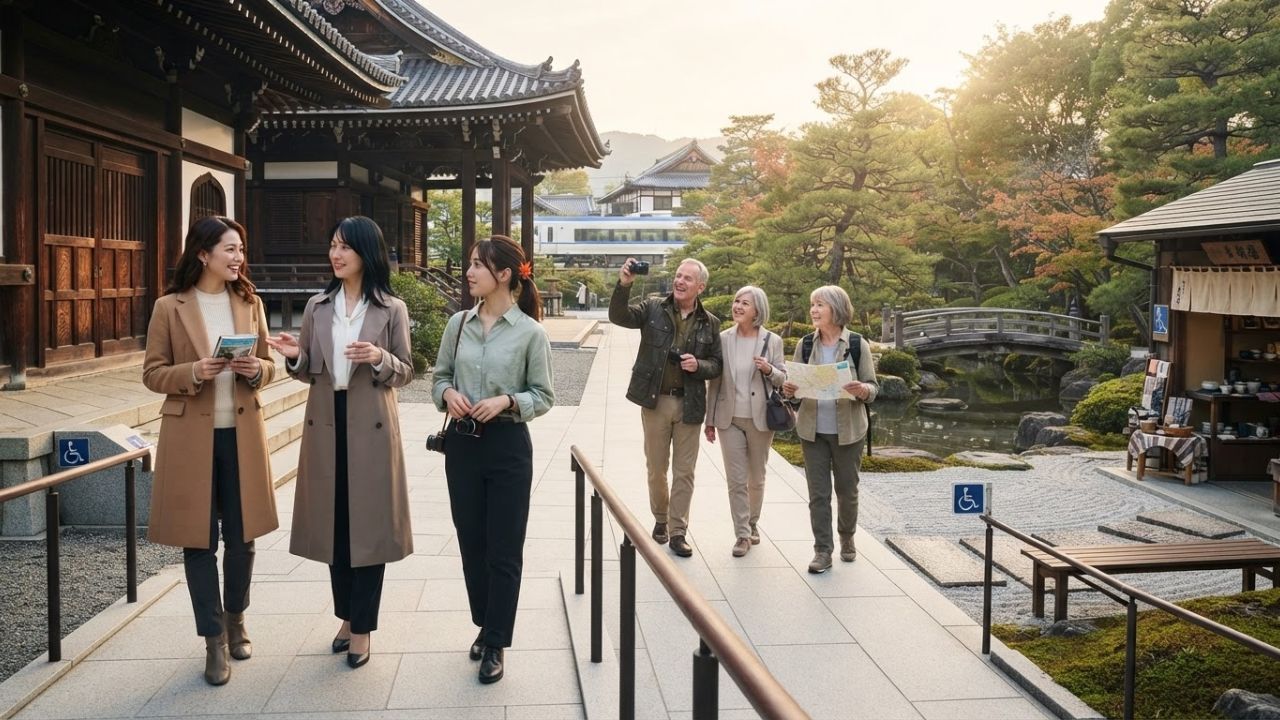
Image generated by AI
Japan is establishing itself as the global frontrunner of the Silver Tourism boom, adapting its national infrastructure to meet the needs of mature international travelers. Driven by a record-breaking 36.87 million foreign arrivals, the demand for accessible, high-comfort journeys is shifting retirement travel patterns toward the country's historic regions.
Redefining Inbound Travel: The Global Power of the Silver Economy
The global travel industry is experiencing a major transition as retired travelers redefine international exploration. While youth-oriented adventure tourism and fast-paced itineraries historically dominated travel marketing, a wealthy and growing demographic of senior citizens is reshaping the market. This demographic shift has created what travel analysts call the silver economy, where destinations adapt their services to capture the spending power of older travelers.
This demographic transformation is driving new business opportunities across multiple sectors, as tour operators design specialized packages that prioritize comfort, slow pace, and local guide services. By catering to these preferences, travel companies can secure stable bookings during off-peak months, helping to balance the seasonal fluctuations that often strain local tourism operators. Japan has emerged as one of the most successful destinations in this sector. The country's appeal among mature travelers is supported by official figures from the Statistics Bureau of Japan, which reported that foreign visitor arrivals in 2024 reached 36.87 million, exceeding the previous record set in 2019. Retirees represent a highly valuable segment of this tourist base because they often travel outside peak seasons, stay longer, and spend more on cultural experiences, local dining, and premium services compared with younger budget travelers.
The Structural Advantages of an Age-Friendly Tourism Model
Japan's success in attracting senior travelers is closely linked to its domestic demographic reality. As one of the world's fastest-aging societies, the country has spent decades modifying its public transport, residential spaces, and tourist infrastructure to meet the accessibility needs of its older citizens. These long-term public investments are now serving as a major competitive advantage in the international travel market.
The national transport network provides a clear example of this age-friendly design. Japan's railway stations and bullet trains (Shinkansen) are equipped with comprehensive barrier-free facilities, including tactile paving, wide elevator networks, clear signage, and dedicated boarding assistance. For older travelers, this level of infrastructure minimizes the physical strain of transit, allowing them to explore cities and regional areas independently and with greater confidence.
Navigating Japan's Cultural Centers: Tokyo, Kyoto, and Osaka
For mature travelers, the cities of Tokyo, Kyoto, and Osaka provide a balanced combination of modern comfort and traditional experiences. In Tokyo, visitors can explore quiet municipal parks and world-class museums while utilizing the city's clean, barrier-free subway system. Osaka offers accessible food markets and historical districts that are easy to navigate on foot.
In Kyoto, the cultural heart of Japan, historical preservation works alongside accessible design. While the city's ancient temples and wooden shrines are hundreds of years old, many sites have installed sloped wooden walkways and accessible toilets to accommodate visitors with mobility needs. The Japan Tourism Agency has promoted these universal design improvements through national tourism policies, encouraging regional authorities to ensure that heritage sites remain open and comfortable for all age groups.
Ryokan Inns and Wellness Tourism for Retirees
The hospitality industry in Japan has adapted to the preferences of senior travelers by expanding wellness offerings and accessible accommodations. Traditional Japanese inns, or ryokans, are highly popular among mature travelers seeking authentic cultural stays. Many ryokans now offer barrier-free rooms equipped with Western-style beds rather than traditional low futons, making it easier for seniors with joint pain to stay comfortably.
In addition, the growth of wellness tourism is closely linked with the country's natural hot spring (onsen) resorts. Retirees can book private hot spring baths (kashikiri) to enjoy the therapeutic benefits of the mineral waters with extra space and privacy. This slow-travel approach encourages visitors to stay longer in regional towns, distributing tourism spending to local agricultural producers, traditional craft makers, and community-led businesses outside the main metropolitan zones.
Aviation and Airport Adaptations for Mature Long-Haul Travel
The senior travel boom has also influenced the services provided by international airlines and airports. Major gateways such as Tokyo Haneda, Narita, and Kansai International have invested in passenger assistance networks to make long-haul journeys more comfortable for older passengers.
Airports provide dedicated transit lounges, wheelchair escorts, and low-friction transfer zones to reduce the physical stress of international arrivals. Airlines are responding to senior demand by expanding premium economy cabins and offering specialized travel packages that combine flights with scenic rail tickets and accessible hotel bookings. By addressing the comfort requirements of older passengers, the aviation sector is helping to make long-distance travel a viable option for retirees.
Visitor Guide: Station Assistance, Onsen Etiquette, and Healthy Dining
Traveling in Japan comfortably as a senior citizen or traveler with limited mobility involves utilizing available assistance services, understanding local customs, and enjoying regional foods. By planning ahead, travelers can ensure a respectful and organized stay.
When navigating train stations, utilize the station assistance service. Contact Japan Railways (JR) staff at the ticket gate, and an attendant will guide you to your platform, set up a portable metal ramp to bridge the gap between the platform and the train doors, and arrange for staff at your destination station to meet you with a ramp upon arrival. Avoid peak travel hours (7:30 to 9:30 AM and 5:00 to 7:00 PM) to bypass rush-hour crowds. If traveling by Shinkansen, reserve a designated wheelchair-accessible seat at a JR Ticket Office up to a month in advance.
Observe traditional etiquette when visiting hot spring resorts. Wash thoroughly at the washing stations before entering the shared hot spring pool. If you have tattoos, check the facility's policy or cover them with waterproof patches, or book a private kashikiri bath. Walk slowly on the stone paths around the baths to prevent slips. Pack comfortable slip-on shoes for your trip, as traditional sites, shrines, and ryokans require removing footwear at the entrance.
Sample healthy, traditional culinary specialties that support longevity. In Kyoto, try Yudofu, a classic dish of fresh tofu simmered in a light kelp broth, served warm with soy dipping sauce and grated ginger. Enjoy a Kaiseki Ryori dinner, a multi-course meal that presents seasonal vegetables, local fish, and tofu in small, artistic portions. Try Soba, traditional buckwheat noodles rich in nutrients, served cold with dipping sauce or in hot broth.
To avoid carrying heavy luggage through busy transit stations, utilize local luggage forwarding services (takkyubin). These services allow you to ship your bags directly from the airport to your hotel or between accommodations, enabling you to travel hands-free.
Future Outlook: Rebuilding Sustainable, Accessible Communities
The future development of global tourism depends on how well destinations adapt to an aging population. Japan's experience shows that investments designed to support older citizens can become major tourism assets, showing that accessible infrastructure directly improves destination competitiveness.
Through sustainable development policies, the government aims to expand barrier-free networks to more rural communities, ensuring that the economic benefits of senior travel are distributed equitably across the country. By combining universal design with heritage preservation and community-led tourism programs, Japan is establishing a resilient model for the future of international travel, proving that a welcoming destination must be accessible to travelers of all ages.
Related Travel Guides
Disclaimer
This article is for informational and educational purposes only. It does not constitute legal, financial, or professional advice. While we strive to provide accurate and up-to-date information, travel policies, regulations, and conditions change rapidly. Always verify information with official sources before making travel decisions. Nomad Lawyer makes no representations about the accuracy, reliability, completeness, or suitability of the information provided. Readers should consult qualified professionals for advice specific to their circumstances. The views expressed in this article are those of the author and do not necessarily reflect the views of Nomad Lawyer.
Naina Thakur
Contributor & Travel Specialist
Travel enthusiast and legal writer covering visa regulations, responsible tourism, and cultural journeys across global destinations.
Learn more about our team →