
Bypassing Travel Chaos: Japan Triggers Global Visa Fee Earthquake, Forcing Travelers to Exploit Visa-Free Corridors Amid Administrative Gridlock: Airline News
As Japan and major Asian economies trigger a massive 'visa cost earthquake,' international travelers face severe administrative travel chaos and rising entry fees.

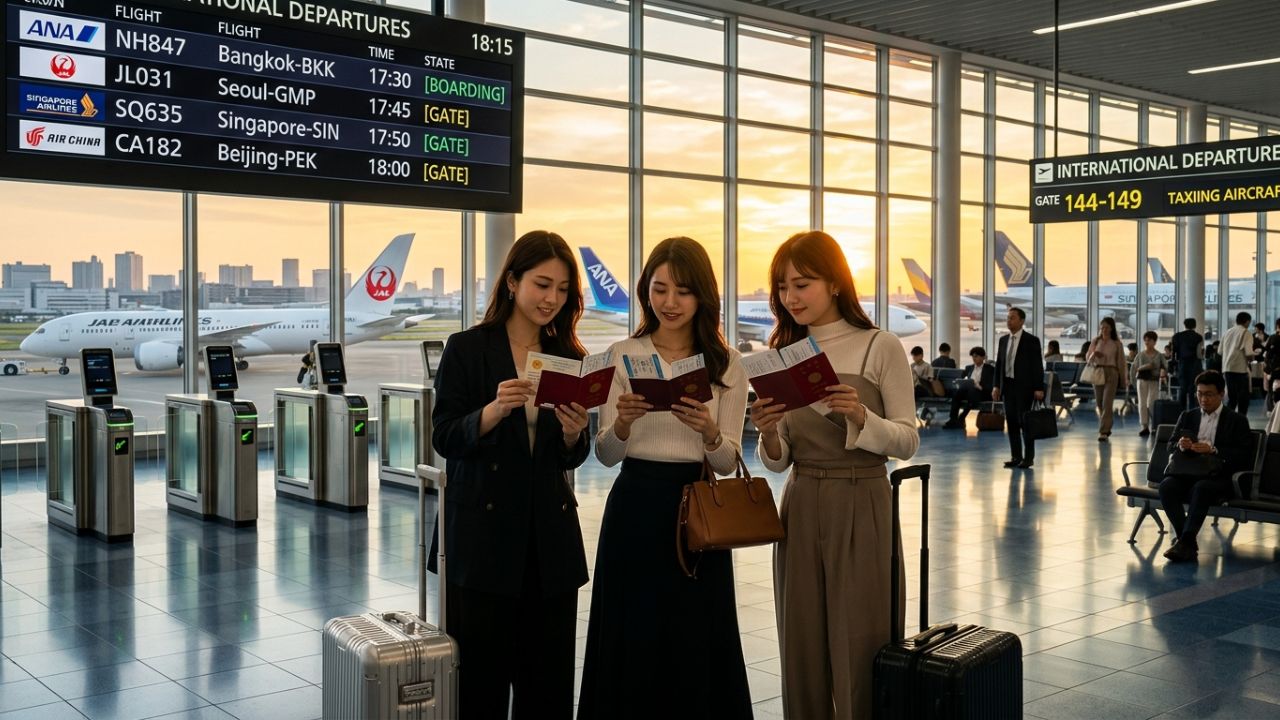
Image generated by AI
In a massive structural shock that is violently compounding the physical travel chaos already paralyzing global aviation, Japan has triggered a synchronized wave of entry fee hikes across major Asian economies. Reported on June 20, 2026, as exhausted passengers frantically monitor the latest airline news for an escape from rolling flight cancellations, this new administrative gridlock presents a severe threat to international mobility. Japan, alongside China, South Korea, India, the Philippines, Thailand, and Vietnam, is executing a sweeping "visa cost earthquake," heavily tightening entry frameworks and increasing processing fees. By implementing these strict, high-cost border management policies, governments are creating massive financial and administrative airport disruptions at immigration checkpoints. This strategic realignment is actively forcing long-haul travelers to abandon complex multi-country itineraries in favor of visa-free regional corridors, cementing this massive global travel cost surge as today's most crucial headline in breaking aviation updates.
By introducing direct passenger coordination and dynamic scheduling backups, the regional aviation hubs target growing passenger demand across vital commerce sectors. The choice to coordinate flight departures in phases helps to manage gate capacity, supporting the country's broader regional transportation network.
Context: Eradicating the Administrative Nightmare
For the modern international traveler, navigating complex, high-cost visa structures is the absolute ultimate administrative equivalent to structural transit failure.
Historically, passengers navigating the Asia-Pacific region relied on relatively cheap, frictionless border entry policies to execute complex, multi-country itineraries. However, as global legacy airports battle severe travel chaos—driven by labor shortages, air traffic control failures, and extreme weather—governments are simultaneously turning border control into a high-cost revenue stream. Japan’s decision to execute its first major visa fee revision in 48 years has triggered a domino effect. This "visa earthquake" creates severe administrative bottlenecks. When high processing fees are combined with complex new biometric and digital screening requirements, travelers face a massive double-threat: the physical unreliability of commercial aviation combined with the financial extortion of modern immigration policies. This shift is drastically altering demand, forcing strategic travelers to bypass these high-cost hubs entirely and route their flights exclusively through nations offering frictionless, visa-free entry.
To view live immigration requirements, verify the active deployment of these new digital entry frameworks, or to track potential visa exemptions prior to heading to the airport, travelers must consult official consular directories. For direct updates regarding how this massive global cost surge might impact your immediate international itinerary, travelers should aggressively utilize the official digital portals of their respective destination embassies. To explore live flight tracking and monitor the exact severity of the cascading bottlenecks paralyzing physical border checkpoints, passengers can consult the official FlightAware tracking service.
Section-Wise Breakdown: The Global Policy Realignment
Japan: The Epicenter of the Earthquake
Japan has taken the decisive, controversial step of significantly increasing visa fees for foreign nationals, executing its first major pricing revision in nearly five decades (48 years). By drastically pushing up the costs for both single-entry and multiple-entry visas, Japan is attempting to align its administrative processing models with current inflation. However, because Japan is one of the world's most heavily visited destinations, this aggressive policy shift signals to the global market that cheap, frictionless entry is officially dead. This move creates a massive barrier for budget travelers already struggling to survive the exorbitant costs of commercial airline tickets.
Asia-Pacific Leaders: A Synchronized Tightening
The shockwave triggered by Japan has immediately replicated across the continent. China is aggressively strengthening its digital visa systems and heavily tightening selected entry categories. Simultaneously, South Korea is modernizing its visa processes, deploying revised, high-cost service fee structures. India is adjusting its processing costs while expanding complex visa categories, and the Philippines is heavily aligning its visa fees with regional tourism growth models. This synchronized tightening means that attempting a traditional "backpacking" or multi-stop corporate tour across Asia now requires a massive upfront administrative budget.
The Broader Global Contagion
This visa cost earthquake is not contained to East Asia. Thailand is actively adjusting its visa exemptions and tourism levies, while Vietnam is overhauling its e-visa systems and increasing entry processing charges. Further afield, Malaysia, Indonesia, Singapore, and Sri Lanka are all restructuring electronic travel authorizations and visa-on-arrival pricing. Even traditional Western markets, including the United States, the United Kingdom, Australia, Canada, and the European Schengen Area, are executing periodic, structured increases to their immigration and visitor visa costs. The entire global border control apparatus is becoming drastically more expensive.
Technical Roster: Official Global Visa Policy Shift Matrix
To ensure absolute factual accuracy regarding the exact national policies, specific fee adjustments, and strategic administrative deployments defining this massive travel cost surge, the following matrix details the strictly verified immigration data:
Official Global Visa Policy Shift Matrix (Asia-Pacific Leaders)
| Sovereign Nation | Verified Immigration / Visa Policy Action |
|---|---|
| Japan | Significant long-term visa fee increase implemented (first major revision in 48 years); affects single/multiple entry. |
| China | Strengthening digital visa systems and aggressively tightening selected entry categories. |
| South Korea | Modernizing visa processes with newly revised, higher service fee structures. |
| India | Expanding visa categories while simultaneously adjusting administrative processing costs. |
| Philippines | Aligning national visa fees with broader regional tourism growth strategies. |
| Thailand | Adjusting specific visa exemptions and implementing updated tourism levies. |
| Vietnam | Updating e-visa digital systems and increasing entry processing charges. |
Data accurately reflects the verified border policy adjustments and strategic administrative deployments tracking the global visa cost earthquake as of June 2026.
Industry Analysis: The Value of the Visa-Free Bypass
Aviation and geopolitical analysts monitoring this intensely competitive global tourism market note that this synchronized visa fee surge is a massive structural threat to long-haul airline demand.
Analysts emphasize that access cost is now matching airfare as the primary determinant of destination choice. As governments aggressively use visa fees for revenue optimization—funding biometric verification and AI-driven screening—they are inadvertently suffocating their own tourism pipelines. Tour operators are being forced into a massive reconfiguration of their Asia multi-country itineraries because the combined visa costs have shattered their pricing structures. Consequently, the aviation industry is pivoting aggressively. Airlines are actively shifting route capacity away from high-cost, high-friction nations and launching direct, point-to-point flights into visa-free destinations. By exploiting these frictionless corridors, airlines and travelers can completely bypass the administrative travel chaos of the modern border checkpoint.
Actionable Advice for International Travelers
Because this global visa cost earthquake fundamentally alters the economics of international mobility, passengers must execute this strategic planning checklist immediately:
- Exploit Visa-Free Corridors: If you are planning an international itinerary, immediately pivot your routing to nations that offer your passport visa-free or frictionless entry. Do not willingly subject yourself to the massive administrative fees and digital gridlock of nations currently exploiting tourism for border revenue.
- Abandon Multi-Stop Itineraries: The era of cheaply crossing five Asian borders in a single trip is over. Consolidate your travel. Focus on a single destination or utilize a dominant regional hub to completely eliminate the massive financial risk of securing multiple, highly expensive entry permits.
- Pre-Clear Digital Authorizations: If you must travel to a nation affected by this visa earthquake, secure your e-visas and electronic travel authorizations months in advance. The implementation of new AI-driven screening systems frequently crashes government portals, creating digital bottlenecks that will trigger massive airport disruptions and denied boardings if your paperwork is not perfectly processed.
FAQ: The 2026 Global Visa Fee Earthquake
Which country triggered this massive visa cost surge?
Japan executed a decisive, highly influential policy shift by significantly increasing its visa fees—its first major structural pricing revision in 48 years—triggering a regional domino effect.
Which other major Asian nations are tightening their visa systems?
Alongside Japan, countries including China, South Korea, India, the Philippines, Thailand, and Vietnam are simultaneously adjusting processing fees and tightening digital entry categories.
How does this affect airlines and travel itineraries?
The massive increase in access costs is forcing airlines to reprioritize routes to visa-free destinations, while travelers are abandoning complex multi-country itineraries to bypass severe administrative and financial gridlock.
The Reality of Administrative Defense
The synchronized visa fee explosion across the Asia-Pacific proves definitively that border administration is the ultimate hidden weapon driving systemic global travel chaos. By drastically increasing the financial and bureaucratic friction required to cross sovereign borders, nations like Japan and China have successfully guaranteed that international travel will become an elite, highly restricted luxury. Yet, as tourists frantically scramble to secure digital authorizations before the next fee hike, they must accept a critical new reality: surviving the massive disruptions of modern global commerce demands absolute tactical routing. Navigating this hostile international landscape requires a complete refusal to pay extortionate entry fees, and the tactical discipline to fly exclusively through frictionless, visa-free corridors that bypass the administrative nightmare entirely.
Key Takeaways
- Massive Administrative Bypass: Strategic travelers must pivot to visa-free corridors to completely avoid the massive financial extortion and digital gridlock of the global visa cost earthquake.
- Japan's 48-Year Shift: Japan triggered the regional shockwave by executing its first major visa fee increase in nearly five decades.
- Asia-Pacific Contagion: China, South Korea, India, Thailand, Vietnam, and the Philippines are all concurrently raising fees or tightening entry frameworks.
- Digital Border Chaos: The rollout of new biometric and AI screening systems is causing massive administrative bottlenecks, compounding physical flight cancellations.
- Route Reprioritization: Airlines and tour operators are aggressively reconfiguring their networks to favor frictionless destinations, bypassing high-cost entry regimes.
Related Travel Guides
Massive Travel Chaos Paralyzes Chicago O'Hare with 1,425 Disruptions
Disclaimer
This article is for informational and educational purposes only. It does not constitute legal, financial, or professional advice. While we strive to provide accurate and up-to-date information, travel policies, regulations, and conditions change rapidly. Always verify information with official sources before making travel decisions. Nomad Lawyer makes no representations about the accuracy, reliability, completeness, or suitability of the information provided. Readers should consult qualified professionals for advice specific to their circumstances. The views expressed in this article are those of the author and do not necessarily reflect the views of Nomad Lawyer.
Kunal K Choudhary
Co-Founder & Contributor
A passionate traveller and tech enthusiast. Kunal contributes to the vision and growth of Nomad Lawyer, bringing fresh perspectives and driving the community forward.
Learn more about our team →