
Japan Airlines Partners With SES for Advanced Satellite Connectivity: Multi-Orbit Wi-Fi Coming to 41 Aircraft by 2028
Japan Airlines deploys SES multi-orbit satellite connectivity across A350 and B787 fleets starting 2028, enhancing long-haul travel between Japan and US with low-latency internet.

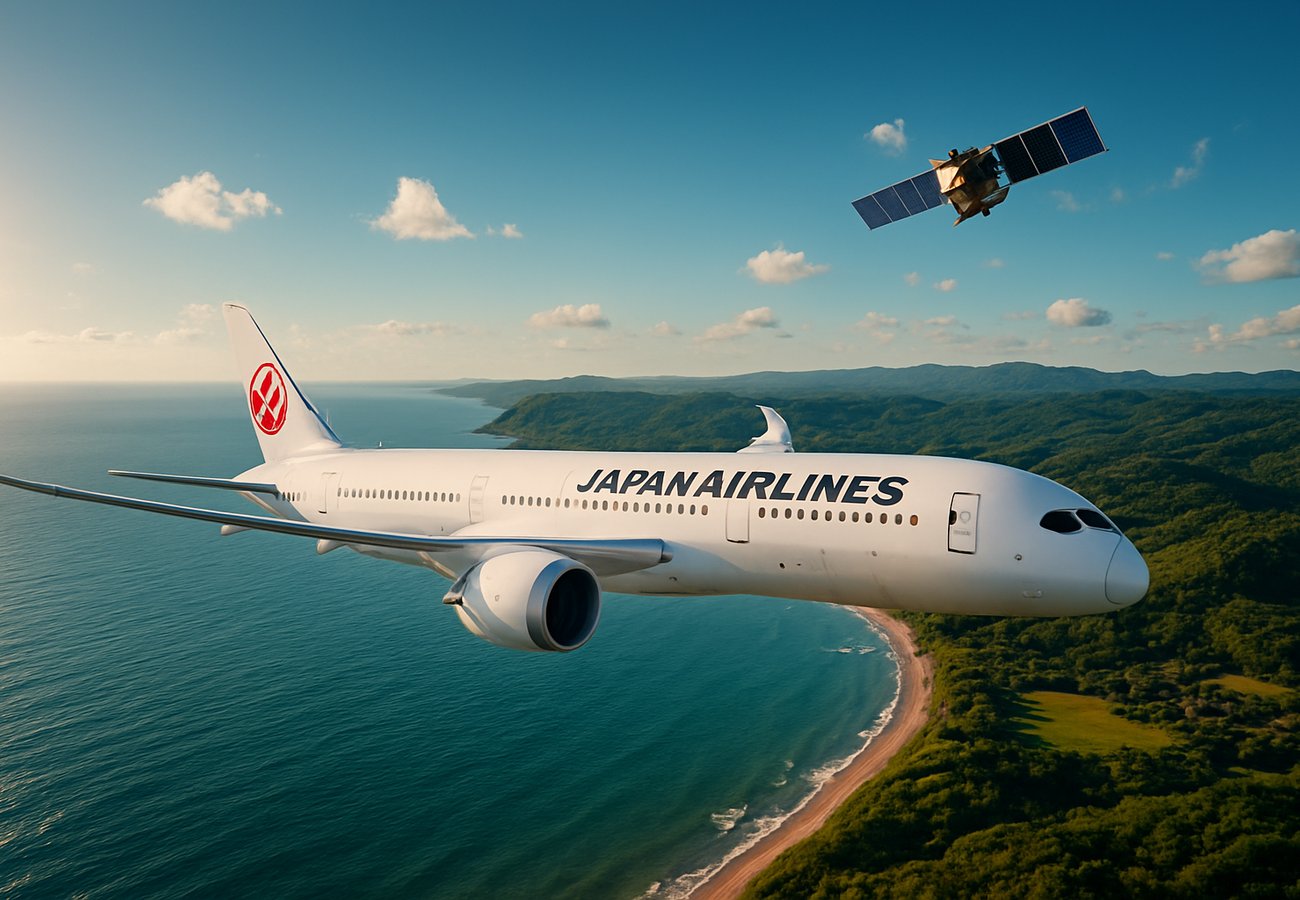
Image generated by AI
Japan Airlines Embraces Next-Generation Satellite Connectivity
Japan Airlines (JAL) has announced a strategic partnership with Luxembourg-based satellite operator SES to deploy advanced multi-orbit inflight connectivity across its long-haul fleet. This initiative represents a significant leap forward in connected air travel, positioning JAL as a leader in digital passenger experiences on international routes linking Japan, the United States, and other global destinations.
The rollout will equip a total of 41 aircraft with electronically steered antenna (ESA) technology, combining geostationary satellites and low Earth orbit (LEO) constellations. Installations are planned to begin in 2028, marking a transformative phase in JAL's digital transformation strategy.
The Fleet Upgrade: What's Changing
Japan Airlines will deploy advanced connectivity across the following aircraft:
- 20 Airbus A350-900 aircraft (factory-installed)
- 10 Boeing 787-9 aircraft (factory-installed)
- 11 Boeing 787-9 aircraft (retrofit upgrades)
Deliveries for newly equipped aircraft are expected to commence in 2028. This multi-orbit architecture represents the emerging gold standard in aviation connectivity, enabling airlines to deliver streaming-quality internet, real-time communication, and cloud-based services even on ultra-long-haul routes.
Understanding Multi-Orbit Satellite Technology
Unlike conventional systems that rely on a single satellite orbit, multi-orbit connectivity integrates multiple layers of satellite infrastructure. This hybrid approach delivers several critical advantages for passengers:
- Lower latency: Essential for video calls and live streaming during flight
- Higher bandwidth: Supporting multiple devices per passenger simultaneously
- Greater redundancy: Reducing service interruptions and ensuring consistent connectivity
- Dynamic network switching: Seamlessly transitioning between satellite networks
According to industry estimates, global demand for inflight connectivity is expected to grow at over 10% annually, driven by rising passenger expectations and increasing aircraft connectivity penetration. For travelers flying between Japan and the United States or other intercontinental routes, this translates into a more productive and enjoyable journey, whether for business or leisure purposes.
A Decade-Long Partnership Driving Innovation
The collaboration between Japan Airlines and SES extends back to 2013, reflecting a long-term commitment to advancing onboard connectivity solutions. Over the years, JAL has consistently expanded its digital offerings, including the introduction of free inflight internet on domestic routes in 2017—a move that positioned it as a leader in passenger-centric innovation.
The current expansion into long-haul aircraft builds on earlier agreements involving narrow-body fleets such as the Boeing 737-8, where similar ESA systems are being deployed. This continuity highlights a broader trend in aviation: airlines are increasingly forming long-term technology alliances to remain competitive in a rapidly evolving digital ecosystem.
How Connectivity Is Reshaping Travel Behavior
The integration of high-speed inflight Wi-Fi extends far beyond technological advancement—it is fundamentally reshaping how people travel. Modern tourists increasingly rely on:
- Real-time itinerary updates and flight tracking
- Social media sharing during flights
- Streaming entertainment platforms
- Cloud-based work tools and productivity applications
For inbound tourism to Japan, which has been steadily recovering post-pandemic, enhanced onboard connectivity plays a crucial role in shaping first impressions. According to the Japan National Tourism Organization (JNTO), international visitor numbers have been rebounding strongly, making digital comfort a key competitive factor for airlines.
JAL's move strengthens its appeal among premium travelers, corporate flyers, and tech-savvy tourists, particularly on routes connecting Asia with North America and Europe.
Global Airlines Race Toward Better Connectivity
Airlines worldwide are investing heavily in next-generation connectivity solutions. Major carriers across the United States, Europe, and Asia-Pacific are adopting similar multi-orbit systems to enhance passenger satisfaction.
Key industry trends include:
- Transition from legacy satellite systems to LEO-enabled networks
- Integration of 5G-compatible aviation technologies
- Expansion of free Wi-Fi offerings on select routes
- Deployment of electronically steered antennas for improved efficiency
In this competitive landscape, JAL's investment ensures it remains competitive against global peers while reinforcing its reputation for service excellence. According to aviation analytics firms, more than 80% of long-haul aircraft are expected to be equipped with advanced connectivity solutions by the end of the decade.
Aircraft Technology Meets Passenger Expectations
The deployment of electronically steered antennas marks a significant shift toward more aerodynamic and efficient hardware solutions. These antennas are:
- Low-profile: Reducing drag and fuel consumption
- Dynamically capable: Switching between satellite networks automatically
- Scalable: Designed to expand as satellite constellations grow
This technological evolution not only enhances passenger experience but also contributes to operational efficiency, aligning with broader aviation sustainability goals. The aerodynamic improvements help reduce fuel consumption, supporting environmental objectives across the aviation industry.
What This Means for Travelers
Passengers flying on JAL's upgraded fleet can expect significant improvements to their long-haul experience:
Enhanced Productivity: Business travelers will enjoy reliable connectivity for video conferencing, email, and cloud-based work applications throughout their journey.
Entertainment Options: Leisure passengers can stream movies, music, and social media content without the buffering and delays associated with traditional satellite systems.
Device Connectivity: The increased bandwidth supports multiple devices per passenger, allowing families and groups to stay connected simultaneously.
Seamless Communication: Real-time messaging and video calls become practical options even at cruising altitude, maintaining connections with colleagues, family, and friends.
Smart Travel Tips for the Digital Age
For passengers flying long-haul with enhanced connectivity, the experience can be significantly improved by following practical strategies:
- Pre-download essential apps: Ensure streaming and productivity apps are updated before boarding
- Use airline portals wisely: Many airlines offer free messaging or limited browsing tiers alongside premium options
- Carry power banks: Continuous connectivity can drain device batteries quickly on ultra-long-haul flights
- Leverage cloud storage: Access important documents seamlessly during flights without relying solely on downloads
- Plan bandwidth usage: Prioritize essential tasks during peak usage hours when bandwidth may be shared among many passengers
Such practices help travelers maximize the benefits of next-generation inflight Wi-Fi, especially on routes exceeding 10 hours.
The Broader Context: Aviation's Digital Transformation
The global aviation industry is undergoing a comprehensive digital overhaul, with inflight connectivity at its core. For countries like Japan, which rely heavily on international tourism and business travel, such advancements are critical in maintaining competitiveness on global routes.
JAL's latest initiative signals a clear commitment to aligning with industry trends, ensuring that its passengers remain connected, productive, and entertained across continents. This investment reflects the airline's recognition that digital connectivity has become an essential component of the modern travel experience, particularly for long-haul journeys.
The deployment of advanced satellite technology by Japan Airlines represents more than a service upgrade—it demonstrates how aviation is evolving to meet the expectations of contemporary travelers who demand seamless connectivity regardless of altitude or location.
Related Travel Guides
Disclaimer
This article is for informational and educational purposes only. It does not constitute legal, financial, or professional advice. While we strive to provide accurate and up-to-date information, travel policies, regulations, and conditions change rapidly. Always verify information with official sources before making travel decisions. Nomad Lawyer makes no representations about the accuracy, reliability, completeness, or suitability of the information provided. Readers should consult qualified professionals for advice specific to their circumstances. The views expressed in this article are those of the author and do not necessarily reflect the views of Nomad Lawyer.
Kunal K Choudhary
Co-Founder & Contributor
A passionate traveller and tech enthusiast. Kunal contributes to the vision and growth of Nomad Lawyer, bringing fresh perspectives and driving the community forward.
Learn more about our team →