
Japan's 2026 Typhoon Season: 28 Tropical Cyclones Forecast to Devastate Kyushu, Tokyo, and Okinawa
Meteorologists warn Japan faces its most active typhoon season in years with up to 28 tropical cyclones expected. Travelers to Kyushu, Tokyo, and Okinawa must prepare for flight cancellations, rail disruptions, and extreme weather through October.

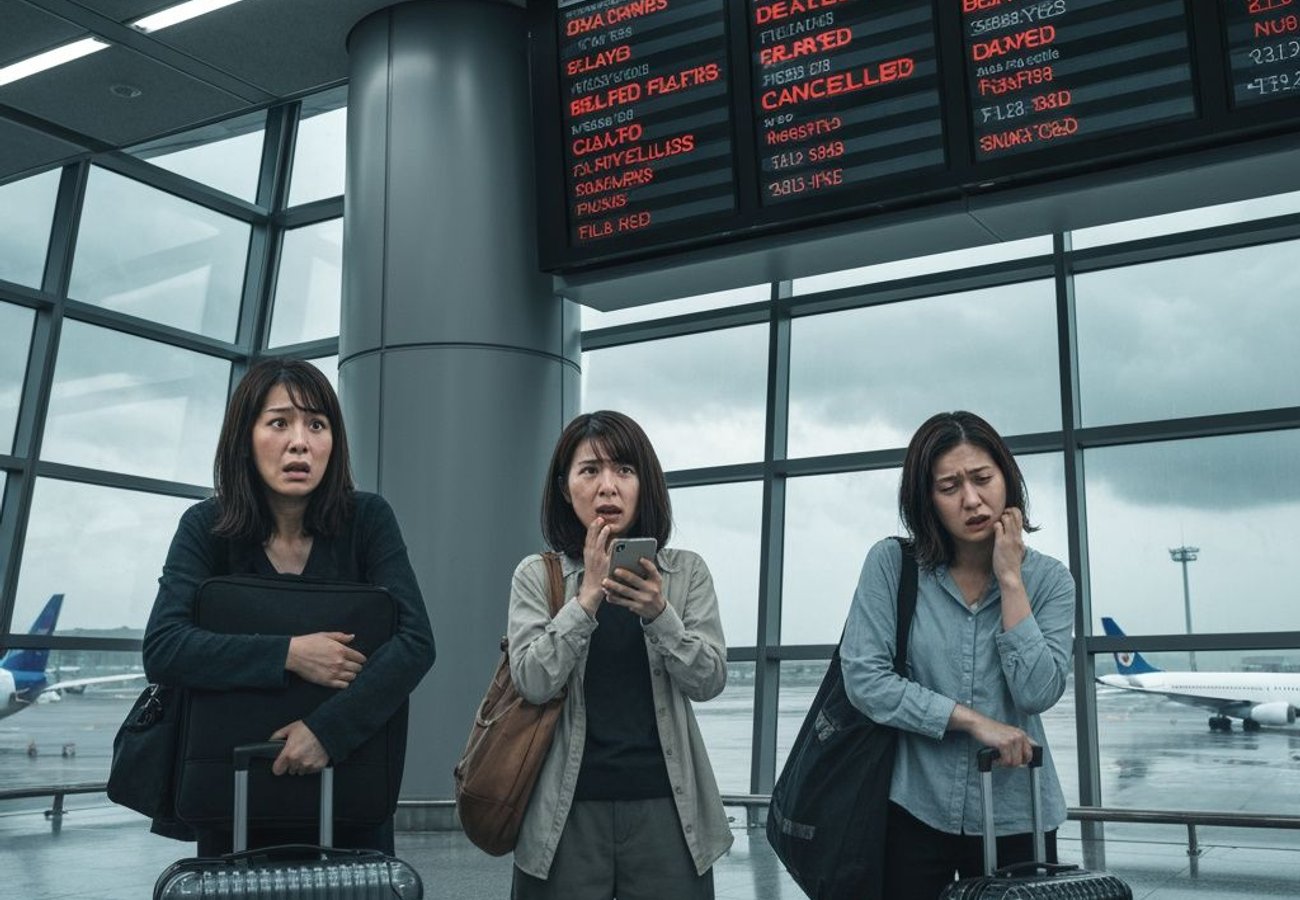
Image generated by AI
Japan Braces for Unprecedented Typhoon Activity: What Travelers Need to Know
Japan is staring down one of the most dangerous storm seasons in recent memory. Meteorologists have issued a stark forecast: up to 28 tropical cyclones could form in the western North Pacific during 2026, with approximately 14 potentially impacting Japan's main islands. This figure towers above the long-term seasonal average, signaling months of relentless weather chaos ahead for both residents and the millions of travelers planning trips to this beloved destination.
The implications are severe. From Okinawa's vulnerable southern islands to the bustling streets of Tokyo, every major tourist hub faces elevated risk. Flight cancellations. Rail service suspensions. Attractions shuttering without warning. This is the reality Japanese travelers must navigate from May through October, with peak danger arriving between August and September.
The Science Behind the Storm Surge
The 2026 typhoon forecast isn't doomsaying—it's grounded in atmospheric science. Warmer ocean temperatures and increasingly unstable atmospheric conditions are supercharging tropical cyclone energy. Even storms that miss direct landfall deliver devastating consequences: torrential rainfall, catastrophic flooding, and hurricane-force winds that can literally stop a nation in its tracks.
Reddit: "I was in Tokyo during the 2019 typhoon and flights got cancelled for days. Hotels ran out of supplies. If there's a chance of another bad season, I'm definitely rescheduling." — r/travel
The Kyushu and Shikoku regions face particular vulnerability, especially early in the season. Okinawa and the Amami chain sit directly in the typhoon corridor, absorbing the brunt of early-season impacts. Meanwhile, the Kanto region (home to Tokyo) waits tensely for autumn storms that historically pack devastating power.
Transport Chaos: Japan's Achilles Heel
Japan's transportation infrastructure is world-class—until a typhoon arrives. The Shinkansen bullet train system, renowned for precision and reliability, becomes gridlocked. Domestic flights get cancelled en masse. Highways close entirely. Road networks vanish underwater.
During previous early-season storms, travelers experienced cascading nightmares: flights grounded for 48+ hours, train services suspended indefinitely, entire regions isolated. A traveler heading to Osaka, Kyoto, or Fukuoka could find their entire itinerary dismantled within hours.
The solution? Flexible hotel and tour bookings are no longer optional—they're essential. Smart tourism operators are now building adaptive packages that allow visitors to reschedule activities based on real-time weather forecasts, ensuring safety without sacrificing the Japanese experience entirely.
Southern Beaches and Coastal Dangers
Okinawa remains a travel magnet for its pristine beaches and water activities. But in 2026, that appeal comes with genuine hazard. Beach closures happen abruptly. Resorts shutter mid-stay. Water activities vanish entirely when storms approach.
Coastal excursions in Kyushu and Shikoku face equally serious threats: landslides, flash flooding, and temporary road closures that strand tourists unexpectedly. Urban centers like Tokyo and Kyoto experience different but equally disruptive impacts—metro shutdowns, sightseeing site closures, and stranded commuters.
Flexibility isn't just smart travel planning; it's mandatory survival strategy.
Disaster Preparedness: Japan's Shield
Japan has invested decades into disaster infrastructure. Nationwide flood defenses. Early warning networks operating 24/7. Evacuation plans drilled into muscle memory. This preparedness has saved countless lives during past typhoons.
But here's the threat: repeated storms within short intervals overwhelm even Japan's exceptional systems. Emergency supplies deplete. Recovery operations stall. Rescue capacity stretches dangerously thin across multiple regions simultaneously. Tourist-heavy areas—already taxed by seasonal visitor surges—face compounded strain when storms hit back-to-back.
Coastal towns implement rapid safety measures: park closures, historical site shutdowns, outdoor market suspensions. These actions disrupt visitor itineraries but are non-negotiable for human safety.
Your Traveler's Survival Checklist
First: travel insurance is non-negotiable this year. Choose policies explicitly covering weather-related cancellations, not just medical emergencies. Standard coverage won't cut it during typhoon season.
Second: Monitor official weather alerts through Japan's meteorological authority and smartphone apps that track typhoon paths in real-time. English-language updates are available through multiple channels.
Third: Book refundable accommodations and tours. The $50-100 premium for flexibility pays dividends when storms force rescheduling.
Fourth: Pack emergency supplies—bottled water, portable phone chargers, basic first-aid kits, and prescription medications. Don't assume hotels will have these available during crisis periods.
Fifth: Check updates daily. Weather forecasts update constantly. A storm moving toward your destination today might veer elsewhere tomorrow. Stay obsessively informed.
The Broader Context: Japan Remains Worth the Risk
Despite the ominous forecast, Japan maintains its status as one of Earth's most rewarding destinations. Typhoons, while genuinely dangerous, are navigable with proper preparation.
Thoughtful planning enables visitors to witness Japan's unparalleled beauty: serene temple gardens, electrifying urban energy, world-class cuisine, and mountainous landscapes that defy description. The typhoon season, paradoxically, also reveals Japanese resilience and community strength—qualities that make the culture so compelling.
Travelers who prepare intelligently—flexible bookings, solid insurance, weather awareness, and emotional adaptability—can absolutely enjoy immersive cultural experiences while staying safe. The key is respect: respect for nature's power and respect for local advisories that may seem inconvenient but exist to keep you alive.
The 2026 typhoon season will test Japan's infrastructure and your travel patience. With preparation, it won't break either.
Japan's beauty is worth the storm—just bring an umbrella and a flexible itinerary.
Related Travel Guides
Disclaimer
This article is for informational and educational purposes only. It does not constitute legal, financial, or professional advice. While we strive to provide accurate and up-to-date information, travel policies, regulations, and conditions change rapidly. Always verify information with official sources before making travel decisions. Nomad Lawyer makes no representations about the accuracy, reliability, completeness, or suitability of the information provided. Readers should consult qualified professionals for advice specific to their circumstances. The views expressed in this article are those of the author and do not necessarily reflect the views of Nomad Lawyer.
Preeti Gunjan
Contributor & Community Manager
A passionate traveller and community builder. Preeti helps grow the Nomad Lawyer community, fostering engagement and bringing the reader experience to life.
Learn more about our team →