
Brazil Flight Chaos Grounds 227 Flights Across Three Major Hubs
Brazil's domestic aviation network remains unstable in 2026 as Rio de Janeiro, São Paulo, and Florianópolis report 227 delayed and 30 canceled flights following a multi-day operational crisis.

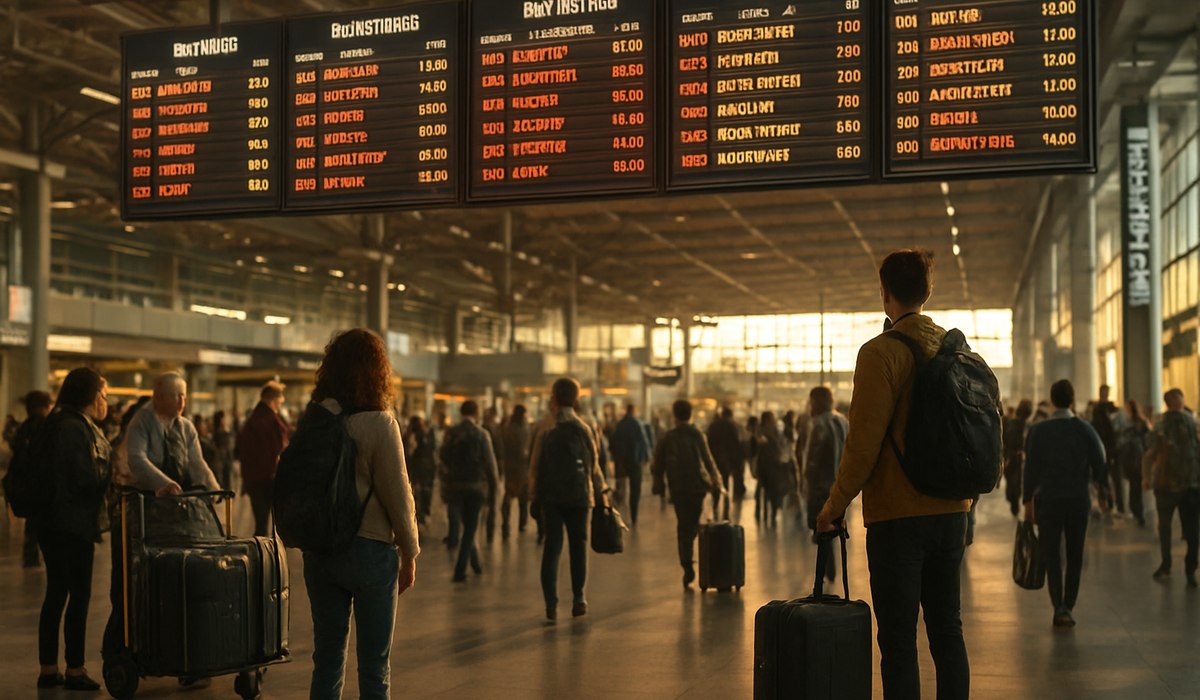
Image generated by AI
Brazil Flight Chaos Disrupts Three Major Hubs on April 11
Brazil's domestic aviation network faced significant turbulence on April 11, 2026, as Rio de Janeiro, São Paulo, and Florianópolis reported 227 delayed and 30 canceled flights. The Brazil flight chaos affected major carriers LATAM Brasil, GOL Linhas Aéreas Inteligentes, Azul Brazilian Airlines, and regional operators. The disruption marks the third consecutive day of operational strain as the country's busiest air corridors work to recover from a technical crisis at São Paulo's Area Control Centre that triggered nationwide cascading delays earlier in the week.
Wave of Disruptions Across Key Brazilian Hubs
Brazil's three largest metropolitan airports absorbed the brunt of the April 11 disruptions. Aggregated data from flight monitoring platforms confirmed 227 delayed and 30 canceled flights across the network, predominantly affecting domestic trunk routes and regional sectors connecting the Southeast and South regions.
São Paulo's dual airports—Guarulhos International and Congonhas—sit at the epicenter of Brazil's aviation network. Delays originating from these departure banks rapidly cascaded to Rio de Janeiro's Galeão International and Santos Dumont airports, which handle high-frequency shuttle traffic between the nation's two largest cities. Florianópolis International Airport in southern Brazil, a crucial leisure gateway serving coastal tourism, experienced mounting operational pressure as aircraft struggled to arrive on schedule from overloaded southeastern hubs.
The disruption statistics, while lower than the April 9-10 peaks that grounded additional hundreds of flights, indicate that Brazil's domestic aviation system remains fragile. Airlines operating full weekend schedules while simultaneously repositioning aircraft and crews exponentially increases knock-on delay risk. According to FlightAware tracking data, the majority of affected flights were short-haul domestic legs lasting one to two hours, pointing to terminal operations congestion and scheduling constraints rather than maintenance-related groundings.
São Paulo and Rio at the Center of Cascading Delays
Terminal operations strain across São Paulo's Guarulhos and Congonhas airports created a domino effect throughout Brazil's entire domestic network. These dual-hub airports function as critical transfer points for connecting passengers traveling to coastal and southern destinations. Gate space scarcity, limited departure slots, and ground handling resource constraints forced even punctual carriers into the disruption cycle.
High-frequency "air bridge" routes between São Paulo and Rio de Janeiro, and between São Paulo and Florianópolis, experienced the heaviest clustering of delays. When aircraft scheduled for onward connections arrive late, subsequent rotations throughout the network suffer progressive delays. Santos Dumont in Rio—a high-frequency business and leisure hub—proved particularly vulnerable to even modest disruption levels. The airport's compressed terminal footprint concentrates large passenger volumes on short-haul routes, meaning relatively small cancellation counts strand hundreds of travelers simultaneously.
Florianópolis International Airport faced mounting pressure as April 11 coincided with peak leisure season demand from domestic tourists and international visitors bound for Santa Catarina's resort communities. Delayed connections from São Paulo threatened precisely timed hotel check-ins, tour group departures, and coastal transportation connections, multiplying the human impact beyond raw flight statistics.
LATAM, GOL, and Azul Navigate Operational Pressures
Brazil's three largest carriers—LATAM Brasil, GOL, and Azul—absorbed the majority of April 11's disruptions. These airlines dominate domestic capacity in São Paulo and Rio de Janeiro, operating most shuttle-style high-frequency services linking metropolitan areas with southern leisure destinations.
Flight tracking platforms revealed concentrated clusters of delayed departures and arrivals on these carrier-dominated core routes. LATAM's extensive domestic network centered on São Paulo-Rio corridors made it particularly susceptible to cascading effects from terminal congestion. GOL's high-frequency scheduling model, while normally efficient, proved vulnerable when gate capacity constraints prevented on-time aircraft turns. Azul's strong presence in regional markets, including Florianópolis connections, exposed the airline to ripple effects originating from the larger southeastern hubs.
Smaller regional and international carriers operating from the three cities experienced secondary impacts despite maintaining otherwise punctual operations. When ground handling resources, departure slot availability, and gate infrastructure become constrained, all operators sharing the same facilities face inevitable delays. Recent aviation coverage attributed broader disruption patterns to lingering effects from the April 9 São Paulo Area Control Centre technical incident—a reminder that fleet positioning and crew roster disruptions can persist for days, quietly degrading weekend schedule reliability.
Network Recovery Timeline and Traveler Impact
Passengers throughout Brazil faced the harsh realities of Brazil flight chaos on April 11: missed connections, airport congestion, and cascading rebooking requirements. Departure boards at São Paulo's twin airports displayed predominantly yellow and red status indicators, with estimated departure times incrementally pushed back throughout the day.
International arrival passengers connecting to domestic services toward coastal destinations risked losing same-day onward flight options entirely. Travelers originating from Rio de Janeiro's Santos Dumont faced particular vulnerability, as the airport's limited gate inventory and high-frequency slot allocation meant that cancellations concentrated passenger volumes into fewer remaining flights. Those bound for Florianópolis—travelers with locked-in resort reservations, cruise ship departures, and tour group schedules—experienced the operational crisis's maximum human impact.
According to the U.S. Department of Transportation, passengers on international flights with U.S. connections retain specific compensation rights. Brazilian aviation authorities continue monitoring network recovery metrics as operators work to restore normal weekend schedules. Full network stabilization may require 48-72 additional hours given the interconnected nature of Brazil's domestic aviation system.
Key Metrics: April 11, 2026 Brazil Flight Disruption
| Metric | Value | Details |
|---|---|---|
| Delayed Flights | 227 | Across Rio de Janeiro, São Paulo, Florianópolis |
| Canceled Flights | 30 | Primarily short-haul regional routes |
| Primary Airports Affected | 6 | Guarulhos, Congonhas, Galeão, Santos Dumont, Florianópolis, plus regional hubs |
| Major Airlines Impacted | 3+ | LATAM Brasil, GOL, Azul Brazilian Airlines |
| Route Type Most Affected | Domestic short-haul | 1-2 hour flights dominating delay/cancellation counts |
| Root Cause Factor | Network recovery | Lingering effects from April 9 São Paulo ATC technical incident |
| Estimated Passenger Impact | Thousands | Conservative estimate based on typical domestic load factors |
What This Means for Travelers
Understanding Brazil flight chaos impacts helps travelers minimize disruption risk when booking or traveling through Brazil's busiest airports.
-
Check real-time flight status before departing home — Use FlightAware or your airline's mobile app to confirm departure times on April 11-13, as network instability may persist through the weekend.
-
Allow extended connection windows — If connecting through São Paulo's Guarulhos or Congonhas, build minimum 3-hour buffer time between domestic-to-domestic connections and 4+ hours for international-to-domestic legs.
-
Contact airlines directly for rebooking — Phone or chat-based agent contact provides faster rebooking options than airport self-service kiosks during high-disruption periods.
-
Verify hotel and tour reservation flexibility — Confirm free modification policies with accommodation providers and activity operators before travel, particularly for Florianópolis coastal destinations.
-
Monitor crew and aircraft positioning updates — Airlines publish expected operational recovery timelines through official channels; follow LATAM, GOL, and Azul social media
Disclaimer
This article is for informational and educational purposes only. It does not constitute legal, financial, or professional advice. While we strive to provide accurate and up-to-date information, travel policies, regulations, and conditions change rapidly. Always verify information with official sources before making travel decisions. Nomad Lawyer makes no representations about the accuracy, reliability, completeness, or suitability of the information provided. Readers should consult qualified professionals for advice specific to their circumstances. The views expressed in this article are those of the author and do not necessarily reflect the views of Nomad Lawyer.
Preeti Gunjan
Contributor & Community Manager
A passionate traveller and community builder. Preeti helps grow the Nomad Lawyer community, fostering engagement and bringing the reader experience to life.
Learn more about our team →