
Jammu Kashmir Floods 2026: Heavy Rainfall and Landslides Disrupt Himalayan Tourism Routes
Heavy rainfall and flash floods in Jammu and Kashmir have triggered landslides and rescue operations, severely impacting tourism routes and pilgrimage travel in 2026.

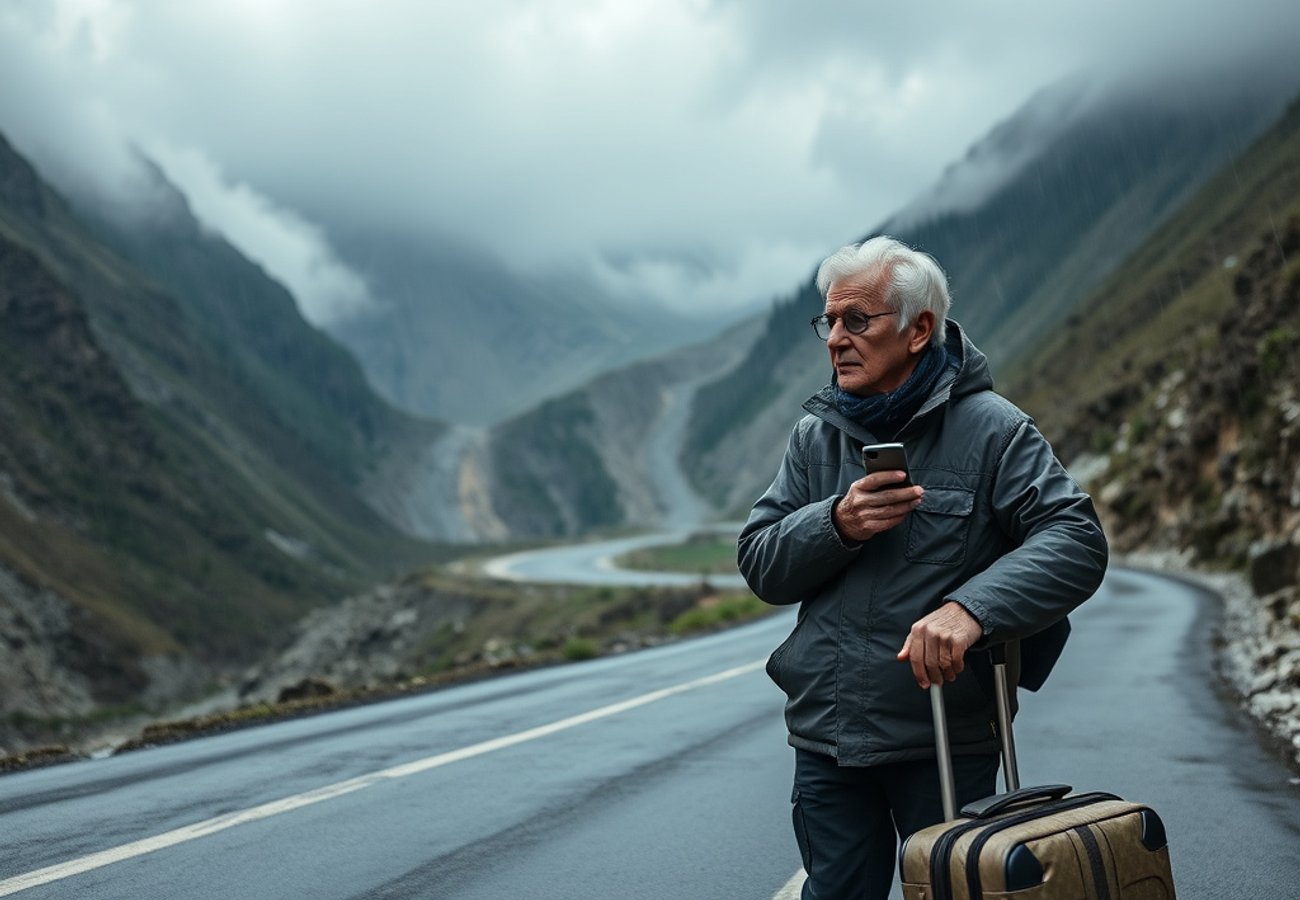
Image generated by AI
Heavy rainfall has triggered widespread flash floods and landslides across Jammu and Kashmir, forcing emergency rescue operations and disrupting critical transport networks for tourists and pilgrims.
The volatility of the Himalayan terrain has once again challenged regional mobility. Intense precipitation has led to rising water levels and road closures, particularly within the Jammu division. While tourism operations have not completely shut down, the safety of movement in remote valleys and pilgrimage corridors is currently compromised.
Industry observers note that the region's heavy reliance on mountainous road connectivity makes it uniquely vulnerable to these weather events. Rescue teams have reported delays in reaching isolated communities due to continuous rainfall and unstable terrain.
Critical Impact on Regional Mobility
The current weather crisis primarily affects three sectors of the local travel economy:
- Pilgrimage Routes: High-altitude corridors are under strict monitoring due to sudden safety risks.
- Adventure Tourism: Trekking and mountain access routes are currently high-risk zones for landslides.
- Infrastructure: Road blockages are hindering the movement of visitors and the delivery of essential services to remote hotels and guides.
Emergency Response Framework
The Jammu and Kashmir administration is utilizing the State Disaster Management Plan to mitigate the crisis. This framework prioritizes risk reduction for flash floods and landslides.
Current coordination involves:
- National Disaster Response Force (NDRF): Leading evacuation and relief efforts.
- Security Forces & Police: Assisting in restoring essential connectivity and managing traffic.
- District Control Rooms: Providing real-time updates and managing emergency medical support.
Essential Safety Protocols for Travelers
Market trends suggest a growing need for climate-resilient planning in the Himalayas. Travelers currently in the region or planning a visit are advised to adhere to the following guidelines:
| Action Item | Recommendation |
|---|---|
| Weather Monitoring | Consult official forecasts before initiating any mountain transit. |
| Route Verification | Confirm road status with district authorities via official platforms. |
| Itinerary Management | Maintain high flexibility; avoid isolated routes during rainfall warnings. |
| Compliance | Strictly follow instructions issued by the Jammu district administration. |
Why This Matters: Industry Implication
This event underscores a systemic vulnerability in Himalayan tourism. The reliance on a limited network of mountain roads means that a single extreme weather event can paralyze the economic activity of entire valleys.
From an analyst's perspective, the 2026 floods highlight a shift in the "travel experience" where disaster preparedness is no longer a secondary concern but a primary component of destination management. The transition toward climate-resilient infrastructure—such as reinforced slope stabilization and advanced early-warning systems—is now a commercial necessity to prevent seasonal tourism collapses.
Forward Outlook
Recovery efforts will focus on restoring road connectivity and clearing landslide debris. However, the broader trend suggests that unpredictable monsoon patterns will continue to influence travel planning. Visitors can expect a permanent increase in the use of district-level advisories and a push toward more responsible, weather-aware tourism practices in the region.
Safety and weather awareness are now central to the Himalayan travel experience.
Related Travel Guides
Disclaimer
This article is for informational and educational purposes only. It does not constitute legal, financial, or professional advice. While we strive to provide accurate and up-to-date information, travel policies, regulations, and conditions change rapidly. Always verify information with official sources before making travel decisions. Nomad Lawyer makes no representations about the accuracy, reliability, completeness, or suitability of the information provided. Readers should consult qualified professionals for advice specific to their circumstances. The views expressed in this article are those of the author and do not necessarily reflect the views of Nomad Lawyer.
Kunal K Choudhary
Co-Founder & Contributor
A passionate traveller and tech enthusiast. Kunal contributes to the vision and growth of Nomad Lawyer, bringing fresh perspectives and driving the community forward.
Learn more about our team →