ITC Hotels Unveils New Storii Mountain Escape in Mussoorie With 65-Key Luxury Retreat

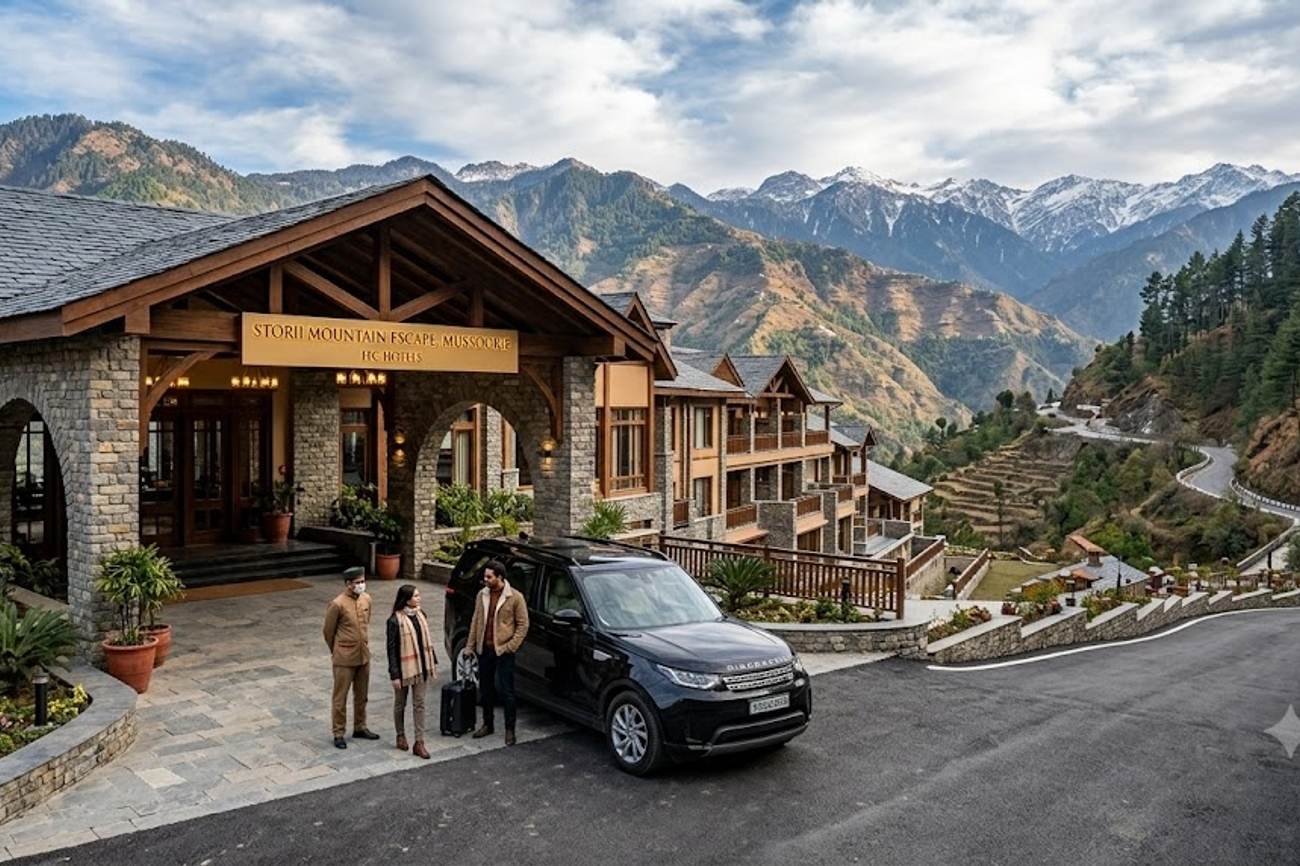
Image generated by AI
The shift toward high-yield boutique inventory in North Indian hill stations has accelerated, with ITC Hotels Limited (ITCHL) expanding its footprint from a portfolio of 14,200 keys across 95+ destinations to include its first dedicated entry into Mussoorie. This strategic move into the Uttarakhand market via the Storii brand signals a pivot away from mass-market luxury toward "immersive" boutique assets, reflecting a broader industry trend where experiential travel is outpacing traditional luxury growth.
The Mussoorie Expansion in Numbers
The entry of Storii by ITC Hotels into Mussoorie is not merely a brand extension but a calculated play for a specific segment of the leisure market. The upcoming property is a 65-key retreat, a size that indicates a focus on exclusivity and high Average Daily Rates (ADR) rather than volume. Located near the Kempty Falls region, the asset is positioned to capture traffic from the Dehradun, Rishikesh, and Haridwar corridors, creating a strategic "wellness triangle" in the foothills of the Himalayas.
From a corporate perspective, this 65-key addition integrates into a massive machinery of 155 hotels. The scale of ITCHL's operations is significant; the company has scaled from a single hotel in 1975 to a network spanning India, Sri Lanka, and Nepal. The Storii brand specifically targets the "premium boutique" space, bridging the gap between the mid-market Fortune brand and the ultra-luxury Mementos or ITC Hotels tiers.
The operational focus of the Mussoorie property—featuring an all-day dining restaurant, a bar, lounge, and dedicated wellness facilities—aligns with current UNWTO data suggesting that post-pandemic travelers are prioritizing "slow travel" and wellness-centric itineraries over checklist-based sightseeing. By limiting the key count to 65, ITCHL is betting on the "meaningful, personal" travel trend cited by Managing Director Anil Chadha, where the guest-to-staff ratio is optimized for personalized storytelling and local immersion.
Comparative Market Context: Boutique vs. Big Box
The Indian hospitality sector is currently witnessing a bifurcation. While large-scale business hotels in metros are recovering their occupancy rates, leisure destinations like Mussoorie are seeing a surge in demand for "branded boutique" experiences. Travelers are increasingly avoiding generic luxury in favor of properties that reflect the "local character" of the destination.
Historically, the luxury segment in North India was dominated by large palaces or sprawling resorts. However, the rise of the Storii philosophy—focused on discovery and authenticity—represents a shift toward smaller, high-impact footprints. This is a response to the evolving preferences of the affluent Indian traveler who now seeks "quiet luxury" and environmental integration.
The following table illustrates the strategic positioning of ITC Hotels' brand architecture, showing how the Mussoorie entry fits into their broader market segmentation:
| Brand Tier | Segment | Primary Target Audience | Key Value Proposition |
|---|---|---|---|
| ITC Hotels / Mementos | Luxury | Ultra-High Net Worth (UHNW) | Global Luxury Standards |
| Epiq Collection | Premium | Corporate & Luxury Leisure | Sophisticated Modernity |
| Welcomhotel | Upper Upscale | Business & Upscale Leisure | Reliability & Scale |
| Storii | Premium Boutique | Experiential / Nature Seekers | Local Immersion & Authenticity |
| Fortune | Mid-market to Upscale | Value-conscious Professionals | Efficiency & Comfort |
| WelcomHeritage | Heritage Leisure | Culture & History Enthusiasts | Preservation & Legacy |
When compared to regional benchmarks, ITCHL’s commitment to sustainability provides a competitive edge. With 25 LEED Platinum-certified hotels—the highest number for any chain globally—and leadership in LEED Zero Water and LEED Zero Carbon certifications, the company is aligning its Mussoorie expansion with the growing demand for eco-conscious travel. According to World Travel & Tourism Council (WTTC) reports, sustainable infrastructure is no longer a "nice-to-have" but a primary driver for luxury bookings in environmentally sensitive zones like the Siwalik mountain ranges.
Practical Traveler Advisory and Strategic Insights
For the individual traveler, the arrival of a branded boutique operator like Storii in Mussoorie changes the booking calculus for the region. Historically, Mussoorie has been split between old-world colonial hotels and unbranded guesthouses. The introduction of a 65-key, professionally managed premium boutique hotel introduces a "middle path": the reliability of a global brand combined with the intimacy of a small retreat.
If you are planning a visit to Uttarakhand, the following data-driven booking strategies apply:
- Anticipate Premium Pricing: Boutique properties with limited key counts (65 keys) typically experience faster occupancy spikes during peak seasons (April-June and October-December). Expect higher ADRs compared to larger hotels in the city center.
- Prioritize Wellness-Centric Stays: Given the inclusion of dedicated wellness facilities and the location near Kempty Falls, this property is designed for "rejuvenation" rather than "sightseeing." Book this if your goal is a retreat; stick to the city center for shopping and transit.
- Leverage Brand Loyalty: As part of the wider ITC network of 155+ hotels, travelers with existing loyalty ties to the group may find better value or perks here than at independent boutique lodges.
The new Storii Mountain Escape introduces a 65-key luxury retreat to Mussoorie, blending high-end hospitality with the serene landscapes of the Garhwal Himalayas. Travelers can explore the region's colonial charm and natural beauty through resources provided by the Uttarakhand Tourism Development Board. 4. Seasonal Timing: To avoid the volatility of Mussoorie's peak leisure demand, booking 12-16 weeks in advance for the "premium boutique" segment is now recommended, as these smaller inventories sell out faster than large-scale hotels.
Forward Projection: The "Hyper-Local" Trajectory
The trajectory of ITC Hotels Limited suggests a continued aggressive expansion into "distinctive destinations." The move into Mussoorie is likely a blueprint for further entries into other untapped North Indian hill stations. We can expect a pattern where ITCHL identifies high-demand leisure pockets and deploys the Storii brand to capture the "immersive" market without the overhead of a full-scale luxury hotel.
Furthermore, the company's recognition at the World Sustainable Travel & Hospitality Awards 2025 suggests that future developments will lean even harder into "Zero Carbon" and "Zero Water" footprints. As government regulations in Uttarakhand become stricter regarding construction in ecologically sensitive zones, ITCHL's expertise in LEED certifications will likely allow them to secure permits and develop properties where other developers cannot.
The broader industry trend is moving toward "destination-led" hospitality. Instead of the hotel being a place to sleep while visiting a city, the hotel itself becomes the destination. By focusing on "local storytelling" and "immersive hospitality," the Storii Mussoorie project is a signal that the future of luxury in India is not about gold faucets, but about the quality of the connection to the land.
FAQ: Mussoorie Boutique Trends 2025
Will hotel prices in Mussoorie increase with the entry of Storii? Likely yes. The entry of a premium boutique brand often resets the local price ceiling. While it increases overall supply, the focus on high-yield, low-key-count luxury typically drives up the average daily rate for the surrounding premium segment.
Is now a good time to book luxury stays in Uttarakhand? Yes, but with a caveat. With more branded boutique options entering the market, there is more variety, but available inventory for high-end, sustainable retreats is shrinking. Booking 3 months in advance is advised for Q2 and Q4.
Which brands are expanding most in the Indian hill stations? We are seeing a shift from legacy luxury brands to "premium boutique" labels like Storii. These brands allow operators to enter smaller markets with lower risk while targeting the high-spending experiential traveler.
How does the sustainability of these new hotels affect the traveler? LEED-certified properties generally offer better air quality, more efficient temperature control, and more ethical sourcing of food. For the traveler, this means a more "guilt-free" luxury experience in fragile mountain ecosystems.
The era of the generic luxury hotel is ending; the age of the destination-integrated retreat has arrived.
Tags: Mussoorie-Hospitality-Growth-2025, Storii-Boutique-Expansion, ITCHL-Market-Share, Uttarakhand-Leisure-Data, LEED-Certified-Hotels-India
Related Travel Guides
This article is for informational purposes. Flight routes, passenger regulations, visa rules, and transit advisories are subject to change by airlines and aviation authorities. Readers are advised to verify schedules and travel documentation with relevant carriers and border agencies before departure.
Related Stories
EU Probes Booking.com Under Digital Services Act Over Fake Hotel Listings, Hijacked Reservations, and Search Ranking Transparency