Italy Joins France and Spain as Europe Autumn Travel Grows Through Wine Harvests and Cultural Festivals: All You Need to Know

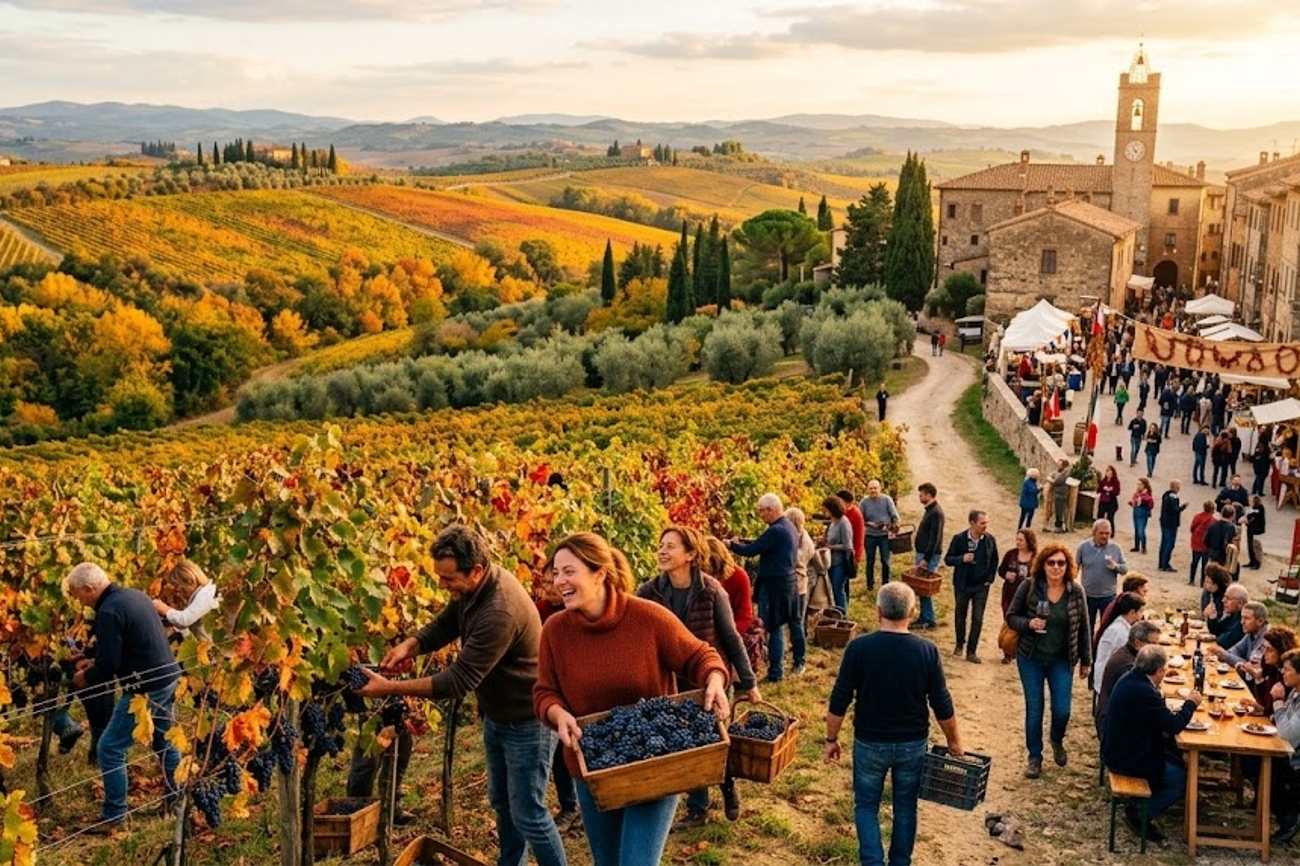
Image generated by AI
7 European nations are currently restructuring their autumn tourism models for 2026 to pivot away from passive sightseeing toward high-yield, immersive cultural participation. This strategic shift is most evident in the transition from traditional summer mass-tourism to a specialized "harvest economy," where the value proposition for the traveler is no longer just the destination, but the active participation in centuries-old agricultural cycles.
The Shift Toward Experiential Agritourism
The European travel market is witnessing a calculated migration of demand. While summer remains the peak for coastal and urban hubs, the autumn window—specifically the harvest period—is being repositioned as a premium window for "slow travel." This is not merely a change in timing but a change in consumer behavior. Travelers are increasingly seeking "authentic" intersections of agriculture and tourism, moving into rural interiors that were previously overlooked during the July-August rush.
This movement is heavily concentrated in the Mediterranean and Central European corridors. In Italy, the concept of la vendemmia (the grape harvest) has evolved from a local farming necessity into a curated tourism product. Similarly, in Portugal and Spain, the harvest is being marketed as a cultural immersion experience. This shift allows regional governments to distribute tourism revenue more evenly across the calendar year, reducing the volatility of the "peak season" crash.
Regional Harvest Data and Distribution
The redistribution of autumn travel is segmented by specific regional draws. While Italy and France maintain dominance through wine heritage, Germany and Austria are leveraging folk traditions and seasonal agriculture to maintain occupancy rates.
| Country | Primary Autumn Driver | Core Experience | Key Geographic Focus |
|---|---|---|---|
| Italy | Viticulture & Mycological | La Vendemmia & Truffle Hunting | Tuscany, Piedmont, Umbria, Lazio |
| France | Wine Heritage & Urban Harvest | Estate Tours & Montmartre Festival | Bordeaux, Burgundy, Champagne, Loire Valley, Paris |
| Spain | High-Energy Viticulture | Grape Harvest Fiestas | La Rioja, Penedès, Aragón, Madrid |
| Germany | Folk Festivals & Pomology | Oktoberfest & Pumpkin Festivals | Munich, Ludwigsburg, Rhine/Mosel |
| Austria | Alpine Pastoralism | Almabtrieb (Cattle Drive) | Salzburg, Alpine regions |
| Croatia | Gastronomy & Nature | Truffle Hunting & Coastal Escapes | Istria, Dubrovnik, Plitvice Lakes, Hvar |
| Portugal | Rural Viticulture | Traditional Grape Harvesting | Rural wine regions |
The operational scale of these events is significant. In Germany, the City of Munich manages the massive logistical influx for Oktoberfest, while France leverages the Official Tourism Portal of France to direct traffic toward the Loire Valley and Burgundy, ensuring that the influx of visitors does not overwhelm the fragile rural infrastructure of these wine-producing zones.
Expert Analysis: The Economics of the Harvest Window
For the modern traveler, the transition to autumn travel is a hedge against the "overtourism" crisis currently plaguing European capitals. However, the direct consequence of this shift is a change in pricing dynamics. We are seeing a "seasonal premium" emerge; while flights may be cheaper than in August, the cost of curated "experience packages"—such as truffle hunting in Piedmont or private estate tours in Bordeaux—often carries a higher price point than standard hotel stays.
The pricing pressure is created by the scarcity of the experience. A truffle hunt in Istria or a vendemmia event in Tuscany is a time-bound commodity. Once the harvest window closes, the product ceases to exist. This creates a high-demand, short-supply market that benefits local boutique operators over large hotel chains.
Furthermore, the integration of urban harvest festivals, such as the Montmartre Grape Harvest in Paris, suggests a strategy to "ruralize" the city. By bringing harvest traditions into the urban core, tourism boards are attempting to capture the "experience seeker" who may not have the time or budget to travel to the deep countryside of the Loire Valley. This creates a tiered tourism product: the "Lite" experience in the city and the "Deep" experience in the province.
As Europe's autumn travel season gains momentum, Italy has joined France and Spain as a top destination, with wine harvests and cultural festivals drawing in visitors. For the most up-to-date information on travel requirements and COVID-19 protocols, visitors can check the official Italian Government Tourist Board website. This resource provides valuable insights into the country's various regions, including Tuscany, Piedmont, and Veneto, which are known for their wine production and autumn festivities.
For those booking these routes for 2026, the logistical implication is clear: the traditional "last-minute" booking strategy is obsolete for autumn. Because these events are tied to agricultural cycles and limited village capacities, the window for securing authentic placements is significantly narrower than for standard city breaks.
Key Takeaways
- Diversification of Revenue: European destinations are using autumn harvest festivals to flatten the seasonality curve, moving away from a summer-only reliance.
- Niche Specialization: Travel is shifting toward specific agricultural events, such as the Almabtrieb in Austria and the Alba White Truffle Fair in Italy.
- Urban-Rural Synergy: Cities like Paris are implementing urban harvest festivals to bridge the gap between metropolitan tourism and rural traditions.
- Capacity Constraints: The shift toward "slow travel" and rural stays means that boutique accommodations in wine regions (Tuscany, La Rioja, Burgundy) will face higher competition during the harvest window.
- Strategic Timing: The most significant cultural events are now concentrated in the "shoulder season," making September and October high-value months for cultural tourists.
FAQ: European Autumn Travel 2026
When is the best time to visit Europe for wine harvests? The peak window is typically September through October. This varies by region; for example, the la vendemmia in Italy and harvest festivals in La Rioja, Spain, generally center around this period, coinciding with the cooling temperatures and changing foliage.
What is the 'Almabtrieb' in Austria? It is a traditional Alpine custom where cattle, decorated with floral crowns and bells, are driven down from high mountain pastures to their home villages. It is a major community event featuring regional food, music, and folk celebrations.
Are autumn festivals in Europe crowded? While less crowded than summer beaches, specific events like Munich's Oktoberfest or the Alba White Truffle Fair in Piedmont attract massive global crowds. Rural vineyard tours are generally quieter but require advance booking due to limited capacity.
Which regions are best for food-focused autumn travel? Piedmont and Istria are the primary hubs for truffle enthusiasts. For wine, the Bordeaux and Burgundy regions of France and the Tuscany and Umbria regions of Italy offer the most integrated culinary and agricultural experiences.
The transition from sightseeing to participating marks the new era of the European journey.
Tags: #LaVendemmia2026 #OktoberfestMunich #TuscanyWineTourism #AlmabtriebAustria #BordeauxHarvest #IstriaTruffleSeason
Related Travel Guides
- Scotland Highlights Coorie Travel As Highland Escapes Blend Wild Adventures With Cosy Retreats
- New Zealand Unites With Philippines and Many More as Global Destinations Gain From Rising Chinese Travel Demand and New Holiday Routes
- Saudia Secures Global Top 15 Position After Strong Growth in 2026 Skytrax Rankings
This article is for informational purposes. Flight routes, passenger regulations, visa rules, and transit advisories are subject to change by airlines and aviation authorities. Readers are advised to verify schedules and travel documentation with relevant carriers and border agencies before departure.
Related Stories

European Mass Protests Disrupt Travel Across France, Italy, Belgium, and Turkey in 2026

Sicily, Tuscany and Piedmont: Italy's Luxury Vineyard Escapes Attract US Travelers in 2026