
Istanbul Heatwave Travel Alert: 40°C Heat Index Triggers Tourism Shutdown Across Turkey, Greece, Bulgaria, Syria—July 2026
A dangerous northwest heatwave is driving Istanbul's heat index toward 40°C, triggering widespread travel disruption, tourism slowdown, and health risks across Southeast Europe and the Eastern Mediterranean in summer 2026.

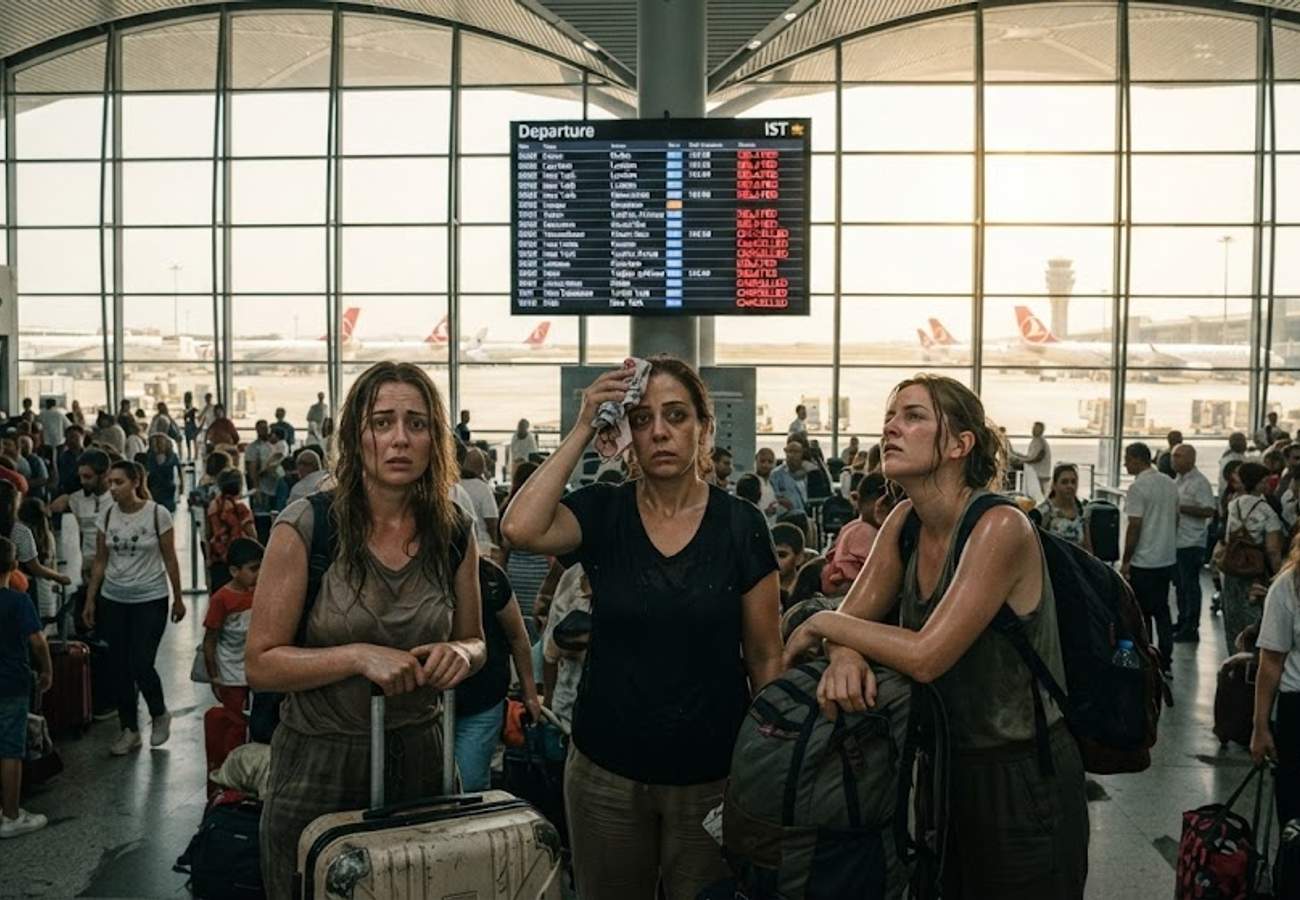
Image generated by AI
Istanbul Under Siege: A Dangerous Northwest Heatwave Reshapes Summer Travel Across Four Nations
Istanbul is experiencing a rapidly intensifying climate crisis that's forcing tourists to reconsider summer plans. A powerful northwest-origin heatwave is pushing actual temperatures to around 32°C, but here's where it gets alarming—extreme humidity is driving the perceived heat index dangerously close to 40°C. This combination is creating widespread travel chaos, tourism slowdown, and serious health risks across the entire region.
The impact extends far beyond Turkey's borders. Greece, Bulgaria, and Syria are all caught in the same thermal squeeze, making this a regional travel emergency rather than a single-destination issue.
When Temperature Becomes Deceptive: The Heat Index Crisis
What travelers need to understand is simple but critical: the actual temperature reading isn't what matters when humidity soars.
When moisture-heavy air prevents sweat from evaporating efficiently, your body retains heat far longer. The result? A "feels-like" temperature that's significantly higher than what thermometers read. Reddit: "I was in Istanbul last summer and experienced 38°C heat index. Even ten minutes outside felt like stepping into an oven. People underestimate how dangerous that is." — r/travel
This isn't just discomfort. It's a direct threat to tourism operations.
Tourism in Freefall: The Real-Time Impact
Walking tours are being cancelled or rescheduled to early morning hours. Outdoor sightseeing activities—the backbone of Istanbul's summer tourism—are experiencing dramatic declines during peak hours.
Hotel occupancy patterns are shifting. Transport systems are straining under demand for air-conditioned spaces. Ferry services are seeing reduced bookings as potential passengers avoid exposed outdoor excursions.
The tourism sector across Turkey, Greece, Bulgaria, and Syria is adapting on the fly, but the short-term economic impact is undeniable. Hospitality operators are actively shifting their activity schedules to nighttime hours, when perceived temperatures drop closer to manageable levels.
The Urban Heat Island Effect: When Cities Become Ovens
Istanbul's built environment is amplifying the crisis. Vast areas of concrete, asphalt, and dense infrastructure absorb solar radiation all day, then radiate heat back into the atmosphere well into the night.
This means nighttime temperatures remain dangerously elevated—preventing the recovery period both residents and visitors desperately need. Green spaces are scarce in heavily developed districts, eliminating the natural cooling zones that could provide relief.
Evening tourism activities—waterfront walks, cultural exploration, open-air dining—are becoming physically demanding. The urban heat island effect isn't just an environmental concern; it's a tourism logistics problem.
Health Alert: Heat Stress and Dehydration Now the Travel Reality
The combination of heat and humidity creates genuine health risks. Heat stress, dehydration, fatigue, and reduced physical endurance are escalating across tourist zones. The CDC's heat illness guidance emphasizes that heat index values above 41°C represent "extreme caution" territory.
Tourism operators are implementing mandatory schedule changes, shifting outdoor activities to early morning (6-9 AM) or late evening (8 PM onwards) windows. Midday movement is becoming a high-risk activity.
Travelers are being advised to carry constant hydration supplies, use shaded routes, and plan indoor breaks into their daily itineraries. What was once optional safety advice is now essential travel planning.
Regional Breakdown: Four Countries in Thermal Stress
Turkey remains the epicenter. Istanbul is experiencing the strongest heat-humidity combination. Coastal tourism regions are seeing reduced daytime activity as comfort levels plummet.
Greece is facing intense pressure in island and coastal destinations. Higher humidity impact is decimating midday sightseeing schedules. Ferry and outdoor excursion bookings are down sharply as visitor comfort levels decline in exposed areas.
Bulgaria is experiencing sustained inland heat accumulation. Urban centers are reporting reduced outdoor activity demand as residents and visitors retreat indoors. Road travel conditions are becoming physically demanding during peak hours.
Syria is experiencing heatwave expansion across multiple regions. Outdoor daytime movement is becoming increasingly restricted as temperatures remain dangerously elevated throughout extended periods.
Water Crisis Looming: Environmental Pressure Rising
Higher temperatures are accelerating evaporation from reservoirs and natural water bodies across the region. This creates a compounding problem: rising tourism demand for water coincides with declining water availability.
Tourism facilities are implementing water conservation protocols—shorter showers in hotels, efficient consumption practices in hospitality operations. The UN Environment Programme has flagged heat-driven water stress as a critical regional vulnerability.
This environmental pressure could extend the tourism impact beyond the immediate heatwave period.
Wildfire Risk: The Invisible Threat
As vegetation dries and temperatures remain extreme, wildfire risk is escalating rapidly across forested and rural regions. Dry plant material combined with sustained high heat creates highly flammable conditions where even minor ignition sources trigger rapid fire spread.
Authorities are enforcing strict compliance with forest access rules. Rural tourism is being restricted in vulnerable areas. Waste disposal in outdoor environments is now a critical safety concern—discarded materials can ignite under extreme heat conditions.
What's Next: The Short-Term Forecast
The current heatwave pattern is expected to maintain pressure on travel and tourism systems in the immediate term. High humidity levels combined with sustained northwest air flow will likely keep perceived temperatures elevated through mid-July.
Tourism operators, transport systems, and urban infrastructure are all actively adjusting management protocols. The overall travel environment across Turkey, Greece, Bulgaria, and Syria will remain challenging until atmospheric conditions stabilize—expected sometime in late July based on current meteorological models.
Travelers should monitor official weather services closely and adjust plans accordingly.
Pack electrolytes, plan for early mornings, and never underestimate what 40°C heat index can do to your body.
Related Travel Guides
Disclaimer
This article is for informational and educational purposes only. It does not constitute legal, financial, or professional advice. While we strive to provide accurate and up-to-date information, travel policies, regulations, and conditions change rapidly. Always verify information with official sources before making travel decisions. Nomad Lawyer makes no representations about the accuracy, reliability, completeness, or suitability of the information provided. Readers should consult qualified professionals for advice specific to their circumstances. The views expressed in this article are those of the author and do not necessarily reflect the views of Nomad Lawyer.
Kunal K Choudhary
Co-Founder & Contributor
A passionate traveller and tech enthusiast. Kunal contributes to the vision and growth of Nomad Lawyer, bringing fresh perspectives and driving the community forward.
Learn more about our team →