
Flight Chaos Grounds Thousands Across US Aviation Network April 2026
Flight chaos grounds thousands of travelers as 171 flights cancel and 4,484 delay simultaneously across major US hubs in April 2026. Widespread disruption affects United, Spirit, Frontier, Alaska Airlines and international carriers.

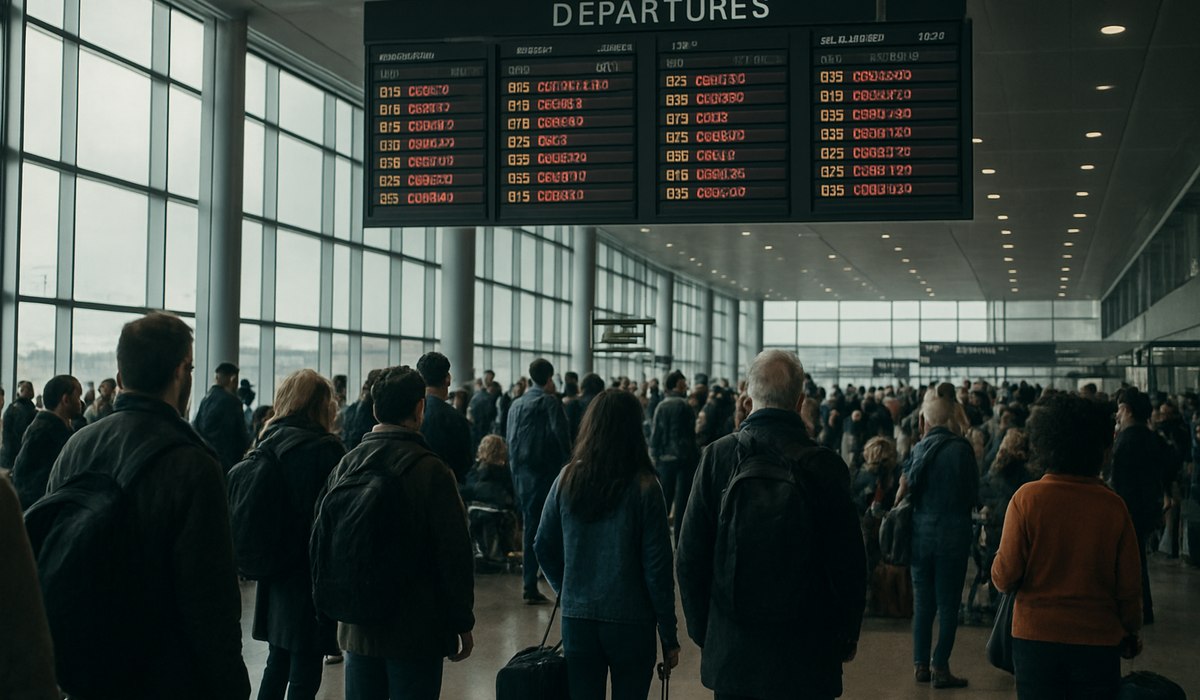
Image generated by AI
Massive Flight Disruption Sweeps Across US Airways
Thousands of American travelers face unprecedented travel delays as a coordinated wave of operational challenges simultaneously affects major carriers nationwide. On April 14, 2026, at least 171 flights canceled while approximately 4,484 flights experienced significant delays across United States aviation hubs. The disruption spans from the East Coast to the Pacific, touching Detroit, Newark, Atlanta, Los Angeles, and even Guam. Carriers including United Airlines, Spirit Airlines, Frontier Airlines, Alaska Airlines, and international operator Lufthansa reported cascading schedule complications. This represents one of the most widespread instances of flight chaos grounds disruptions affecting the interconnected US aviation network in recent memory.
Scope of Disruption: 171 Cancellations and Thousands of Delays
The scale of April 14's aviation disruption requires travelers to understand the magnitude of what transpired. The simultaneous combination of 171 outright cancellations paired with 4,484 delayed flights created a compounding effect throughout airline networks. When flight chaos grounds operations at this level, ripple effects extend far beyond the initial disruption point. Airlines operating hub-and-spoke systems experienced particular vulnerability, as single-airport delays triggered cascading problems across their entire route networks.
Low-cost carriers including Spirit and Frontier demonstrated heightened susceptibility to the disruption pattern. These airlines typically operate dense point-to-point networks where delays on early departures create domino effects throughout entire daily rotations. Full-service legacy carriers like United also faced substantial impacts, though their larger fleet sizes and scheduling flexibility allowed for some passenger rebooking options. International carriers faced the additional complexity of managing long-haul connections, where even minor delays compromise onward passenger connections across multiple continents.
Real-time aviation data sources tracked the progression throughout the day as operations struggled to normalize. Check live tracking information through FlightAware for current flight statuses and delay estimates during ongoing disruptions.
Which Airlines and Hubs Are Affected Most
Major carriers significantly impacted by April 14 disruptions included:
United Airlines, which operates substantial hub operations at Newark and multiple other locations, reported widespread delays and select cancellations. Spirit Airlines, with its concentrated operations at several secondary hubs, experienced particularly acute scheduling challenges as turnaround times extended dramatically. Frontier Airlines, maintaining significant Denver and Las Vegas base operations, implemented selective cancellations to manage afternoon and evening flight operations.
Alaska Airlines, operating from extensive West Coast and Pacific hubs, recorded scattered cancellations alongside numerous delays throughout their system. Lufthansa and other transatlantic operators reported knock-on effects to US routes as inbound long-haul flights arrived late, creating departure sequence disruptions.
Airport hub performance during the disruption:
Detroit Metropolitan Wayne County Airport emerged as an initial disruption epicenter when weather systems moved through the upper Midwest region. Newark Liberty International Airport, already operating near maximum capacity under normal circumstances, proved especially vulnerable to schedule breakdowns. Atlanta's Hartsfield-Jackson International Airport, handling the world's largest passenger volumes, logged hundreds of individual delays as storm systems affected the southeastern region. Los Angeles International Airport experienced secondary effects from delayed arriving aircraft originating from weather-affected regions. Guam's Antonio B. Won Pat International Airport, critical for Pacific operations, recorded retimed departures as long-haul aircraft arrived behind schedule.
Consult the FAA website for official airport status updates and operational information.
Why Airlines Choose Delays Over Cancellations
Industry operational practices reveal important distinctions between delay and cancellation strategies. When flight chaos grounds operations, carriers frequently opt to hold aircraft at gates or delay departures rather than outright cancellations. This approach preserves operational continuity and avoids triggering automatic passenger compensation requirements under Department of Transportation regulations.
Delays allow airlines to maintain crew and aircraft positioning for subsequent flights, minimizing cascading cancellations throughout the schedule. From a commercial perspective, delayed flights generate revenue and fulfill contracted capacity promises to booking partners. However, this strategy intensifies passenger frustration when delays extend throughout the day without resolution.
Weather-related delays specifically receive different regulatory treatment than airline-caused delays. This distinction incentivizes carriers to characterize disruptions as weather-related whenever reasonable, justifying longer delay periods without compensation obligations. Passengers experiencing multi-hour delays should understand that weather attribution limits their legal recovery rights.
International Impact and Cascading Effects
Transatlantic carriers including Lufthansa, British Airways, and Air France experienced secondary impacts from the American disruption. Long-haul aircraft scheduled to depart major US hubs encountered delayed inbound positioning flights, forcing departure schedule adjustments. Passengers connecting through affected US airports toward European, Asian, and other international destinations experienced substantial itinerary impacts.
The disruption demonstrated how integrated global aviation networks amplify regional problems into worldwide effects. A thunderstorm system affecting Georgia airport operations eventually impacts connections in London, Frankfurt, and Tokyo as aircraft and crew rotations fall progressively behind schedule. International passengers often possess limited alternative routing options compared to domestic travelers, intensifying their disruption experience.
Recovery in international operations typically requires additional time beyond domestic schedule normalization. Airlines must realign crew rest requirements, aircraft maintenance windows, and international slot allocations as the cascade effect gradually resolves.
Traveler Action Checklist
Immediate steps for travelers affected by flight chaos grounds disruptions:
-
Check your flight status immediately using FlightAware or your airline's mobile application before heading to the airport.
-
Contact your airline directly through their official customer service lines rather than relying on social media or third-party services for accurate rebooking information.
-
Document all communications with airline representatives, including agent names, confirmation numbers, and promised assistance for record-keeping and potential claims.
-
Understand your passenger rights by reviewing US Department of Transportation consumer protections applicable to your specific situation.
-
Request written confirmation of meal vouchers, hotel accommodations, or rebooking options provided by the airline as compensation for extensive delays.
-
Verify alternative flight options across all airlines serving your route before accepting the first rebooking offer, as premium carriers may offer superior routing.
-
Preserve receipts for all personal expenses incurred due to the delay, including meals, transportation, and accommodations.
-
File a formal complaint with the US Department of Transportation if you believe your airline failed to provide required passenger protections.
Key Data Table: April 14, 2026 Disruption Snapshot
| Metric | Value | Impact |
|---|---|---|
| Total Cancellations | 171 flights | Direct passenger rebooking required |
| Total Delays | 4,484 flights | Cascading effects across networks |
| Primary Cause | Weather + staffing constraints | Midwest/Southeast thunderstorms + ATC shortages |
| Most Affected Carrier | United Airlines | Multiple hub concentrations |
| Worst Hit Airport | Atlanta Hartsfield-Jackson | Highest passenger volume impact |
| Secondary Affected Regions | Europe, Asia via connections | Long-haul passenger rerouting complexity |
| Expected Recovery Time | 24-48 hours | Crew, aircraft rotation normalization |
What This Means for Travelers
This disruption underscores critical realities about modern aviation vulnerabilities. The interconnected hub-and-spoke system creates systemic risk where problems at any major airport propagate throughout the entire network. Travelers should expect that flight chaos grounds operations will continue affecting US aviation as long as underlying staffing, infrastructure, and weather challenges persist.
Actionable passenger strategies:
Build flexibility into travel schedules by booking flights earlier in the day when possible, allowing recovery time before
Disclaimer
This article is for informational and educational purposes only. It does not constitute legal, financial, or professional advice. While we strive to provide accurate and up-to-date information, travel policies, regulations, and conditions change rapidly. Always verify information with official sources before making travel decisions. Nomad Lawyer makes no representations about the accuracy, reliability, completeness, or suitability of the information provided. Readers should consult qualified professionals for advice specific to their circumstances. The views expressed in this article are those of the author and do not necessarily reflect the views of Nomad Lawyer.
Kunal K Choudhary
Co-Founder & Contributor
A passionate traveller and tech enthusiast. Kunal contributes to the vision and growth of Nomad Lawyer, bringing fresh perspectives and driving the community forward.
Learn more about our team →