
Israel-Lebanon Border Conflict 2026: Military Escalation at Ali al-Taher Ridge Sparks Middle East Tourism Crisis
Military escalation between Israel and Lebanon at the Ali al-Taher ridge is triggering widespread travel uncertainty and threatening tourism recovery across the Middle East.

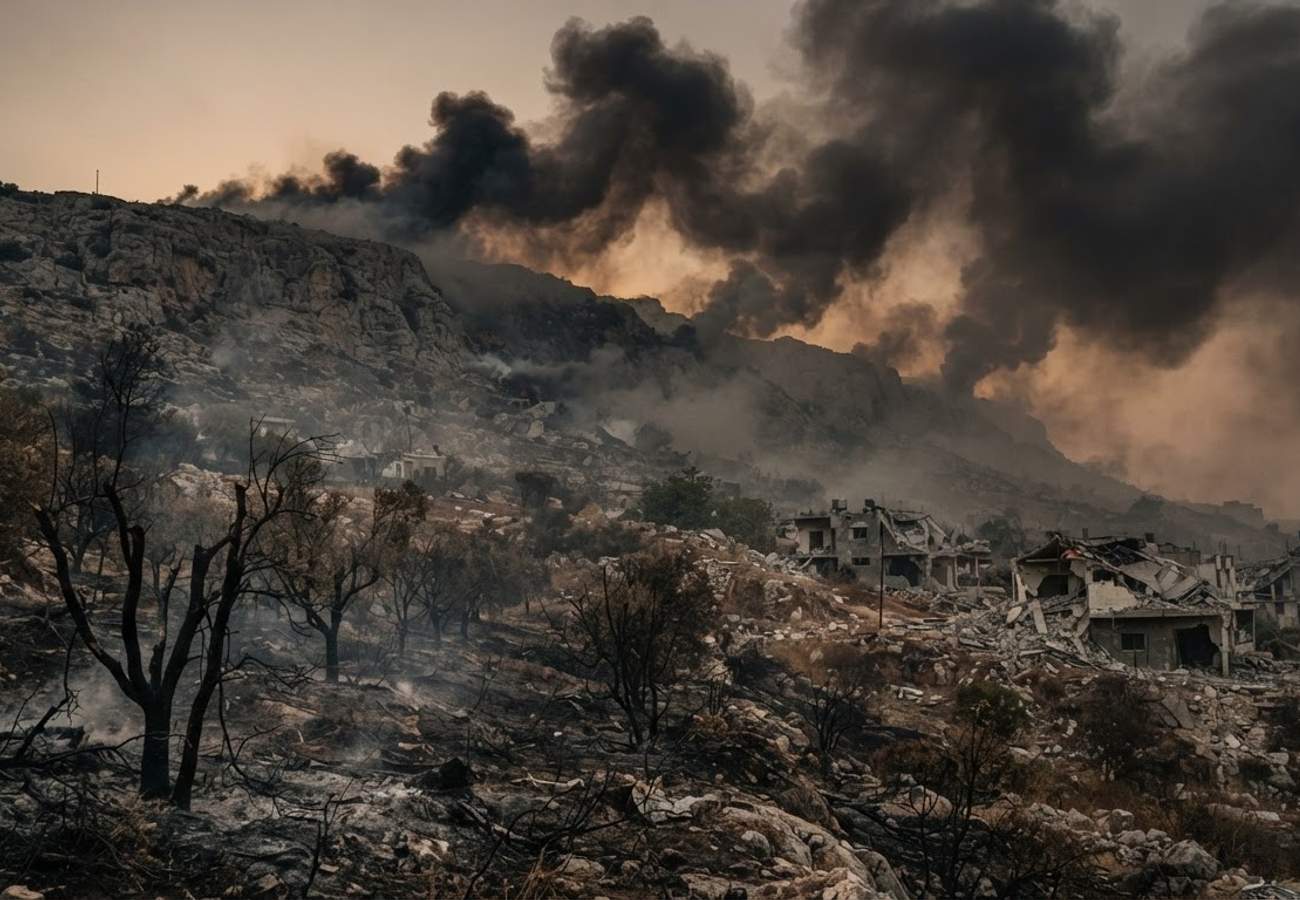
Image generated by AI
Regional stability is under severe pressure as heavy Israeli shelling and military operations in southern Lebanon signal a potential transition from limited confrontation to a larger conflict.
Strategic Escalation at Ali al-Taher Ridge
Military activity has intensified around the Ali al-Taher ridge in southern Lebanon. This elevated position is a critical strategic flashpoint, providing a commanding view of surrounding territories and serving as a primary point of friction between Israeli forces and Hezbollah.
Recent operations have involved a combination of heavy airstrikes, artillery fire, and ground advances. Analysis of the tactical situation indicates that the ridge has become a symbol of the wider security struggle, where any further escalation risks destabilizing the entire border region.
Impact on Civilian Infrastructure and Agriculture
The violence has extended into residential and agricultural zones, specifically affecting the community of Bani Hayyan. Reports confirm the following impacts:
- Residential Damage: Heavy shelling and machine-gun fire have resulted in the destruction of homes, forcing civilian populations to flee.
- Agricultural Loss: Fires have spread through olive groves, which are central to the economic identity and survival of southern Lebanese families.
- Humanitarian Strain: The destruction of farmland and housing creates long-term recovery hurdles that persist well after active fighting ceases.
Israeli officials maintain these operations are essential security measures to neutralize Hezbollah positions and prevent future attacks. Conversely, Lebanese sources allege a deliberate violation of the fragile truce and the intentional targeting of civilian infrastructure.
Middle East Tourism and Travel Disruption
The tourism sector in the Middle East is highly sensitive to perceptions of safety. Even when primary tourist hubs remain physically distant from the Ali al-Taher ridge, regional instability triggers a "contagion effect" regarding traveler confidence.
Current disruption indicators include:
- Decreased Booking Confidence: A measurable shift in travel planning as international visitors avoid the region.
- Heightened Security Screening: Increased scrutiny and security updates for flights entering the Levant.
- Lebanese Recovery Setback: Lebanon’s efforts to rebuild its tourism industry—reliant on its coastline and cultural history—face a new period of stagnation.
Passenger Rights & Advisory
For passengers with bookings in Lebanon or neighboring regions, the current escalation triggers specific legal and financial considerations.
Flight Cancellations and Rebooking If your flight is cancelled due to the conflict, our analysis of aviation policy suggests the following:
- Force Majeure: Airlines often categorize military conflict as "extraordinary circumstances," which may exempt them from paying cash compensation under frameworks like EU261/2004.
- Duty of Care: Regardless of the cause, airlines are generally required to provide re-routing to the final destination or a full refund of the ticket price.
- Rebooking Rights: For the affected passenger, this means you should prioritize securing a refund or an alternative route immediately, as seat availability drops rapidly during regional crises.
Travel Insurance and "War Clauses" Most standard travel insurance policies contain specific exclusions for "acts of war" or "civil unrest."
- Coverage Gaps: If a government issues a "Do Not Travel" warning for southern Lebanon, your insurance may be voided for that specific region.
- Evacuation Costs: Check if your policy includes "Political Evacuation" coverage. Without this, the cost of emergency extraction from conflict zones falls entirely on the traveler.
Industry Analyst View
The volatility of the Israel-Lebanon border is a systemic risk to the broader Middle East tourism strategy. The transition from localized skirmishes to wide-scale artillery use suggests a breakdown in the fragile truce.
From an industry perspective, the primary danger is not just the physical conflict but the "perception of risk." When strategic points like the Ali al-Taher ridge become active combat zones, the entire region is often painted as high-risk by insurance underwriters and foreign ministries, leading to a sharp decline in high-spend international tourism.
The region remains at a critical crossroads where tactical military decisions will dictate the economic viability of the 2026 travel season.
Related Travel Guides
Disclaimer
This article is for informational and educational purposes only. It does not constitute legal, financial, or professional advice. While we strive to provide accurate and up-to-date information, travel policies, regulations, and conditions change rapidly. Always verify information with official sources before making travel decisions. Nomad Lawyer makes no representations about the accuracy, reliability, completeness, or suitability of the information provided. Readers should consult qualified professionals for advice specific to their circumstances. The views expressed in this article are those of the author and do not necessarily reflect the views of Nomad Lawyer.
Kunal K Choudhary
Co-Founder & Contributor
A passionate traveller and tech enthusiast. Kunal contributes to the vision and growth of Nomad Lawyer, bringing fresh perspectives and driving the community forward.
Learn more about our team →