
Glacier National Park Braces for Historic 2026 Crowds as Travelers Pivot to Montana's Hidden Wilderness Alternatives
With over three million visitors in 2025, Glacier National Park is facing unprecedented congestion in 2026, driving a trend toward Montana's lesser-known national forests and state parks.

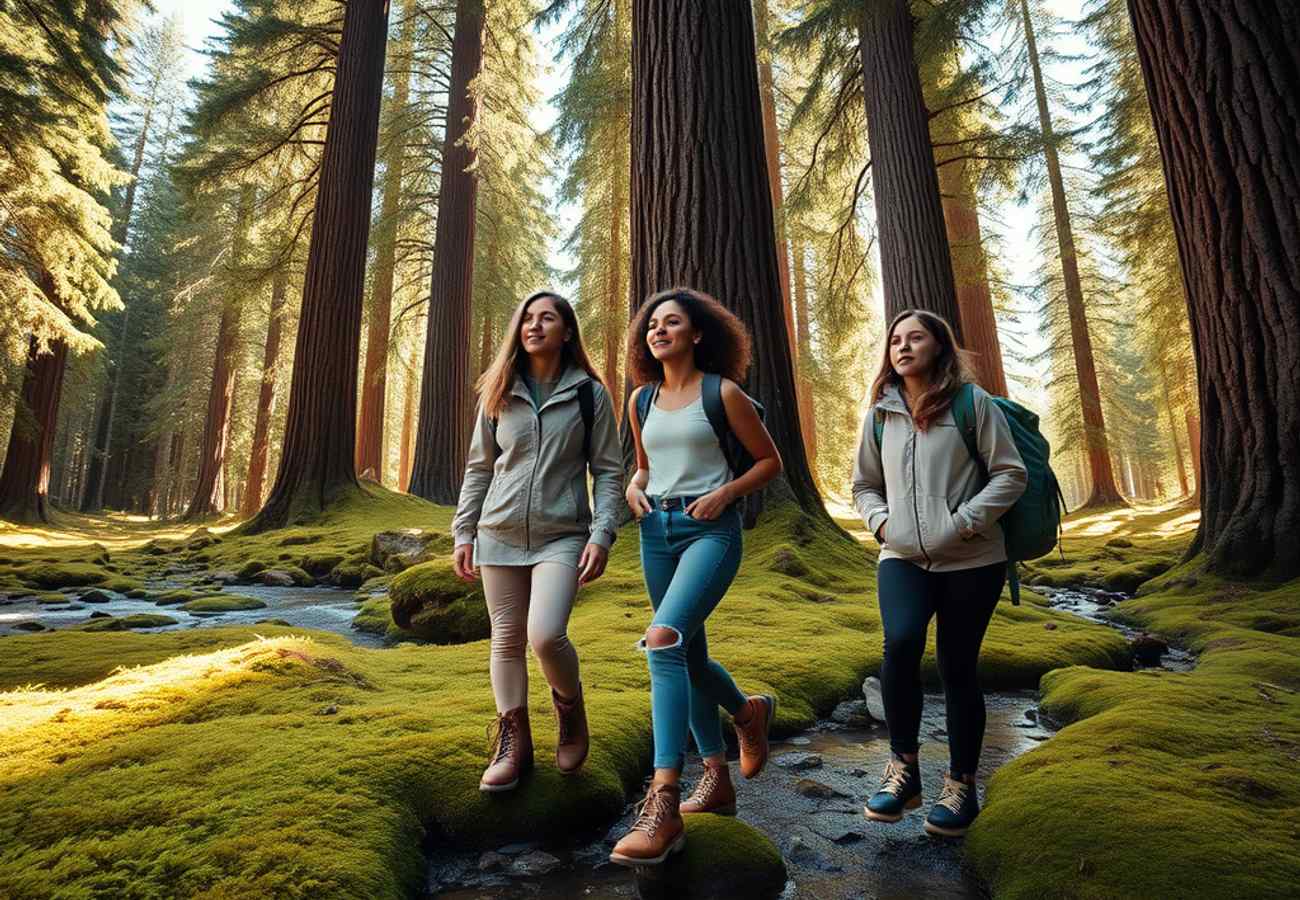
Image generated by AI
The surge of "over-tourism" at Montana's most famous peak has reached a breaking point, forcing 2026 visitors to seek serenity in the state's untapped backcountry.
The Local Trend Revealed
Glacier National Park has transitioned from a secluded mountain sanctuary to a global tourism magnet. After seeing more than three million visitors in 2025, the park is bracing for even higher numbers in 2026. This influx has fundamentally altered the visitor experience, introducing restrictive new ticketing systems for the Glacier National Park shuttle and creating volatile congestion patterns as crowds swarm top attractions immediately following seasonal closures.
Beyond the logistical hurdles, the sheer density of humans in the ecosystem has increased natural friction, including abrupt trail closures due to bear encounters. In response, a significant shift is occurring: "Diversionary Tourism." Travelers are no longer treating Glacier as the sole destination but are instead using it as a gateway to explore Montana's wider, less-crowded wilderness.
Cultural & Environmental Value
This pivot toward alternative destinations is more than a convenience; it is a win for regional conservation. By distributing foot traffic across National Forests and State Parks, the pressure on Glacier's fragile alpine tundra and glacial watersheds is reduced.
Supporting these secondary sites directly benefits local economies in towns like Libby and Noxon, moving tourism dollars away from a few centralized hubs and into smaller community businesses. Furthermore, exploring areas like the Ross Creek Cedars Scenic Area—which protects 100 acres of 1,000-year-old cedar trees—promotes an appreciation for old-growth forestry and biodiversity that exists outside the National Park boundary.
Montana's Wilderness Alternatives
For those seeking the "Glacier experience" without the 2026 crowds, several high-value alternatives offer similar terrain and activities.
Mountain & Hiking Alternatives
| Destination | Key Feature | Notable Highlight |
|---|---|---|
| Kootenai National Forest | 2.2 Million Acres | Ross Creek Cedars (175ft tall trees) |
| Lone Pine State Park | Flathead Valley Views | Proximity to Glacier (under 1 hour drive) |
| Absaroka-Beartooth Wilderness | High Altitude Peaks | Granite Peak (12,799 feet) |
Water & Lake Alternatives
- Flathead Lake: The largest natural lake in Montana and the largest freshwater lake in the Western US. The 2,160-acre Wild Horse Island is a primary draw for those seeking solitude and old-growth pines.
- Cliff and Wade Lakes: Located along a natural fault-line chasm in southwestern Montana, these are ideal for those wanting to avoid the crowds while staying within an hour of Yellowstone National Park.
- Noxon Rapids Reservoir: A 7,500-acre sanctuary in the northwest corner of the state, perfect for paddling and fishing, with easy access to the Cabinet Mountains Wilderness.
Visitor Insider Tips
To navigate Montana in 2026 without the stress of the "tourist traps," keep these local insights in mind:
- The "Shoulder Season" Strategy: Avoid the July-August peak. Visit in late September for the golden larch trees or June for peak wildflower blooms and rushing waterfalls.
- Cultural Etiquette: Respect the "Right to Farm." Much of Montana's beauty is working ranch land. Never cross fences or enter private pastures without explicit permission from the landowner.
- Dining Specialty: Seek out "Huckleberry everything." From jams to ice cream, the wild huckleberry is Montana's culinary signature. Look for local roadside stands rather than hotel buffets for the most authentic taste.
- The Rodeo Route: Since rodeo became the official state sport in 2025, small-town events are the best way to experience authentic "Wild West" culture. Check local community boards in towns like Kalispell or Libby for non-commercial rodeo dates.
Tourism Outlook
The long-term trajectory for Montana tourism is moving toward a "Hub and Spoke" model. Rather than the traditional linear trip to a single National Park, visitors are increasingly adopting a regional approach. This shift is likely to lead to increased funding and infrastructure for state-managed lands and national forests. As Glacier National Park continues to implement stricter entry controls to protect its environment, the surrounding wilderness areas will evolve from "alternatives" into primary destinations, ensuring the state's ecological health is preserved for future generations.
Escape the crowds and find the true silence of the Big Sky.
Related Travel Guides
Disclaimer
This article is for informational and educational purposes only. It does not constitute legal, financial, or professional advice. While we strive to provide accurate and up-to-date information, travel policies, regulations, and conditions change rapidly. Always verify information with official sources before making travel decisions. Nomad Lawyer makes no representations about the accuracy, reliability, completeness, or suitability of the information provided. Readers should consult qualified professionals for advice specific to their circumstances. The views expressed in this article are those of the author and do not necessarily reflect the views of Nomad Lawyer.
Kunal K Choudhary
Co-Founder & Contributor
A passionate traveller and tech enthusiast. Kunal contributes to the vision and growth of Nomad Lawyer, bringing fresh perspectives and driving the community forward.
Learn more about our team →