
Living in Miami Florida 2026: Cost of Living, Demographics, and Urban Analysis
An expert analysis of the residential landscape in Miami, Florida, examining the impact of rapid population growth, high cost of living, and cultural diversity on the city's livability in 2026.

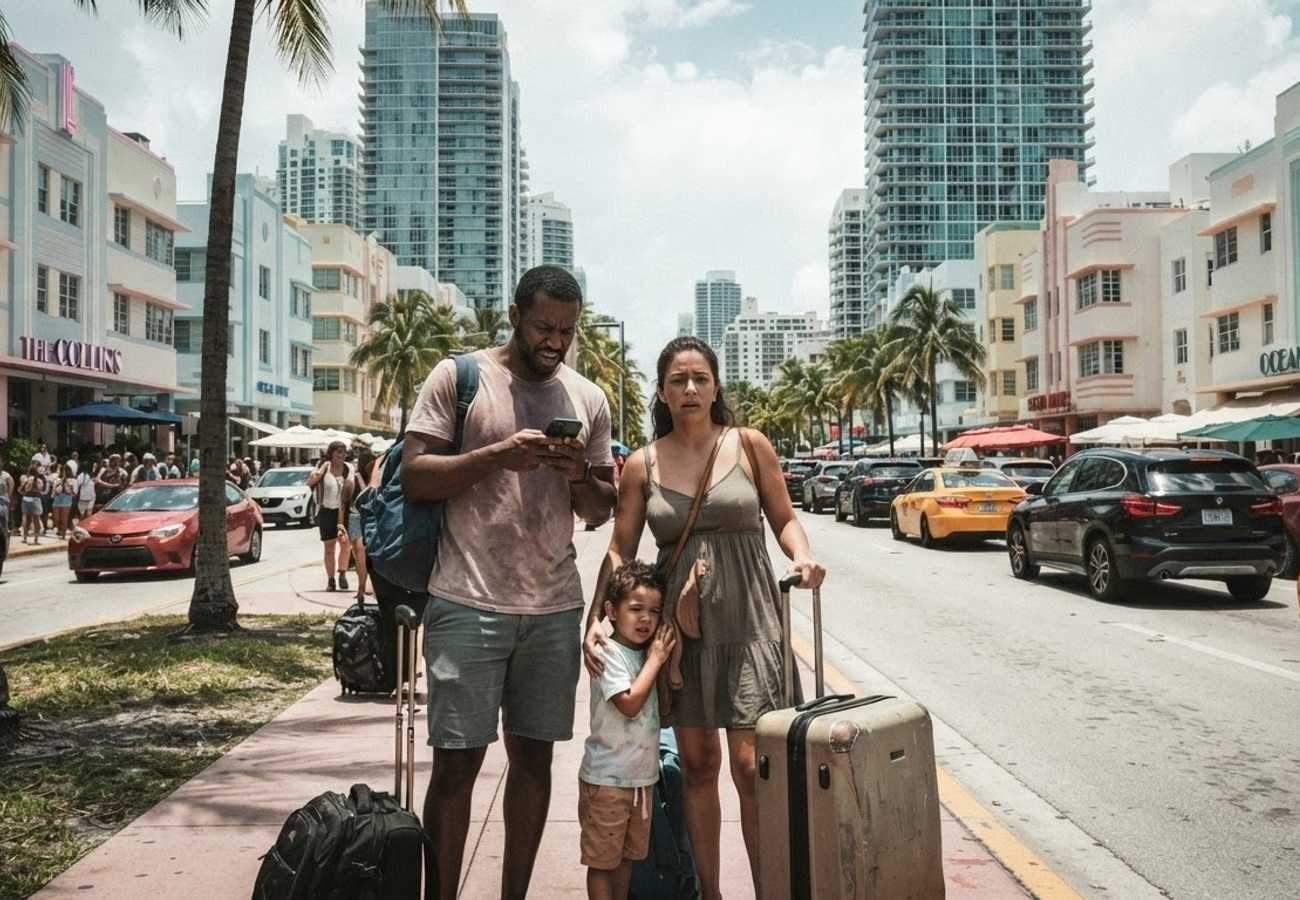
Image generated by AI
Miami remains a primary global hub for Latin American influence and luxury coastal living, though rapid expansion is straining local infrastructure.
The "Magic City" continues to evolve from a vacation destination into a complex metropolitan center. While the allure of year-round warmth and a diverse cultural fabric persists, the city is currently grappling with the side effects of its own success: skyrocketing costs and severe traffic congestion.
Urban Profile and Demographic Shifts
Miami serves as the primary gateway to the United States for Latin American migrants, a trend that accelerated significantly following the 1959 political shift in Cuba. This historical influx has created a unique socio-economic environment characterized by a blend of tradition and innovation.
Market data and census figures highlight the following city metrics:
- Population: Approximately 487,000 residents (2024 U.S. Census Bureau estimates).
- Growth Rate: The population grew by 3.7% between 2020 and 2025.
- Tourism Volume: 28.2 million visitors arrived in Greater Miami and Miami Beach in 2024.
- Climate Profile: Average summer temperatures hover around 84.3°F, with winter averages at 72.1°F.
Residential Advantages and Infrastructure Challenges
Analysis of resident feedback and urban trends reveals a stark contrast between the city's lifestyle appeal and its operational frictions.
Primary Drivers of Livability
- Cultural Density: The city functions as a melting pot, offering a high concentration of Caribbean and Latin American influences in food, music, and social structures.
- High-Value Neighborhoods: Specific districts offer tailored urban experiences:
- Edgewater: Luxury residential growth along Biscayne Bay.
- Miami Design District: A hub for modern architecture and abstract art.
- Wynwood: A center for global street art and creative industries.
- Recreational Access: Proximity to world-class beaches and botanical sites like The Kampong National Tropical Botanical Garden.
Systemic Friction Points
- Transportation Deficits: Public transit investment has not kept pace with population growth. A car remains a necessity for most residents.
- Overcrowding: The surge in both permanent residents and seasonal tourists has led to significant congestion. This peaked in March 2024, prompting the City of Miami Beach to implement restrictive measures against Spring Break crowds.
- Economic Pressure: Housing and service costs have risen sharply, while local wages in several sectors have failed to scale proportionally.
Financial Requirements for Residency
The cost of living in Miami has reached a threshold where a high baseline income is required to maintain a standard middle-class lifestyle.
| Expense Category | Requirement / Detail |
|---|---|
| Recommended Single Salary | $117,000 (Pre-tax) |
| Coverage | Housing, utilities, groceries, and general goods |
| Primary Cost Drivers | Luxury rentals, entertainment, and transportation |
Why This Matters: Industry Implication
The "Miami Migration" is no longer just about retirees or vacationers; it is a strategic shift of capital and talent. However, the data indicates a widening gap between the city's "glamour" and its "functionality."
When a city grows by 3.7% in a five-year window while simultaneously hosting nearly 30 million tourists, the infrastructure reaches a breaking point. The necessity of a $117,000 salary for a single adult suggests that Miami is transitioning into an exclusive enclave. For the aviation and travel industry, this means a shift toward high-net-worth travelers and a potential decrease in mid-market residential stability. The "breakup" with Spring Break is a telling indicator that the city is now prioritizing high-value, sustainable tourism over high-volume, low-spend crowds.
Forward Outlook
Expect further aggressive zoning changes in neighborhoods like Edgewater to accommodate luxury density. We anticipate a continued push for private-sector transit solutions as the public system remains insufficient. Residents should prepare for continued inflationary pressure on rentals as the city continues to be a top destination for domestic migration.
Miami is a city of high rewards and high costs, where the quality of life is directly tied to one's ability to navigate its economic barriers.
Related Travel Guides
Disclaimer
This article is for informational and educational purposes only. It does not constitute legal, financial, or professional advice. While we strive to provide accurate and up-to-date information, travel policies, regulations, and conditions change rapidly. Always verify information with official sources before making travel decisions. Nomad Lawyer makes no representations about the accuracy, reliability, completeness, or suitability of the information provided. Readers should consult qualified professionals for advice specific to their circumstances. The views expressed in this article are those of the author and do not necessarily reflect the views of Nomad Lawyer.
Preeti Gunjan
Contributor & Community Manager
A passionate traveller and community builder. Preeti helps grow the Nomad Lawyer community, fostering engagement and bringing the reader experience to life.
Learn more about our team →