
Dubai Travel Safety Guide 2026: Navigating Regional Tensions, Visa Updates and Extreme Heat
A comprehensive analysis of Dubai's 2026 travel landscape, covering updated UAE visa frameworks, geopolitical security advisories, and critical climate safety protocols for international visitors.

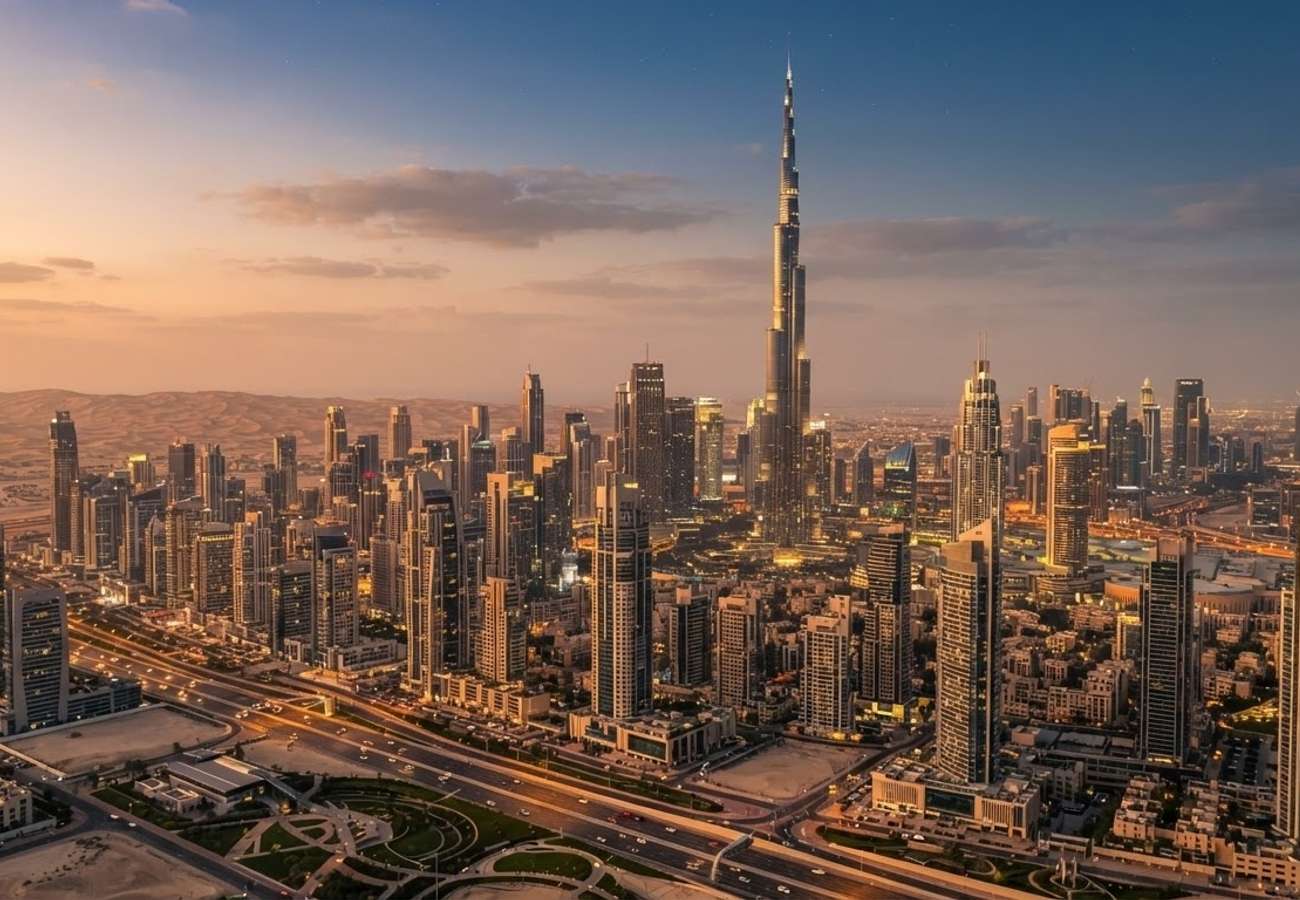
Image generated by AI
The United States currently categorizes the UAE at a “reconsider travel” level due to regional volatility, yet Dubai maintains remarkably low street crime rates and continues to operate as a global tourism powerhouse.
The 2026 Security Shift
As we enter the final quarter of 2026, the paradox of visiting Dubai is evident. On one hand, the city remains a bastion of stability with low rates of theft and violent crime. On the other, the broader geopolitical climate has forced major governments to elevate their warnings. The U.S. government's "reconsider travel" status is primarily a response to the potential for armed conflict spillover and terrorism risks within the wider region, rather than a reflection of daily life inside the city.
For the visitor, the real impact is not found in street-level danger—which remains uncommon by global big-city standards—but in the logistical volatility of the region. Airspace disruptions and sudden shifts in security protocols at transport hubs are the primary risks. Travelers are now encouraged to maintain flexible bookings and monitor official alerts from their respective embassies to navigate these unpredictable regional dynamics.
Evolving UAE Visa Frameworks
The UAE has aggressively expanded its accessibility in 2026 to bolster its tourism economy. In June 2026, federal immigration authorities expanded entry visa eligibility to a wider range of nationalities, simplifying the path for short-term visits.
Current entry options are stratified by duration and purpose:
- Visa-Free/On Arrival: GCC citizens enjoy seamless entry, while numerous other nationalities receive 30 or 90-day visas upon landing.
- Electronic Tourist Visas: Required for those not eligible for on-arrival access; these are typically processed via airlines, approved hotels, or government portals.
- Long-Term Stability: The five-year multi-entry tourist visa remains a key tool for frequent visitors, allowing stays of up to 90 days per visit (extendable once).
- Specialized Permits: Transit visas (48 or 96 hours) must be pre-arranged through carriers.
Passports must maintain a minimum of six months' validity. While pandemic-era mandates have vanished, the federal government continues to update health and transit conditions through official airline channels.
Climate Risks and Environmental Adaptation
The most immediate physical threat to travelers in 2026 is not geopolitical, but meteorological. From June through September, temperatures frequently exceed 40 degrees Celsius, creating a high risk of heatstroke and dehydration for those not acclimated to the Gulf humidity.
The environmental reality of Dubai requires a complete shift in itinerary planning. The city's infrastructure is designed for this; indoor attractions, massive air-conditioned malls, and climate-controlled transport are the primary modes of existence during the summer. Outdoor excursions, including desert safaris and beach activities, are strictly recommended for the window between November and March.
Cultural Governance and Legal Boundaries
Dubai offers a cosmopolitan facade, but the legal framework remains rooted in traditional values and strict state control. The risk for the modern traveler often lies in a misunderstanding of local morality laws.
Critical Legal Boundaries:
- Zero Tolerance: Narcotics are strictly prohibited with severe penalties.
- Public Conduct: Public intoxication and aggressive behavior can lead to immediate arrest or deportation.
- Digital Footprint: UAE cybercrime laws are broad. Critical or offensive comments posted on social media from within the country can fall under local jurisdiction.
- Privacy and Security: Photography of government buildings and critical infrastructure is restricted, and drone usage is tightly regulated.
Visitor Insider Tips
To navigate Dubai with the expertise of a local, avoid the common tourist pitfalls:
- The "Summer Pivot": If visiting between June and September, schedule all outdoor movement for before 9:00 AM or after 6:00 PM. Use the "Dubai Metro" to move between districts to avoid prolonged exposure to heat.
- Dress Code Nuance: While beach clubs and hotels are relaxed, wear modest clothing (covering shoulders and knees) when visiting government offices, traditional souks, or religious sites to avoid friction with authorities.
- Medicine Verification: If traveling with prescription medication, carry a legalized doctor's note. Some common Western medications are classified as controlled substances in the UAE.
- Off-Peak Window: For the best balance of weather and lower hotel pricing, target the "shoulder seasons" of October or April.
Tourism Outlook
Despite regional tensions, Dubai is doubling down on its role as a global crossroads. The expansion of visa eligibility in mid-2026 suggests a long-term strategy to diversify its visitor base and reduce reliance on a few key markets. The city's ability to maintain internal safety and high-end infrastructure amidst external volatility reinforces its position as a resilient hub, provided visitors remain culturally aware and climatically prepared.
Dubai remains a destination of superlatives, provided you respect the laws of the land and the intensity of the sun.
Related Travel Guides
Disclaimer
This article is for informational and educational purposes only. It does not constitute legal, financial, or professional advice. While we strive to provide accurate and up-to-date information, travel policies, regulations, and conditions change rapidly. Always verify information with official sources before making travel decisions. Nomad Lawyer makes no representations about the accuracy, reliability, completeness, or suitability of the information provided. Readers should consult qualified professionals for advice specific to their circumstances. The views expressed in this article are those of the author and do not necessarily reflect the views of Nomad Lawyer.
Preeti Gunjan
Contributor & Community Manager
A passionate traveller and community builder. Preeti helps grow the Nomad Lawyer community, fostering engagement and bringing the reader experience to life.
Learn more about our team →