
Illinois Winding Lagoon: Chicago's Hidden Suburban Paddling Paradise in 2026
A sprawling forest preserve north of Chicago offers pristine waterways for kayaking, fishing, and wildlife observation. Illinois Winding Lagoon emerges as 2026's premier suburban escape for outdoor enthusiasts seeking remote experiences near urban centers.

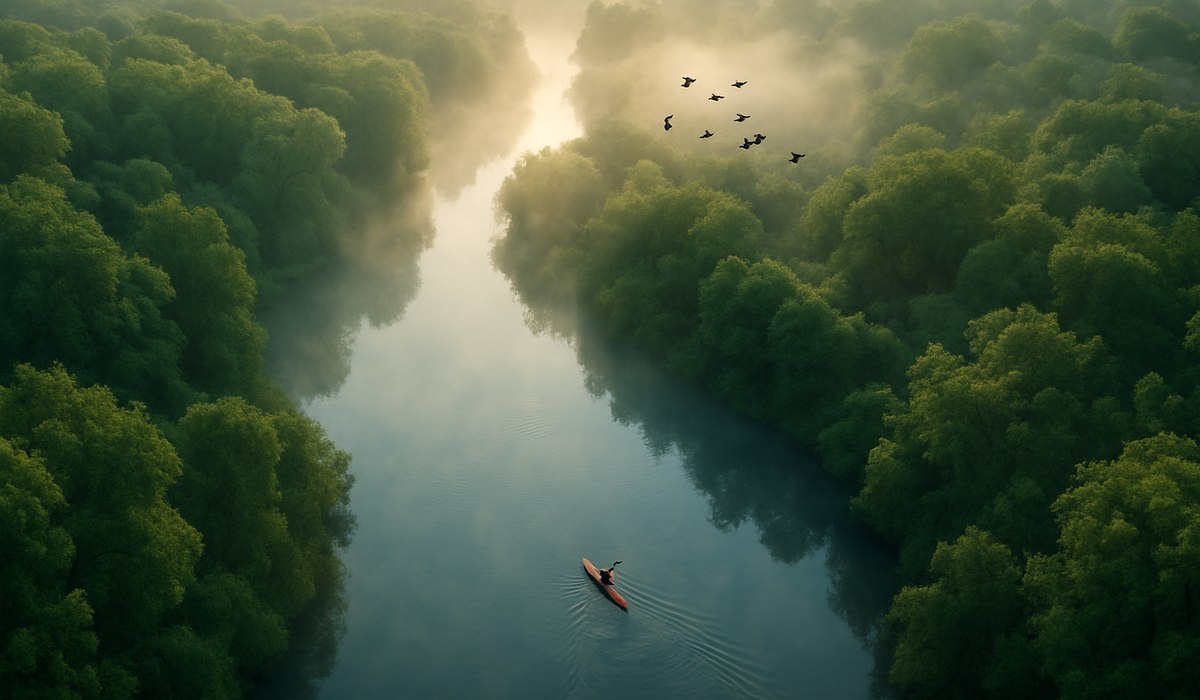
Image generated by AI
Illinois Winding Lagoon Emerges as Chicago's Premier Suburban Outdoor Destination
A sprawling Illinois Winding Lagoon forest preserve north of Chicago is capturing attention from paddlers, anglers, and birdwatchers seeking accessible wilderness experiences. The destination combines scenic waterways, diverse wildlife habitats, and recreational amenities within driving distance of metropolitan Chicago. This 2026 surge in visitation reflects growing traveler demand for suburban escape options that rival distant national parks. The preserve welcomes kayakers, fishing enthusiasts, and nature observers year-round, offering multiple entry points and seasonal opportunities. Local conservation efforts continue expanding trail networks and wildlife protection zones throughout the reserve.
Getting There: Location and Access from Chicago
Illinois Winding Lagoon sits approximately 30 miles north of downtown Chicago, accessible via Interstate 94 and regional highways within 45-60 minutes of the city center. The forest preserve operates multiple parking areas with direct water access, paddle launch facilities, and visitor centers staffed with knowledgeable naturalists. Public transportation options include commuter rail connections to nearby stations, followed by local shuttle services during peak seasons. Seasonal access varies slightly, with spring through fall offering optimal conditions for paddling and wildlife observation. Winter recreation remains viable through cross-country skiing and bird migration monitoring programs designed for serious outdoor enthusiasts seeking solitude.
For detailed directions and current access information, consult the Cook County Forest Preserve District's official website.
Water Activities: Paddling and Fishing Guide
Kayaking represents the primary attraction at Illinois Winding Lagoon, with rental concessions offering stable sit-on-top models suitable for beginners and performance kayaks for experienced paddlers. The lagoon's sheltered coves and shallow backwater channels create ideal conditions for leisurely exploration without challenging whitewater obstacles. Fishing access extends to designated zones where anglers pursue largemouth bass, bluegill, and catfish populations. Catch-and-release practices are encouraged to maintain ecological balance within native fish communities.
Paddling distances range from 30-minute introductory loops to full-day expeditions navigating interconnected waterways. Safety equipment including personal flotation devices are mandatory and provided by rental operators. Launch times peak during weekend mornings from April through October, with mid-week visits offering quieter paddling experiences. Professional guides offer themed excursions focusing on wildlife photography, ecology education, and paddling technique instruction. Visit the Illinois Department of Natural Resources for comprehensive fishing regulations and paddling safety guidelines.
Wildlife Spotting and Birdwatching Highlights
Illinois Winding Lagoon hosts exceptional birdwatching opportunities, particularly during spring migration season when over 200 species traverse regional flyways. Great blue herons, red-tailed hawks, and wood ducks frequent shallow water margins and wooded shorelines. Migrant warblers occupy canopy layers from May through early June, attracting dedicated birders with binoculars and field guides. Mammal sightings include white-tailed deer, muskrats, and occasional coyote activity during dawn and dusk hours.
Photography enthusiasts find abundant subjects along designated observation blinds positioned at strategic vantage points. Seasonal variation creates distinct ecological niches—spring breeding displays, summer nesting activity, fall migration concentrations, and winter waterfowl aggregations. Experienced naturalists recommend dawn visits for optimal wildlife activity and photography light conditions. Quiet paddling techniques minimize disturbance to sensitive nesting birds and territorial species. The Audubon Society maintains detailed species documentation and seasonal field reports specific to this preserve.
Trails and Land-Based Exploration
Beyond water activities, Illinois Winding Lagoon encompasses over 15 miles of hiking and walking trails traversing diverse habitat types. Oak-hickory forest stands transition into wetland margins, savanna restoration zones, and restored prairie patches. Trail difficulty ranges from wheelchair-accessible boardwalks to rugged terrain requiring proper footwear and navigation skills. Interpretive signage explains ecological succession, invasive species management, and native plant communities throughout the preserve.
Mountain biking paths accommodate riders seeking moderate technical challenges on maintained single-track sections. Forest composition supports seasonal wildflower displays—spring ephemeral blooms followed by late-summer coneflower and ironweed dominance. Winter hiking reveals animal tracks and scat patterns, offering naturalists opportunities for wildlife sign interpretation. Accessibility improvements include paved pathway extensions connecting parking areas to major viewpoints and fishing platforms. Contact local visitor centers for current trail conditions and seasonal closure notices affecting specific preserve sections.
Seasonal Considerations and Visitor Planning
Peak visitation occurs May through September when water temperatures facilitate comfortable kayaking and wildlife activity peaks. Spring migration season attracts birdwatchers during April and May windows. Summer temperatures can exceed 85°F, necessitating sun protection and hydration for extended paddling excursions. Fall colors peak in mid-October, providing scenic backdrop for photography and leisurely nature walks. Winter access remains open with reduced service hours and special regulations protecting hibernating mammals and roosting waterfowl.
Advance trip planning should account for seasonal permit requirements, parking reservation systems during peak weekends, and rental availability confirmation. Group reservations for educational programs require 2-3 week advance notice. Private guide services offering specialized expertise in ecology, photography, or paddling technique command premium rates reflecting professional credentials and equipment. Weather monitoring proves essential for water-based activities, with wind advisories potentially restricting small watercraft operations on exposed lagoon sections.
| Category | Details |
|---|---|
| Distance from Chicago | 30 miles north; 45-60 minute drive via I-94 |
| Primary Water Body | Illinois Winding Lagoon (sheltered coves and backwater channels) |
| Kayak Rental Options | Sit-on-top models and performance kayaks; daily and seasonal rates available |
| Fish Species | Largemouth bass, bluegill, catfish (catch-and-release encouraged) |
| Bird Species | 200+ species; great blue herons, red-tailed hawks, wood ducks, migrant warblers |
| Trail Network | 15+ miles; accessibility options from boardwalks to technical terrain |
| Best Visiting Season | May-September (peak); April-May (spring migration); October (fall colors) |
| Amenities | Parking, visitor centers, rental concessions, guided programs, accessibility features |
| Permit Requirements | Seasonal variation; group reservations require advance notice |
| Winter Recreation | Cross-country skiing, bird observation; reduced service hours |
What This Means for Travelers
Illinois Winding Lagoon represents a significant opportunity for Chicago-area visitors and regional travelers seeking authentic outdoor experiences without extensive travel time or expense. Consider these actionable planning strategies:
-
Book water activities in advance during peak seasons (May-September), as kayak rentals reach capacity on pleasant weekends. Weekday visits offer superior solitude and wildlife viewing conditions with minimal crowds.
-
Align trips with seasonal highlights—spring migration peaks in April-May, summer offers consistent warm-weather conditions, fall delivers exceptional photography opportunities, and winter provides specialized experiences for dedicated naturalists.
-
Combine land and water activities within single visit itineraries. Structure mornings around paddling excursions while reserving afternoons for trail exploration and wildlife photography.
-
Invest in quality binoculars and field guides to maximize birdwatching returns, particularly during migration seasons when species diversity exceeds 200 documented taxa.
-
Verify current conditions with visitor centers regarding trail maintenance, water levels, rental availability, and special programming before finalizing travel dates.
Frequently Asked Questions
**What is the best time to visit Illinois Winding Lagoon for kayaking
Disclaimer
This article is for informational and educational purposes only. It does not constitute legal, financial, or professional advice. While we strive to provide accurate and up-to-date information, travel policies, regulations, and conditions change rapidly. Always verify information with official sources before making travel decisions. Nomad Lawyer makes no representations about the accuracy, reliability, completeness, or suitability of the information provided. Readers should consult qualified professionals for advice specific to their circumstances. The views expressed in this article are those of the author and do not necessarily reflect the views of Nomad Lawyer.
Preeti Gunjan
Contributor & Community Manager
A passionate traveller and community builder. Preeti helps grow the Nomad Lawyer community, fostering engagement and bringing the reader experience to life.
Learn more about our team →